The Mechanics of Control Valve Magnetite Fouling
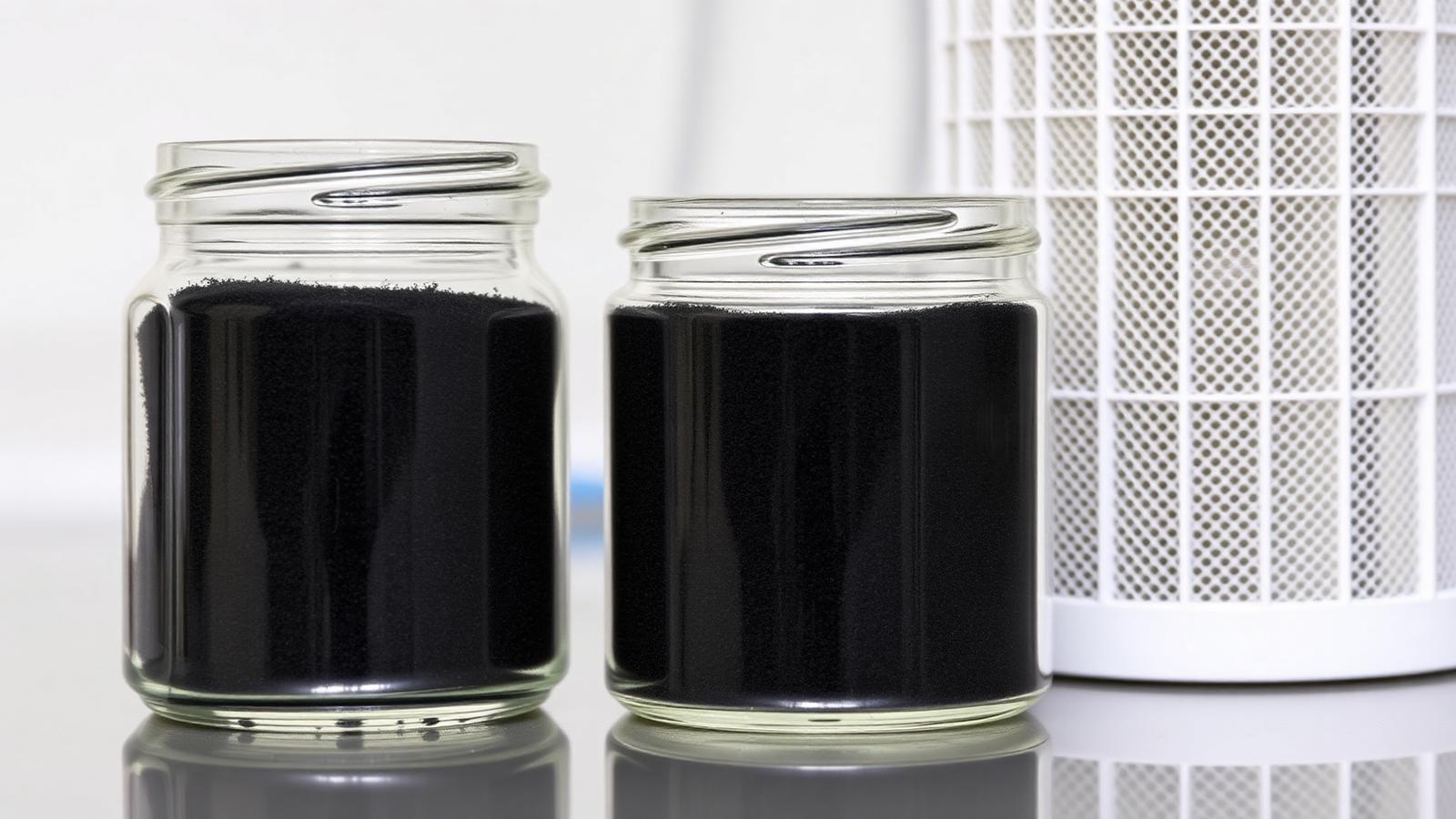
In closed-loop hydronic systems, the presence of magnetite (black iron oxide) is often an inevitable byproduct of internal corrosion, particularly where dissolved oxygen levels are not strictly managed. This fine, abrasive, and highly magnetic particulate matter tends to migrate toward areas of high turbulence and magnetic field concentration, such as the internal apertures and spindles of modulating control valves. When these particles accumulate, they increase mechanical friction, causing the actuator to work harder and eventually leading to the valve sticking or seizing entirely. This is not merely a maintenance nuisance; it results in poor climate control, inefficient energy consumption, and increased wear on the entire distribution network.
From a technical perspective, the tight tolerances found in modern high-performance control valves make them especially susceptible to even low concentrations of suspended solids. While traditional Y-strainers are capable of capturing large debris such as welding slag or scale, they are largely ineffective against the sub-micron particles that constitute magnetite sludge. As the magnetite builds up on the valve seat, it prevents a tight shut-off, leading to thermal bypass and ghost energy loading. For engineers managing UK commercial assets, understanding that ‘control valve magnetite’ is a symptom of systemic water chemistry failure is the first step toward a permanent engineering solution that aligns with BSRIA BG50 guidelines.
To fix this permanently, one must look beyond the immediate valve replacement. If the underlying iron oxide levels remain high, any new valve installed will suffer the same fate within a matter of months. A comprehensive approach involves identifying the oxygen ingress points, treating the system with the correct inhibitors, and, most crucially, installing high-velocity filtration that can handle the volume of the specific loop. We recommend that contractors evaluate the Total Suspended Solids (TSS) levels through BS 8552 sampling to establish a baseline. By quantifying the problem, you can justify the investment in higher-grade filtration equipment that safeguards the mechanical integrity of your sophisticated control hardware.
- Magnetite particles are often smaller than 10 microns, passing easily through standard 80-mesh strainers.
- Frictional drag on valve spindles increases actuator current draw, leading to premature motor failure.
- Incomplete valve closure due to debris results in significant energy wastage and poor temperature delta.
- Sticking valves often lead to 'hunting' cycles where the BMS fails to stabilise the system load.
Implementing Side Stream Filtration as a Permanent Cure
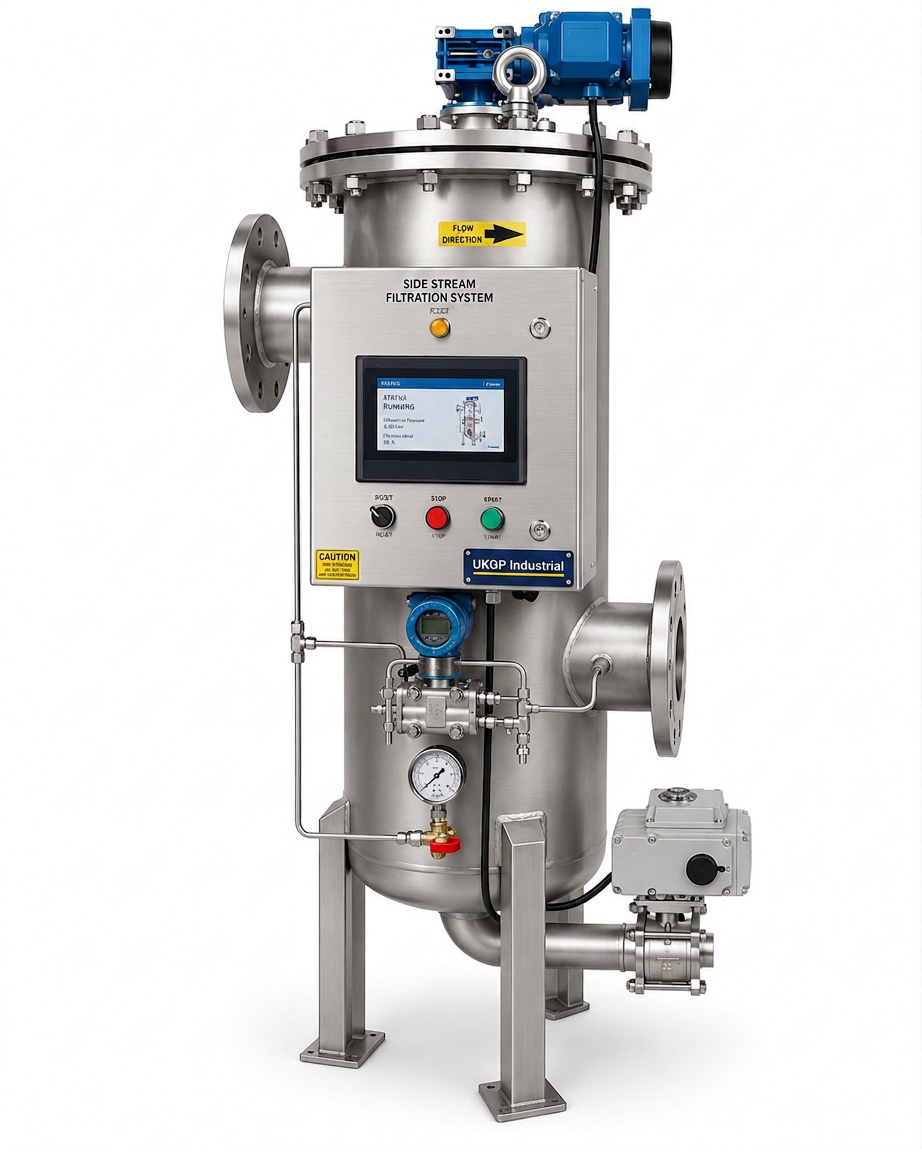
The most effective way to address control valve magnetite issues is the installation of a dedicated side stream filtration skid. Unlike full-flow filtration, which can cause significant pressure drops and require massive vessels, a side stream system continuously diverts a percentage of the circulating water through high-intensity magnetic separators and fine-mesh filters. At UKGP, we manufacture made-to-order side stream filtration skids designed for DN50 to DN100 pipework, starting from £6,800+VAT. These units are specifically engineered to polish the water by removing magnetite that would otherwise settle in low-velocity zones or clog sensitive control valves, ensuring your system remains compliant with BSRIA BG29 and BG50 standards for water quality.
Our filtration skids are provided with a 2-year warranty and are generally subject to a 6-eight week lead time, allowing for seamless integration into scheduled plant-room upgrades or remediation projects. By opting for a side stream solution, you avoid the need to down the entire system for maintenance; the filter can be serviced while the rest of the plant remains operational. This is a critical consideration for hospitals, data centres, and commercial offices where uptime is non-negotiable. The inclusion of a high-power magnetic rod within our skids ensures that even the finest black iron oxide particles are pulled out of the flow before they have a chance to settle on your valve internals.
Investing in precision-engineered filtration prevents the recurring costs associated with emergency call-outs and valve replacements. When a single large-bore control valve can cost upwards of £2,000 to replace, excluding the labour and system drain-down costs, a UKGP side stream filtration skid at £6,800+VAT offers an undeniable return on investment. It is the only reliable method to keep suspended solids below the 30mg/l threshold recommended by BSRIA. We encourage M&E contractors and procurement leads to request a bespoke quote based on their specific system volume and pipe diameters to ensure long-term protection of the building's thermal assets.
- Continuous cleaning of 5-15% of the total system volume per hour ensures gradual water polishing.
- Integrated magnetic rods capture magnetite particles that bypass traditional sand or cartridge filters.
- Made-to-order units available for DN50 to DN100 connections with typical 6-8 week lead times.
- All UKGP filtration skids come with a 2-year warranty for peace of mind in high-spec commercial plants.
Compliance with BSRIA BG50 and Water Quality Standards
Adhering to BSRIA BG50 is no longer optional for those seeking to maintain manufacturer warranties on high-efficiency boilers and heat exchangers. This guidance document explicitly details the necessity of maintaining low levels of dissolved oxygen and suspended solids to prevent the formation of magnetite. If you are experiencing control valve magnetite sticking, it is a clear indicator that your system is currently non-compliant. Implementing a rigorous water treatment regime, supported by regular BS 8552 laboratory analysis, allows for a data-driven approach to system health. Without these controls, the abrasive nature of iron oxide will eventually erode valve seats, leading to irreversible mechanical damage and leakage.
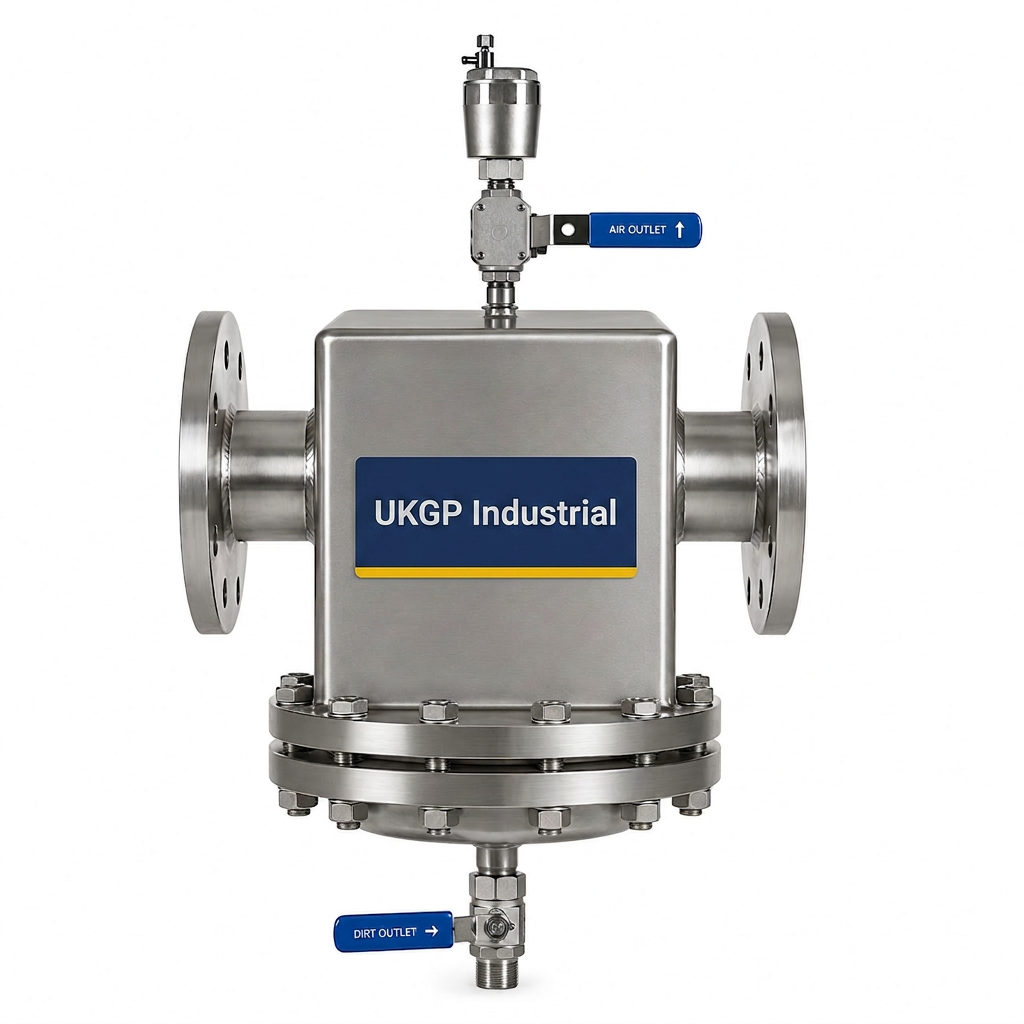
For the building services consultant, specifying the correct filtration at the design stage or during a retrofit is essential. CIBSE guidelines also highlight the importance of mechanical filtration as a supplement to chemical dosing. While chemicals like molybdates or nitrites can passivate metal surfaces to slow down corrosion, they cannot remove the existing debris already circulating in the pipes. This is where mechanical separation through our air and dirt separators or side stream skids becomes vital. By stripping out the air—the catalyst for corrosion—and the resulting dirt, you create a stable environment where control valves can modulate smoothly and accurately over their entire service life.
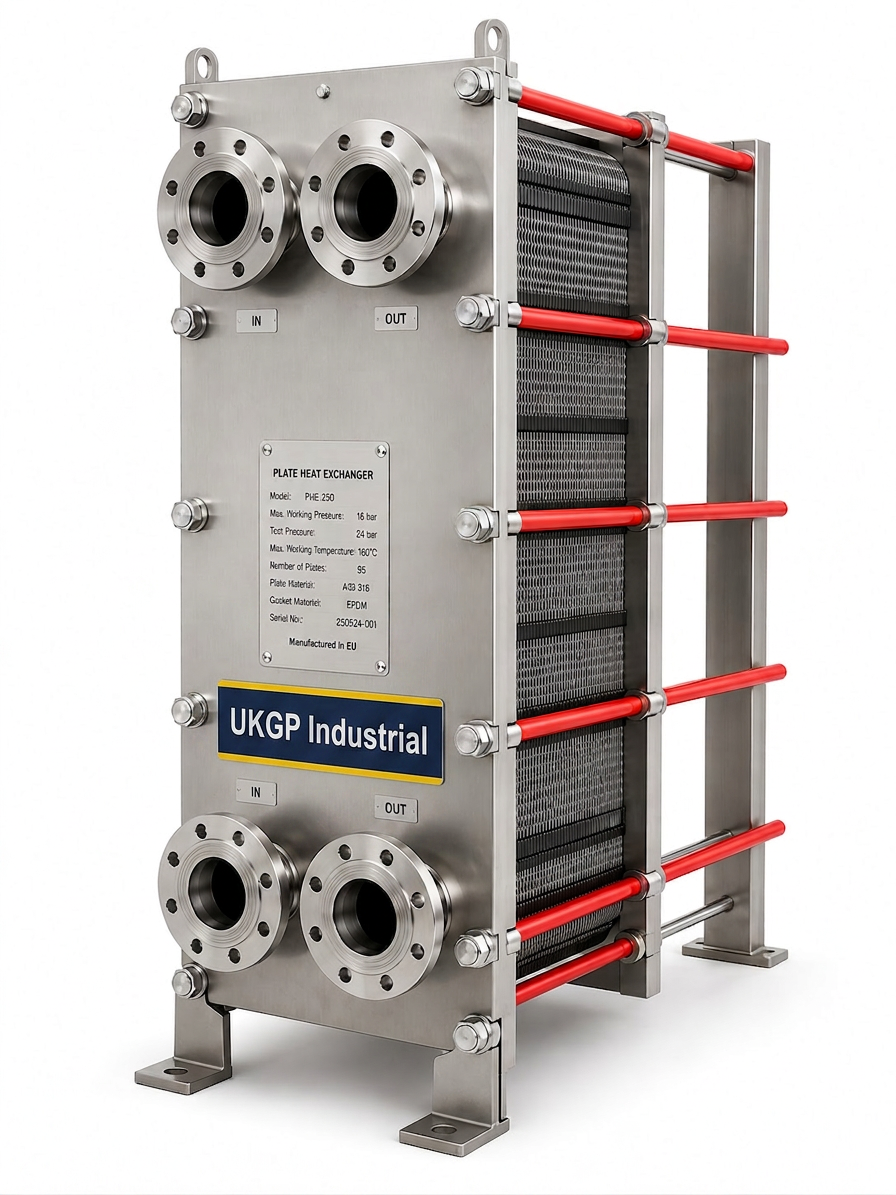
The cost of negligence in water quality management often manifests in the most critical components. When the control valve magnetite levels are left unchecked, the secondary effects include reduced heat transfer efficiency in plate heat exchangers and increased pump cavitation. By following the BSRIA BG50 framework, you not only solve the sticking valve problem but also improve the overall COP (Coefficient of Performance) of the heating or cooling system. This holistic view of plant-room health is what differentiates professional facilities management from reactive, 'break-fix' maintenance cultures that ultimately drive up the total cost of ownership for building owners.
- BSRIA BG50 provides the industry standard for monitoring and maintaining water quality in closed systems.
- Regular BS 8552 testing identifies the precise concentration of iron and suspended solids in the loop.
- Proper chemical dosing must be paired with mechanical filtration to remove existing magnetite sludge.
- Failure to maintain water quality can void warranties on boilers, chillers, and precision control valves.
The Role of Chemical Dosing in Preventing Metal Oxide Build-up
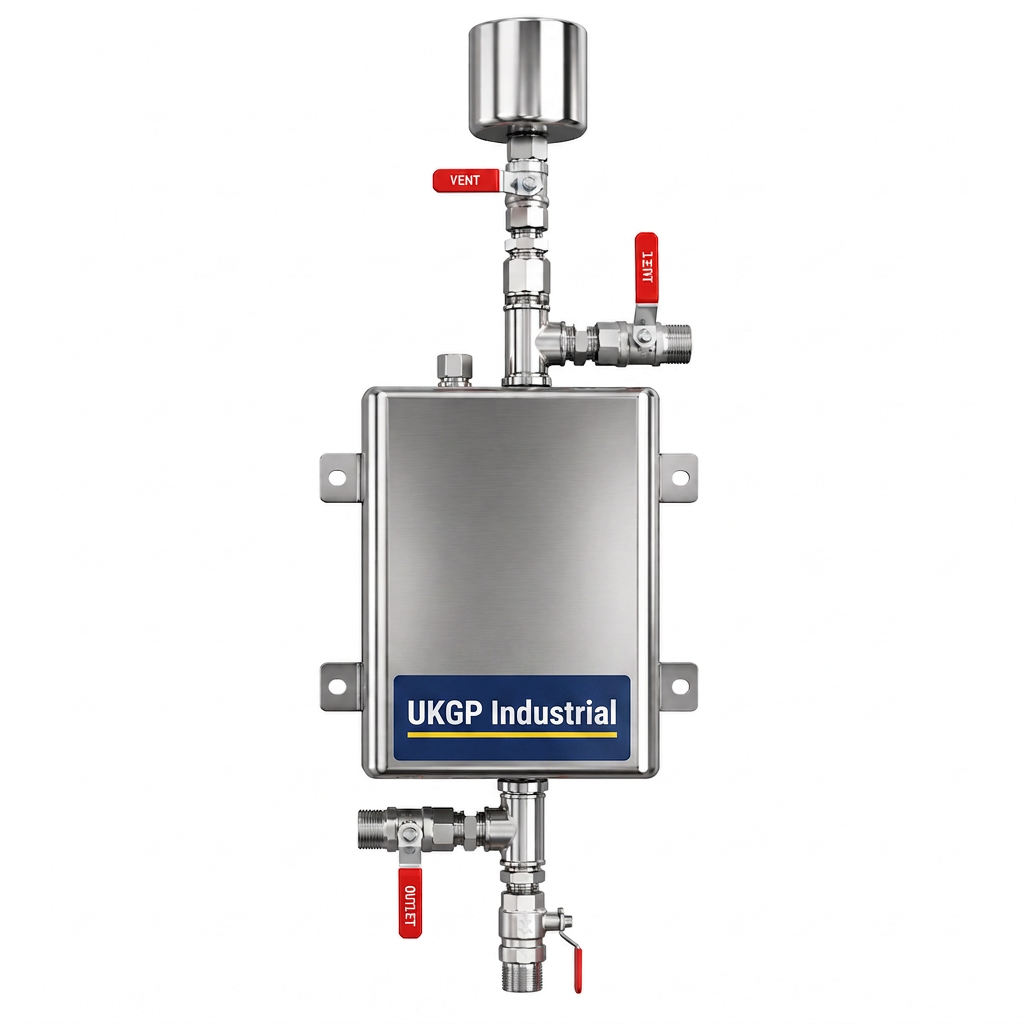
Preventing the formation of magnetite is just as important as removing it. A well-specified chemical dosing programme creates a protective film on the internal surfaces of steel pipework, preventing the oxidation process that creates black iron oxide. To facilitate this, a high-quality stainless steel dosing pot is required to introduce inhibitors safely and accurately into the system. Without the right levels of inhibitor, the control valve magnetite issues will rapidly return even after a system flush. It is essential that engineers check inhibitor levels at least quarterly and replenish them as necessary to maintain the protective barrier against oxygen-induced corrosion.
In many older UK commercial buildings, small leaks often lead to excessive 'make-up' water entering the system. This fresh water brings with it a fresh supply of oxygen, which fuels the corrosion cycle and produces more magnetite. By using an automatic dosing system or a manual dosing pot from UKGP, you can ensure that make-up water is properly treated before it can do damage to the control valves. Our dosing pots are built to endure the rigours of commercial plant rooms, providing a robust point of entry for treatment chemicals. We recommend integrating these as part of a total water treatment strategy alongside our side stream filtration units.
When dealing with a system that is already heavily fouled, a more aggressive 'clean and flush' may be required before settling into a maintenance dosing regime. During this phase, control valves should be fully opened or bypassed to prevent loosened magnetite from lodging in the orifices. Once the system is chemically cleaned and the magnetite is suspended, the side stream filter can do its job of removing the particles from circulation. This coordinated approach ensures that the system is returned to a baseline of health, protecting newly installed valves and ensuring the building's energy targets are met through precise thermal control.
- Chemical inhibitors create a molecular barrier on ferrous surfaces to stop oxidation.
- Dosing pots allow for the controlled introduction of biocides and inhibitors without system shutdown.
- High make-up water rates are a leading cause of inhibitor dilution and subsequent magnetite formation.
- Regular chemical analysis ensures that the system remains in a passive, non-corrosive state.
Diagnostic Steps for Engineers and Facility Managers
If you suspect that control valve magnetite is affecting your plant, the first step is a physical audit. Look for signs of sluggish response times in your BMS logs; if a valve takes longer than usual to reach its setpoint or if the actuator is making a grinding noise, debris is likely present. A surface temperature scan of the valve body compared to the pipework can also indicate whether the valve is failing to shut off fully due to magnetite buildup on the seat. These early warning signs are critical for preventing a total system failure and should be included in any routine monthly maintenance checklist for plant-room engineers.
The next step is to perform a water quality test specifically looking for Total Iron and Suspended Solids. If the iron level exceeds 5mg/l, the risk to your control valves is high. At this point, simply replacing the valve is a waste of capital. Instead, a quote should be sought for a side stream filtration system to remediate the water. UKGP provides technical support to help you determine the correct size of filtration skid for your pipework, from DN50 up to DN100. Our units are made-to-order in the UK, ensuring they fit the specific space constraints and performance requirements of your Surrey or London-based plant room.
Finally, check the condition of your air and dirt separators. Air is the precursor to magnetite; if your air separators are blocked or incorrectly sized, oxygen will remain in the system, and corrosion will continue regardless of chemical treatment. By checking the integrity of the entire loop—from dosing to filtration to air separation—you create a 'multi-barrier' defence against magnetite. This strategic approach is what UKGP specialises in, providing the mechanical components necessary to execute a BSRIA-compliant maintenance plan that keeps control valves moving freely and heating systems running at peak efficiency for years.
- Audit BMS data for 'valve lag' or failure to reach setpoints as an early indicator of fouling.
- Use thermal imaging to detect bypass leakage in valves that should be fully closed.
- Perform BS 8552 water testing to quantify the magnetite load before specifying filtration.
- Review the sizing and location of existing air separators to ensure effective deaeration.
Long-Term Commercial Benefits of Robust Filtration
From a commercial perspective, the cost of 'control valve magnetite' is far greater than just the price of a replacement part. It includes the labour for drain-downs, the cost of treated water loss, and the significant energy penalty caused by poorly controlled thermal circuits. A system that is balanced and free of debris can operate with a much tighter Delta T, reducing pump energy and boiler cycling. By installing a UKGP side stream filtration skid for £6,800+VAT, you are protecting a system that likely cost hundreds of thousands of pounds to install. The 2-year warranty we offer gives further assurance that the filtration will provide long-term service without the need for frequent replacement.
For procurement leads and asset managers, the shift from reactive to proactive maintenance is essential for meeting ESG targets and reducing operational expenditure (OPEX). A clean system requires less chemical topping up and fewer emergency interventions, leading to a more predictable maintenance budget. Our made-to-order approach means that we can provide the exact DN50-DN100 specifications required for your project, with a typical 6-8 week lead time that allows for careful project planning. We deliver these units across the UK, ensuring that whether your plant room is in Surrey or Scotland, you have access to high-specification filtration technology that solves magnetite problems for good.
Ultimately, the goal is to create a 'self-cleaning' system that maintains its own water quality through premium mechanical separation. As the UK moves toward lower-temperature heating systems and heat pumps, the necessity for high-quality water becomes even more pronounced. Small apertures in modern heat pump exchangers are even more prone to magnetite clogging than traditional boilers, making our filtration skids an essential component for any decarbonisation project. Connect with our technical team today to discuss how we can help you specify the right solution to eliminate control valve sticking and protect your building’s HVAC future.
- Reduced OPEX through lower energy bills and fewer emergency maintenance call-outs.
- Extended life expectancy for all hydronic components, including boilers and heat pumps.
- Improved BMS accuracy and thermal comfort for building occupants through reliable valve operation.
- Compliance with modern ESG and carbon reduction goals by maintaining peak system efficiency.
Frequently asked questions
Why does magnetite specifically target control valves?
- Control valves have intricate internal parts and narrow passages where water velocity can drop or turbulence can occur. Magnetite particles, being magnetic and heavy, tend to settle in these areas or be attracted to the electromagnetic fields generated by some actuator types, leading to mechanical sticking.
How much does a side stream filtration skid cost for a DN80 system?
- At UKGP, our side stream filtration skids start from £6,800+VAT. The exact price depends on the specific connection sizes (DN50 to DN100) and any additional features required. These units are made to order with a 6-8 week lead time and include a 2-year warranty.
Can I just use a chemical flush to fix sticking control valves?
- A chemical flush will loosen magnetite, but without a high-quality filter to remove the suspended solids, they will simply recirculate and resettle in your valves. For a permanent fix, BSRIA BG50 recommends combining chemical treatment with mechanical filtration like a side stream skid.
What is the typical lead time for UKGP filtration equipment?
- Our side stream filtration units and high-capacity separators are made to order at our Surrey-based facility. We typically operate on a 6-8 week lead time from order to delivery, ensuring every unit meets our rigorous quality standards.
Is side stream filtration suitable for older heating systems?
- Yes, it is often the best solution for older systems. Retrofitting a side stream filter allows you to gradually clean up decades of accumulated magnetite without the risks of high-pressure power flushing, which can sometimes cause leaks in aged pipework.