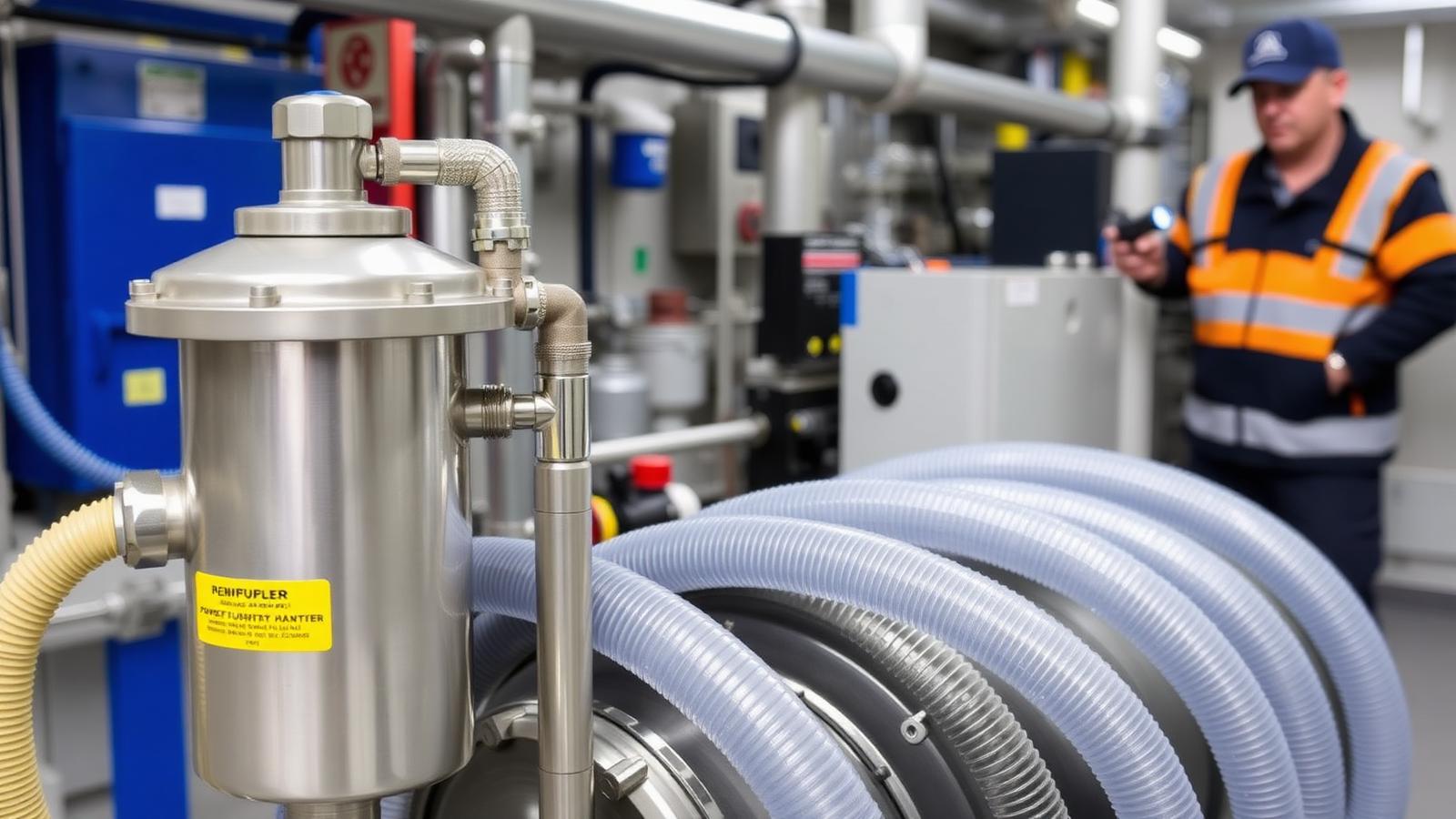
Breaking Down the Commercial Power Flush Cost Structures
In 2026, many UK building services contractors are quoting a commercial power flush cost based on the total volume of the hydronic system and the complexity of the heat emitters involved. For a small to medium-sized commercial office or a dedicated boiler room, the initial labour and chemical costs can scale quickly. You can expect to see prices starting from approximately £1,500 for a very basic circuit, but for a full-scale industrial facility or large multi-storey commercial block, these figures frequently exceed £10,000. These costs are largely driven by the intensive manual labour required to isolate zones and the volume of specialist cleaning chemicals necessitated by years of magnetite accumulation.
When assessing the commercial power flush cost, it is vital to account for the downtime associated with the procedure. Unlike continuous filtration methods, a power flush requires significant segments of the HVAC system to be offline, potentially disrupting building occupants or manufacturing processes. Professional firms typically price their services by the day or by the number of radiators and air handling units (AHUs). Because this process is a reactive measure rather than a proactive prevention strategy, many FM leads find that the cost recurrences every few years significantly outweigh the one-off capital investment of high-quality modular plant equipment designed for continuous debris removal and water treatment.
Furthermore, the disposal of contaminated flush water is becoming a significant cost driver in the UK market due to environmental regulations. Direct discharge of chemical-laden sludge into the sewerage system is strictly controlled, often requiring temporary permits or on-site treatment. If your facility manager is quoting for a power flush, ensure they have accounted for the rising costs of chemical neutralisation and safe disposal. These hidden expenses often inflate the headline commercial power flush cost beyond the initial estimate, making a compelling case for installing a permanent UKGP side stream filtration skid which removes the need for periodic aggressive chemical purging of the primary system loop.
- Base labour rates for commercial M&E engineers in 2026
- Volume-based chemical costs for scale and sludge removal
- Waste water disposal permits and environmental compliance fees
- Potential system downtime and operational disruption costs
BSRIA BG29 and BG50: Compliance vs Maintenance Costs
BSRIA BG29 (Pre-commission Cleaning of Pipework Systems) and BG50 (Water Treatment for Closed Heating and Cooling Systems) provide the gold standard for UK water quality. Adhering to these standards is not just about performance; it is a requirement for many insurance policies and manufacturer warranties on plate heat exchangers and boiler plant. If you are calculating the commercial power flush cost for a legacy system, you must ensure the process brings the water quality back into alignment with BS 8552 monitoring protocols. Failure to do so means the initial expenditure is effectively wasted, as magnetite will begin to reform almost immediately in an unprotected system environment without proper filtration.
A major challenge with relying solely on periodic power flushing is that it represents a 'point-in-time' fix. Even if the commercial power flush cost seems manageable in the short term, the absence of continuous protection allows corrosion rates to spike between service intervals. CIBSE guidelines increasingly advocate for the integration of physical separators and side stream skids to capture suspended solids as they are generated. By maintaining 24/7 water clarity, engineers can avoid the aggressive pressure stresses that a traditional power flush places on aged pipework and joints, which can lead to leaks and secondary repair costs that far exceed the price of the flush itself.
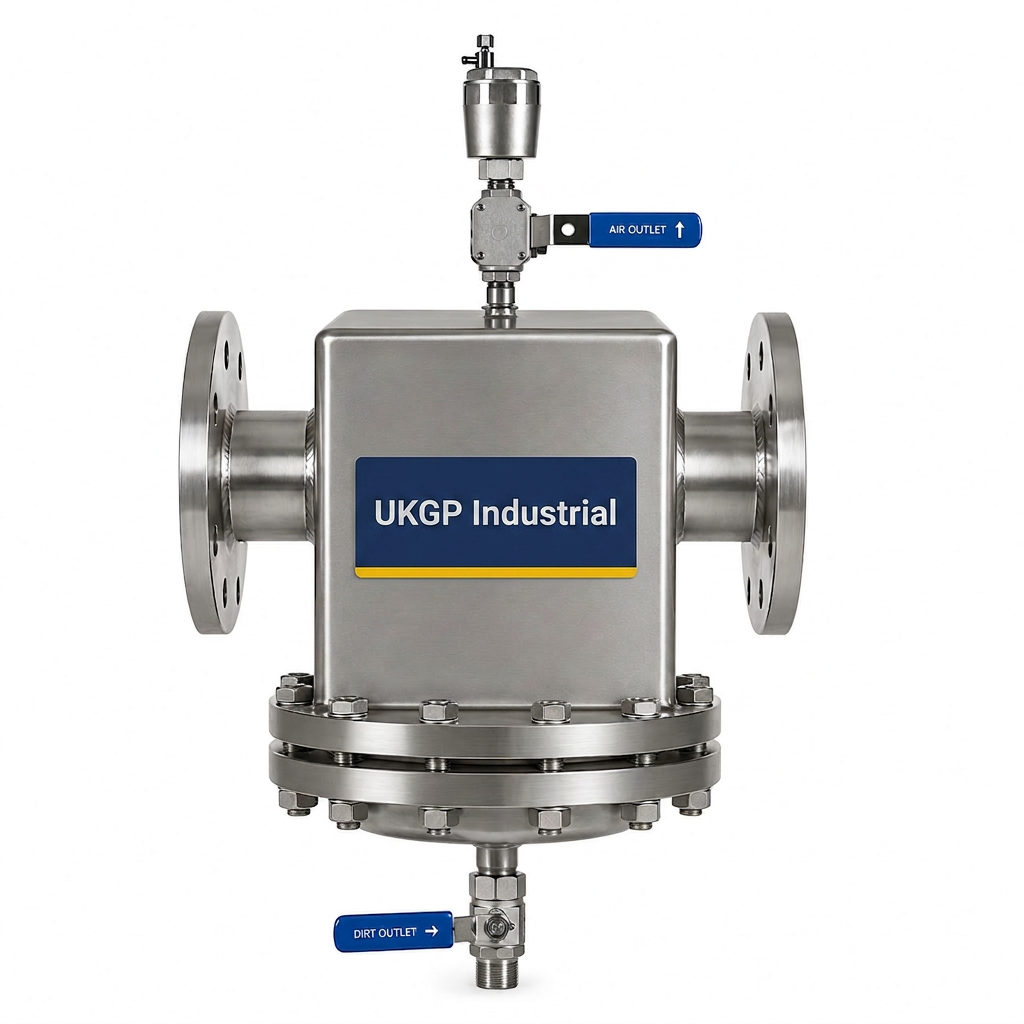
Consultants working on commercial retrofits in Surrey and London are increasingly specifying permanent filtration skids to meet BG50 advice. While the commercial power flush cost is a necessary evil for systems that have been neglected for a decade, it is rarely the most efficient use of a maintenance budget over a five-year horizon. Investing in a robust dirt and air separator alongside a side stream circuit ensures that the 'new build' water quality achieved after a flush is preserved indefinitely. This proactive approach significantly reduces the total cost of ownership by extending the life of pumps and thermostatic valves, which are often the first components to fail in a sludge-heavy hydronic circuit.
- Requirement for BSRIA BG50 compliant water quality monitoring
- Risk of pinhole leaks in aged pipes following high-pressure flushing
- Protection of high-efficiency gas boilers and heat pumps from debris
- Standardised testing methods such as BS 8552 for iron and copper levels
The Capital Alternative: UKGP Side Stream Filtration Skids
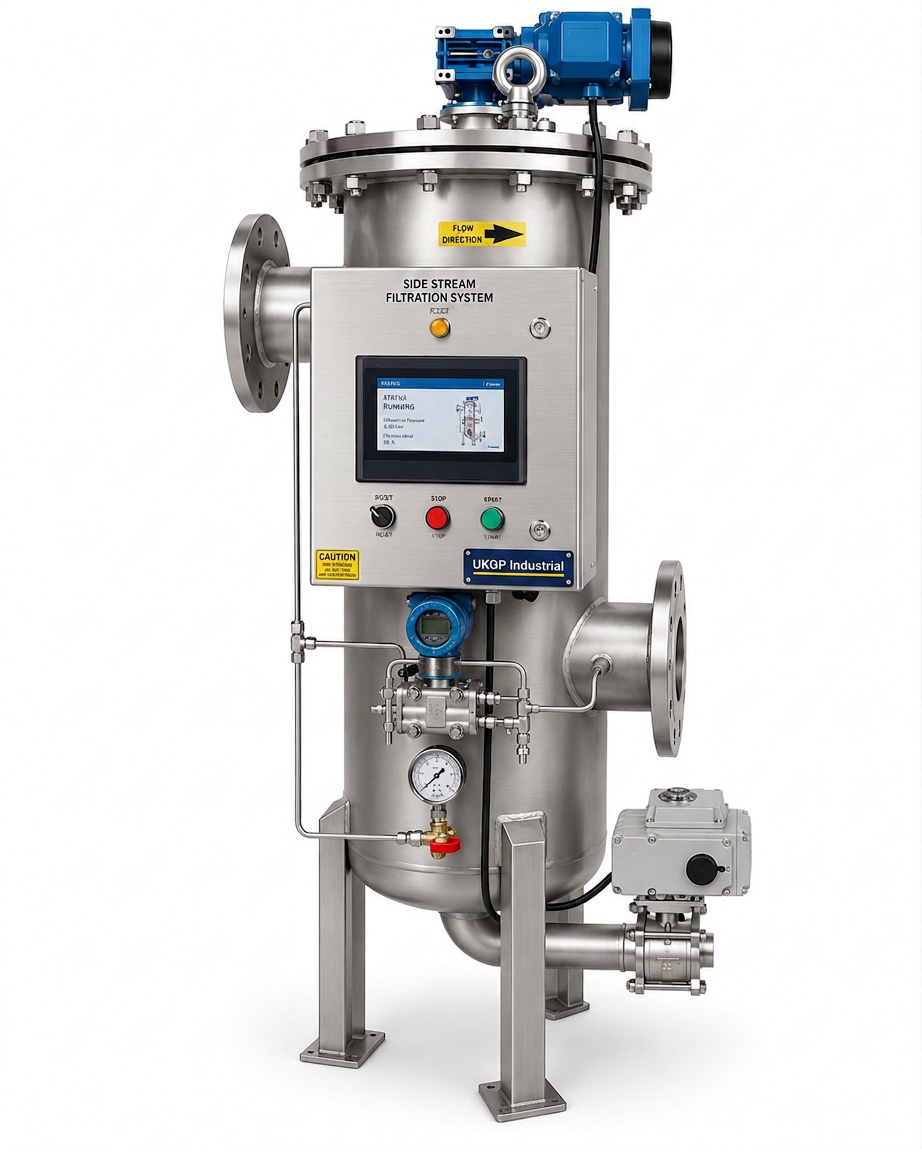
When comparing the recurring commercial power flush cost against long-term capital assets, the UKGP side stream filtration skid offers a superior return on investment. Designed and manufactured in the UK to suit specific project requirements, our skids provide continuous 24/7 filtration of the system water, removing particles down to very fine microns. Unlike a temporary power flush, our filtration skids represent a permanent solution to magnetite and scale buildup. With prices for a high-specification UKGP side stream filtration skid starting from approximately £6,800 + VAT (made to order, DN50 to DN100), the cost is often comparable to just two or three professionally executed commercial flushes on a medium-sized system.
Our skids are built to last, featuring a robust 2-year warranty and a typical lead time of just 6 to 8 weeks from order. They are engineered to facilitate easy maintenance via a stainless steel filter vessel and high-performance pumps that circulate a portion of the system water (typically 5-15%) through the filter media. For a procurement lead, the commercial power flush cost is an Opex drain, whereas the installation of a UKGP skid is a Capex improvement that adds tangible value to the building's infrastructure. These units are essential for protecting sensitive components like plate heat exchangers and internal control valves from the abrasive effects of suspended solids.
By choosing a UKGP side stream skid, you are ensuring that your system remains compliant with BSRIA BG50 without the need for periodic system shutdowns. Our DN50 to DN100 units are perfectly sized for the majority of UK commercial plant rooms, providing a compact yet powerful filtration solution. If you are currently facing a high commercial power flush cost quote for an upcoming maintenance cycle, we suggest requesting a quote for a bespoke UKGP skid instead. Not only will this improve the thermal efficiency of your plant room, but it will also provide your engineering team with the peace of mind that comes with a made-to-order, British-manufactured engineering product.
- Permanent protection starting from £6,800+VAT for DN50 units
- Made to order in the UK with a 6-8 week lead time for site delivery
- Standard 2-year warranty on all side stream filtration assemblies
- Continuous particle removal down to 5-10 microns to prevent clogging
Protecting Secondary Assets: Plate Heat Exchangers and Dosing
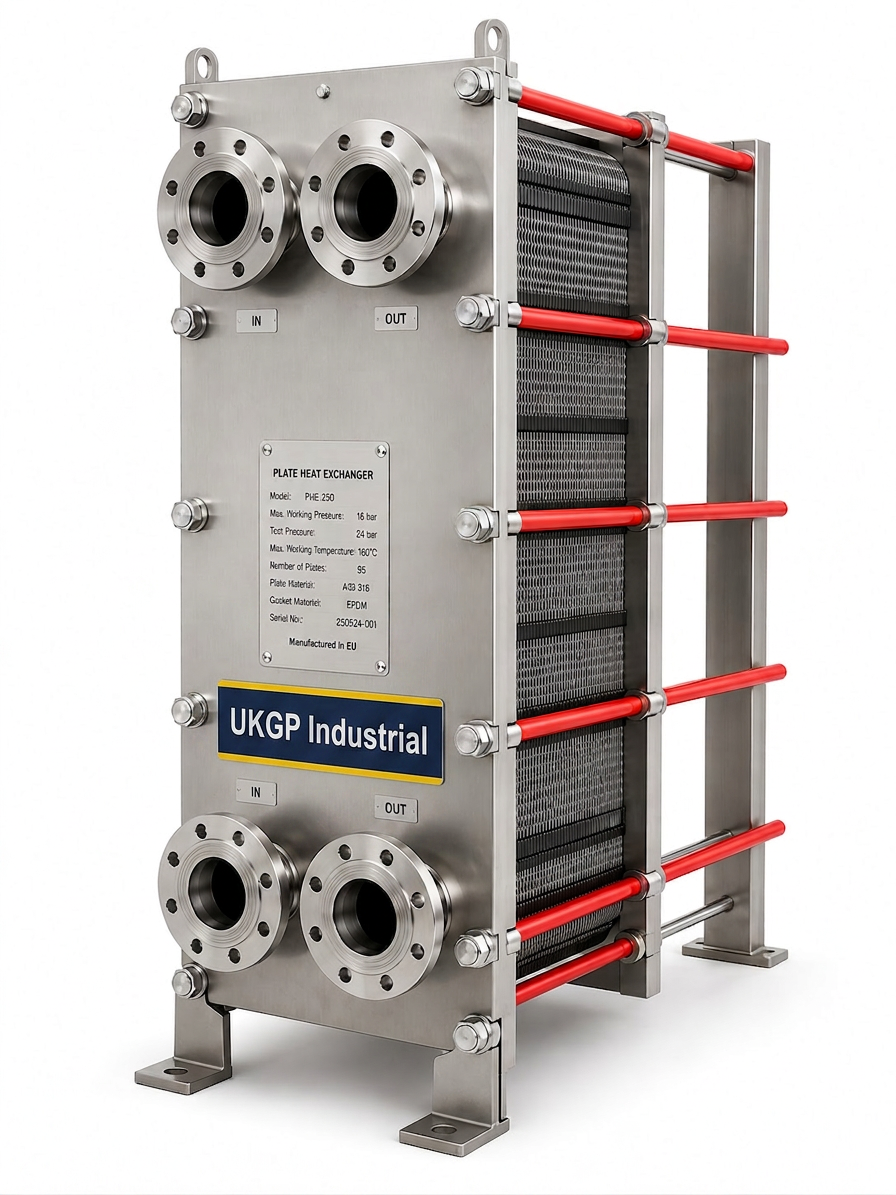
Beyond the primary pipework, the commercial power flush cost must be evaluated against the protection of high-value secondary assets. Plate heat exchangers (PHEs) are particularly vulnerable to magnetite fouling due to their narrow plate gaps and high surface area. When sludge accumulates within a PHE, the heat transfer efficiency drops dramatically, leading to higher fuel consumption and struggling to meet peak thermal loads. A power flush can sometimes dislodge large 'slugs' of debris that then become trapped in the PHE, leading to immediate failure or the need for an expensive plate strip-and-clean service, which further adds to the total maintenance bill.
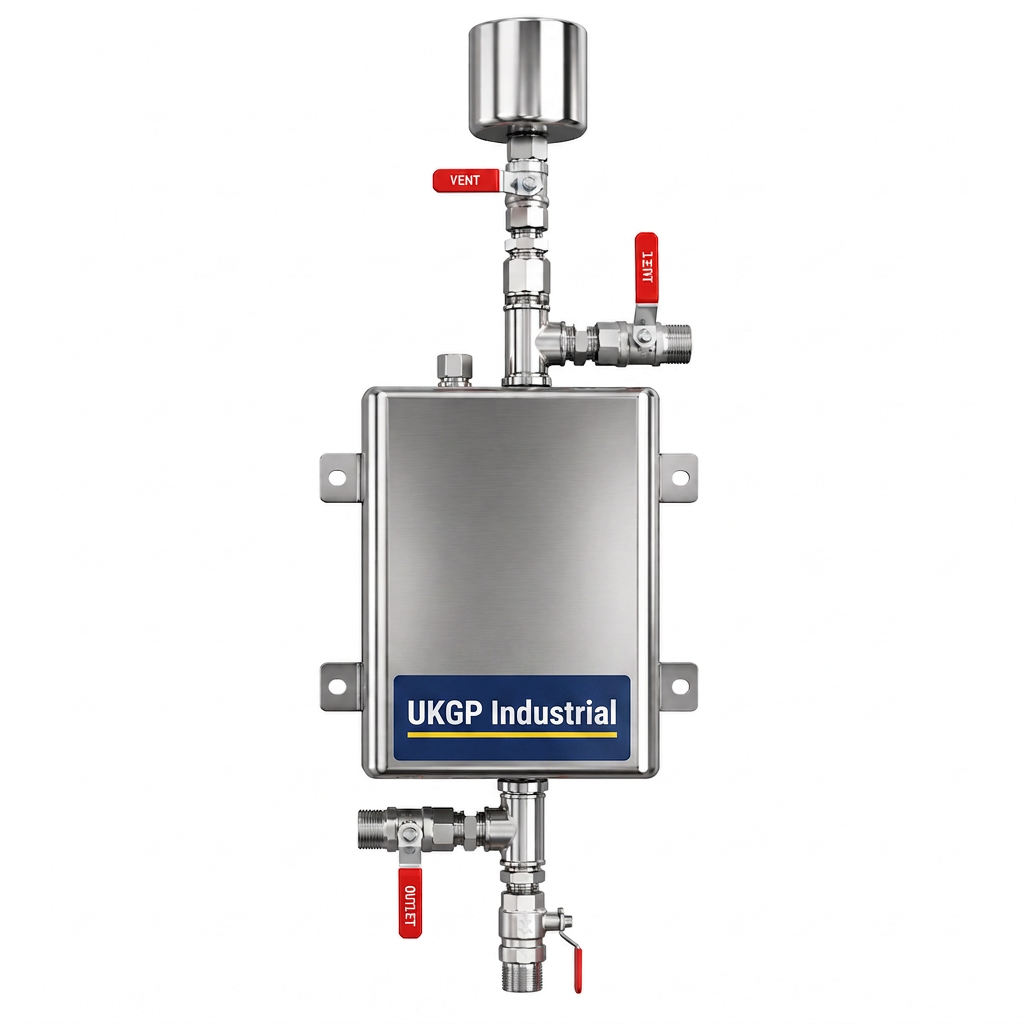
A more holistic approach involves combining a side stream filtration unit with a properly sized chemical dosing pot. The dosing pot allows for the controlled introduction of inhibitors and biocides, which are essential for preventing the initial formation of corrosion products that the power flush is intended to remove. While the commercial power flush cost might fix a symptom, the dosing pot and filtration skid address the root cause of the water quality degradation. This ensures that the water chemistry remains stable and the internal surfaces of the heating or cooling circuit remain passivated against oxygen-induced corrosion and microbial proliferation.
For M&E contractors, recommending a permanent solution rather than an annual flush is a sign of technical expertise. Providing a client with a quote for a UKGP dosing pot and a side stream skid shows a commitment to the long-term health of the building. With the rising energy costs predicted for 2026, the efficiency gains from clean water and foul-free heat exchangers can pay for the hardware in under 24 months. When you calculate the commercial power flush cost over a decade—facturing in inflation and labour shortages—the transition to permanent plant-room equipment becomes the only logical commercial decision for asset owners.
- Maintains heat transfer efficiency in plate heat exchangers
- Prevents the build-up of bio-films and microbial growth (BG50)
- Allows for easy manual dosing of corrosion inhibitors
- Reduces long-term energy waste caused by fouled heating surfaces
Energy Efficiency and ROI of Proper Water Treatment
In the current economic climate, the energy savings associated with clean system water are a major factor in justifying the commercial power flush cost. Research from various industry bodies suggests that even a small layer of magnetite on heat exchange surfaces can reduce boiler efficiency by up to 5-10%. For a typical UK commercial building with a 500kW boiler plant, that translates to thousands of pounds in wasted energy every year. If a power flush costs £4,000 but reduces your annual gas or electricity spend by £2,000, the payback period is rapid. However, the most significant ROI comes from preventing the need for the flush in the first place through constant filtration.
Facilities Managers (FMs) are often tasked with reducing carbon footprints. A fouled system requires pumps to work harder to overcome increased frictional resistance and blockages, consuming more electricity. Additionally, the boilers must run for longer periods to achieve the same temperature setpoints. By addressing the water quality issues highlighted by a high commercial power flush cost quote, you are indirectly optimizing the entire electrical and thermal profile of the plant room. In 2026, granular data on energy use is becoming the norm, and poor water quality is one of the easiest 'hidden' waste streams to eliminate.
Investing in a permanent UKGP skid allows for continuous monitoring of the system's health. By observing the rate at which the filter bags fill with magnetite, an engineer can diagnose if there is high oxygen ingress or a leak in the system long before catastrophic failure occurs. This predictive maintenance capability is entirely absent in a standard reactive power flush. When you weigh the commercial power flush cost against the data-driven insights and the extended lifespan of the $200k+ boiler plant, the logic of high-quality filtration becomes undeniable for modern UK building services.
- Energy savings of 5-10% through improved heat transfer
- Reduced carbon footprint in line with UK Net Zero 2050 goals
- Extended life expectancy for expensive circulating pumps
- Reduced frequency of emergency call-outs and reactive repairs
Standard Lead Times and Ordering for 2026 Projects
If you have determined that the commercial power flush cost for your site is prohibitively high and you wish to upgrade to a permanent filtration system, planning ahead is critical. For UKGP products, we maintain a highly efficient production schedule for our DN50 to DN100 skids. Our typical lead time for made-to-order units is 6 to 8 weeks, ensuring you can align your installation with planned summer shutdowns or winter maintenance windows. This lead time allows for the high-quality assembly of our skids, ensuring they arrive on-site fully tested and ready for immediate integration into your LTHW or chilled water circuits.
Waiting until a system fails to address water quality will always result in higher costs. Emergency chemical cleaning and urgent power flushing carry a premium, often doubling the standard commercial power flush cost due to 'out of hours' labour and express shipping of chemicals. By scheduling the installation of a UKGP side stream filtration skid well in advance, contractors can ensure they have the right equipment on-site exactly when needed. This proactive procurement strategy is particularly important given the ongoing global supply chain constraints that can occasionally affect pumps and specialty control valves used in high-end filtration assemblies.
We encourage all UK M&E contractors and procurement leads to contact our Surrey office for a detailed technical quote. Whether you need a standard DN65 unit or a bespoke DN100 skid for a large district heating network, our team can provide the technical documentation required for your submittals. Moving beyond the cycle of high commercial power flush cost expenditures allows you to offer your clients a superior, professionally engineered solution that protects their building assets for decades to come. Our 2-year warranty is a testament to the build quality and reliability we provide to the UK HVAC market.
- 6-8 week standard delivery for bespoke filtration skids
- Fully tested and pre-assembled units for rapid site installation
- Expert technical support from our Surrey-based engineering team
- Comprehensive documentation for BSRIA and CIBSE compliance folders
Frequently asked questions
What is the average commercial power flush cost in the UK for 2026?
- The cost varies significantly based on system size, but typically ranges from £1,500 for small systems to over £10,000 for large industrial complexes, excluding waste disposal.
Is a power flush better than a side stream filtration skid?
- A power flush is a reactive, temporary cleaning measure. A side stream filtration skid (from £6,800+VAT) is a permanent solution that provides continuous 24/7 protection and BSRIA BG50 compliance.
What are the lead times for a UKGP side stream filtration skid?
- Our made-to-order filtration skids, covering DN50 to DN100 sizes, typically have a lead time of 6 to 8 weeks for manufacture and delivery within the UK.
How does water quality affect my energy bills?
- Magnetite and scale buildup can reduce heat transfer efficiency in boilers and heat exchangers by up to 10%, leading to significantly higher fuel and electricity costs if not addressed.
What warranty comes with UKGP filtration products?
- All of our side stream filtration skids and plant-room equipment come with a robust 2-year warranty, reflecting our confidence in British-made engineering quality.