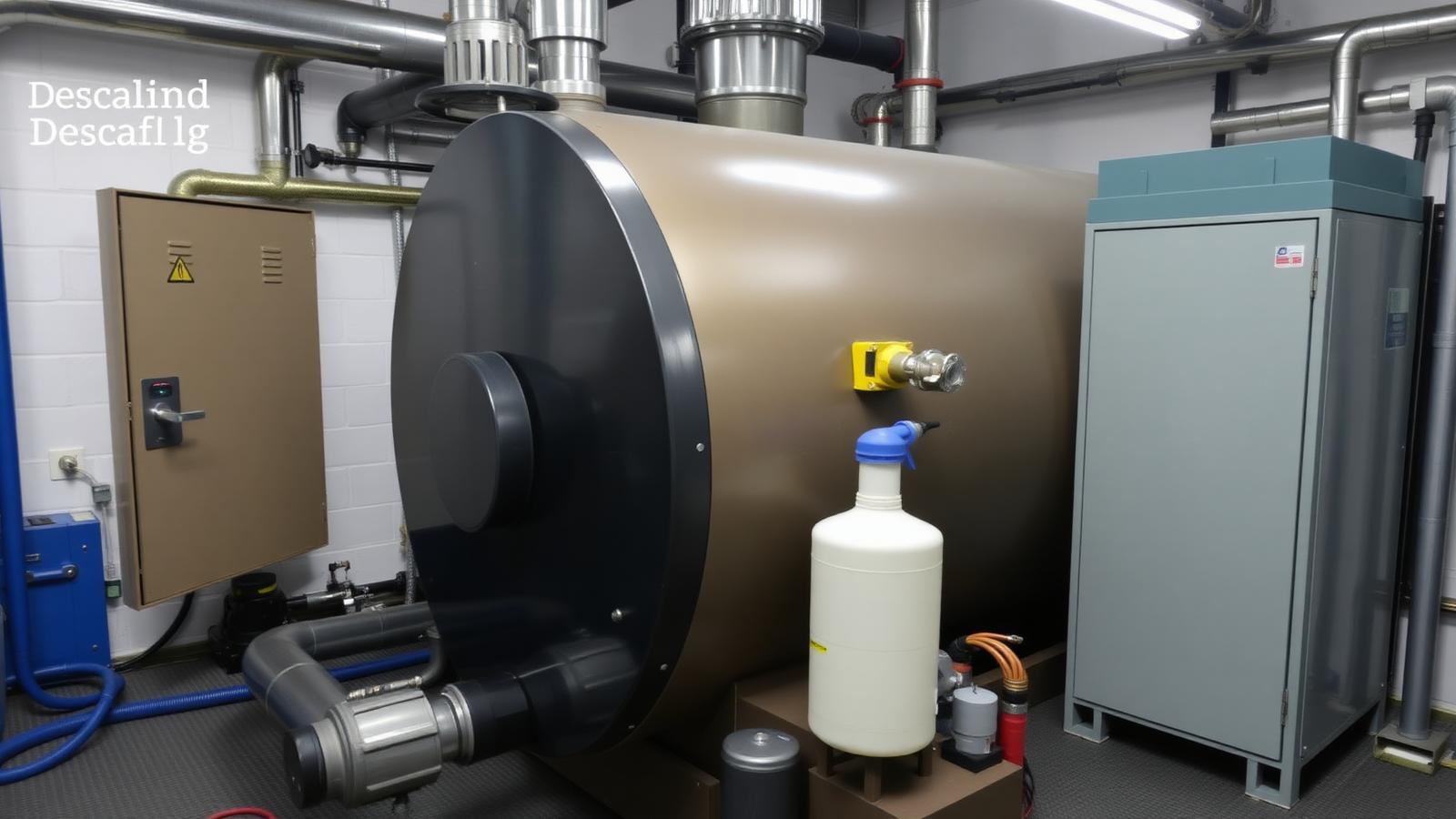
Why Every UK Plant Room Needs a Commercial Boiler Descaling Pump
In the UK, particularly in hard water areas like the South East and Surrey, calcium carbonate buildup is a silent killer of commercial heating efficiency. Even a thin layer of scale can increase energy consumption by up to 10% and significantly raise the risk of heat exchanger failure. Utilising a commercial boiler descaling pump allows facility managers to circulate acidic cleaning agents through the primary circuit, dissolving stubborn deposits that standard flushing cannot reach. This process is essential for maintaining the operational longevity of high-efficiency condensing boilers which often feature narrow waterways prone to blockages.
Consultants and plant room engineers must recognise that limescale doesn't just impact fuel bills; it stresses every component within the hydraulic circuit. When heat transfer is impeded, the boiler must fire longer and harder to achieve the set-point temperature, leading to thermal fatigue in the heat exchanger and increased wear on circulating pumps. By integrating a regular descaling regime using a robust commercial boiler descaling pump, maintenance teams can ensure that the system remains compliant with the performance expectations set out in CIBSE Guide M for building maintenance and energy efficiency.
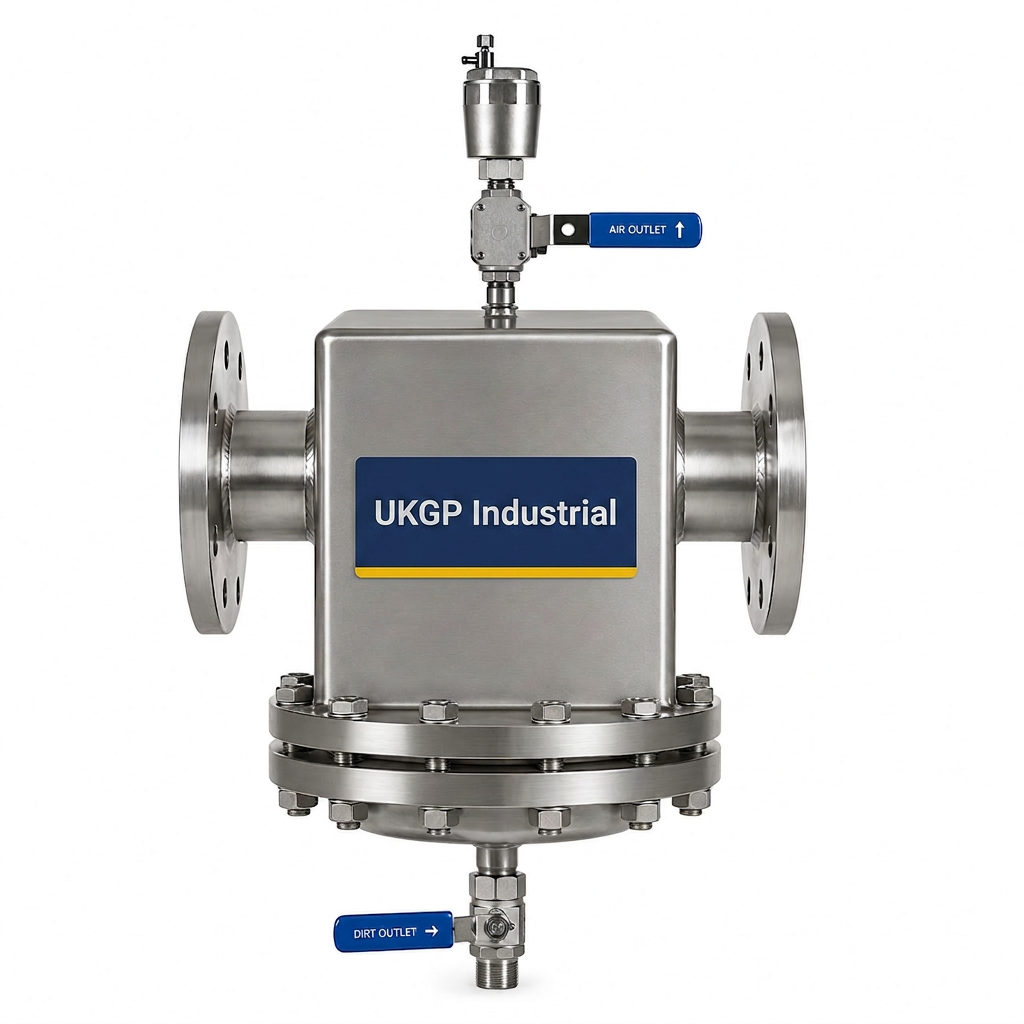
While one-off descaling is a reactive necessity, UKGP Industrial advocates for a holistic approach to water quality. A descaling pump is the cure, but prevention lies in effective side stream filtration and air separation. By addressing the root cause of mineral deposition and magnetite formation, contractors can reduce the frequency of invasive acid cleaning. However, for existing systems showing signs of kettling or reduced output, there is no substitute for the high-flow, chemical-resistant capabilities of a purpose-built circulation kit designed for the rigours of commercial-scale mechanical installations.
- Restores thermal conductivity to heat exchanger surfaces
- Reduces carbon emissions by optimizing fuel combustion
- Prevents localized hotspots that lead to boiler fatigue
- Essential for hard water regions across the UK
Aligning Descaling Procedures with BSRIA BG29 and BG50
Compliance with BSRIA BG29 (Pre-commission Cleaning) and BG50 (Water Treatment for Closed Heating and Cooling Systems) is non-negotiable for modern UK building services. These standards dictate that water quality must be managed to prevent corrosion and scale. A commercial boiler descaling pump plays a vital role in these protocols, particularly during the remedial cleaning of older systems where existing water treatment has been poorly managed. When selecting a pump kit, it is vital to ensure the materials are compatible with the aggressive chemicals required to dissolve mineral slats without damaging internal boiler seals.
Water quality monitoring, as outlined in BS 8552, often reveals high levels of dissolved solids that contribute to scaling. When these levels exceed the parameters defined in BG50, a thorough descaling process is often the only way to reset the system to a baseline state. Contractors should look for circulation kits that offer reversible flow functionality; this feature allows the commercial boiler descaling pump to attack scale from both directions, ensuring a more thorough clean of the heat exchanger fins and internal headers where debris often settles in bypass pockets.
It is also worth noting that the effectiveness of any descaling operation is dependent on the flow rate and pressure produced by the pump. Commercial boilers require a higher velocity than domestic units to ensure the descaling solution reaches all internal surfaces. UKGP Industrial recommends that M&E contractors source industrial-grade pumps that are specifically rated for acid circulation. This investment not only ensures BSRIA compliance but also provides a repeatable, reliable maintenance outcome that can be documented as part of the facility's asset management strategy and O&M manuals.
- Ensures adherence to BSRIA BG50 water quality guidelines
- Facilitates compliance with BS 8552 sampling protocols
- Protects manufacturer warranties by maintaining clean internals
- Reduces the risk of microbial growth facilitated by scale pockets
Protecting Systems with Side Stream Filtration Skids
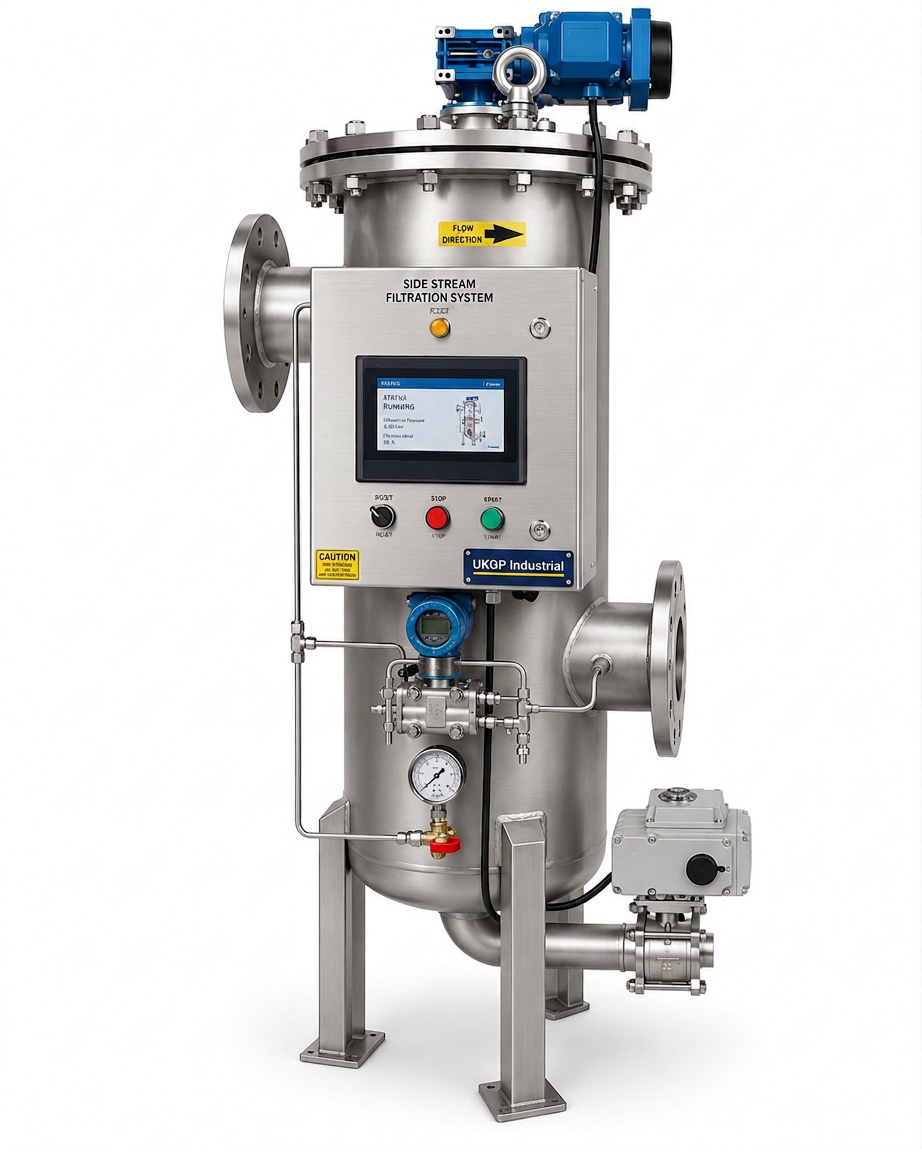
While a commercial boiler descaling pump is the ideal tool for periodic deep cleaning, the long-term protection of the boiler relies on continuous debris removal. This is where side stream filtration becomes an essential part of the plant room design. By diverting a percentage of the system flow through a high-efficiency filter, you can trap suspended solids and prevent them from settling as scale or sludge. UKGP Industrial offers side stream filtration skids from £6,800+VAT, designed to handle the demanding environments of UK commercial buildings, providing a vital line of defence post-descaling.
Our side stream filtration units are made to order with a typical lead time of 6-8 weeks, ensuring they are built to the exact requirements of your project. Available in sizes from DN50 to DN100, these skids are designed for easy integration into existing plant rooms. Each unit comes with a 2-year warranty, giving specifiers and procurement leads confidence in the longevity of the equipment. When used in conjunction with a commercial boiler descaling pump, these skids keep the water chemistry stable, significantly extending the time between required descaling cycles and reducing overall maintenance costs.
For engineers tasked with improving the efficiency of a poorly performing circuit, the combination of a thorough descale followed by the installation of a side stream unit is the gold standard. The descaling process clears the path, and the filtration skid ensures it stays clear. Contact UKGP Industrial today for a technical quote on our filtration solutions. Our Surrey-based team can assist in selecting the right DN size for your system, ensuring that your newly cleaned boiler remains at peak performance for years to come while following the best practices defined in BSRIA BG50.
- Prices starting from £6,800+VAT for industrial skids
- DN50 to DN100 sizes available for all plant room scales
- Made to order in the UK with a 6-8 week lead time
- 2-year warranty provided as standard on all skids
Technical Specifications: What to Look for in a Circulation Kit
Choosing the right commercial boiler descaling pump involves more than just checking a flow rate. The harsh chemicals used, such as diluted phosphoric or hydrochloric acid, require the pump housing and impellers to be constructed from chemically resistant polymers. Using a standard heating pump for descaling is a recipe for disaster, as the acid will quickly perish the seals and corrode the metal components. A dedicated kit should include reinforced hoses with secure couplings to prevent leaks in the plant room, ensuring operative safety and protecting the surrounding infrastructure from chemical damage.
Flow reversal is a critical technical feature for any commercial application. Limescale often forms in a way that shields underlying deposits from a single direction of flow. By toggling the flow direction on your commercial boiler descaling pump, you can dramatically decrease the time required for a full clean. Additionally, integrated tanks within the circulation kit allow for the safe mixing of chemicals and provide a buffer that helps manage the gas bubbles generated during the chemical reaction, preventing the pump from air-locking while it works to restore the boiler's efficiency.
We recommend that M&E contractors evaluate the footprint and portability of the unit. Commercial plant rooms can often be cramped or located in difficult-to-reach areas such as rooftops or basements. A pump mounted on a robust, wheeled trolley is often preferred for ease of transport. Furthermore, check the motor's IP rating to ensure it can withstand the damp environments common in boiler houses. Investing in a high-quality kit ensures that your team can perform descaling tasks quickly, safely, and effectively across multiple sites with minimal downtime or equipment failure.
- Acid-resistant construction for all wetted parts
- Built-in flow reversal valves for maximum debris removal
- Integrated chemical blending tank with gas venting
- High-performance motors suited for continuous duty cycles
Calculating the ROI of Regular Boiler Descaling
In a commercial setting, the ROI of investing in a commercial boiler descaling pump is easily demonstrated through fuel savings and avoided repair costs. A boiler operating at just 85% efficiency due to scaling is costing a business thousands of pounds more per year than a clean unit. Especially with the volatile energy prices currently seen in the UK, maintaining the highest possible COP (Coefficient of Performance) or seasonal efficiency is a commercial priority for facility managers. The cost of a professional descaling kit is often recouped within the first two or three major services performed on a large-capacity system.
Beyond gas consumption, there is the matter of emergency call-out fees and business continuity. Scale buildup is a primary cause of heat exchanger cracking and sensor failure. A boiler failure in a hospital, school, or data centre can have catastrophic consequences. By using a commercial boiler descaling pump as part of a scheduled preventive maintenance programme, these risks are mitigated. This proactive approach is exactly what UK building insurance providers and compliance auditors look for when assessing risk management protocols for commercial properties, as it demonstrates a commitment to technical excellence.
When you consider that UKGP's filtration solutions (from £6,800+VAT) and our wider range of dosing pots and separators are designed for 20+ years of service, the case for high-quality maintenance equipment becomes even stronger. Procurement leads should factor in the total cost of ownership; a cheap pump may fail after three uses, whereas an industrial-grade descaling kit provides year-on-year reliability. Combining this with a 2-year warranty on our major skid components ensures that your investment is protected. We encourage all UK engineers to request a quote to see how our bespoke solutions fit their specific site requirements.
- Significant reduction in annual gas and electricity bills
- Minimized risk of emergency boiler downtime and repairs
- Extended lifespan of primary plant and heat exchangers
- Enhanced asset value through documented maintenance history
Best Practices for Chemical Dosing and Neutralisation
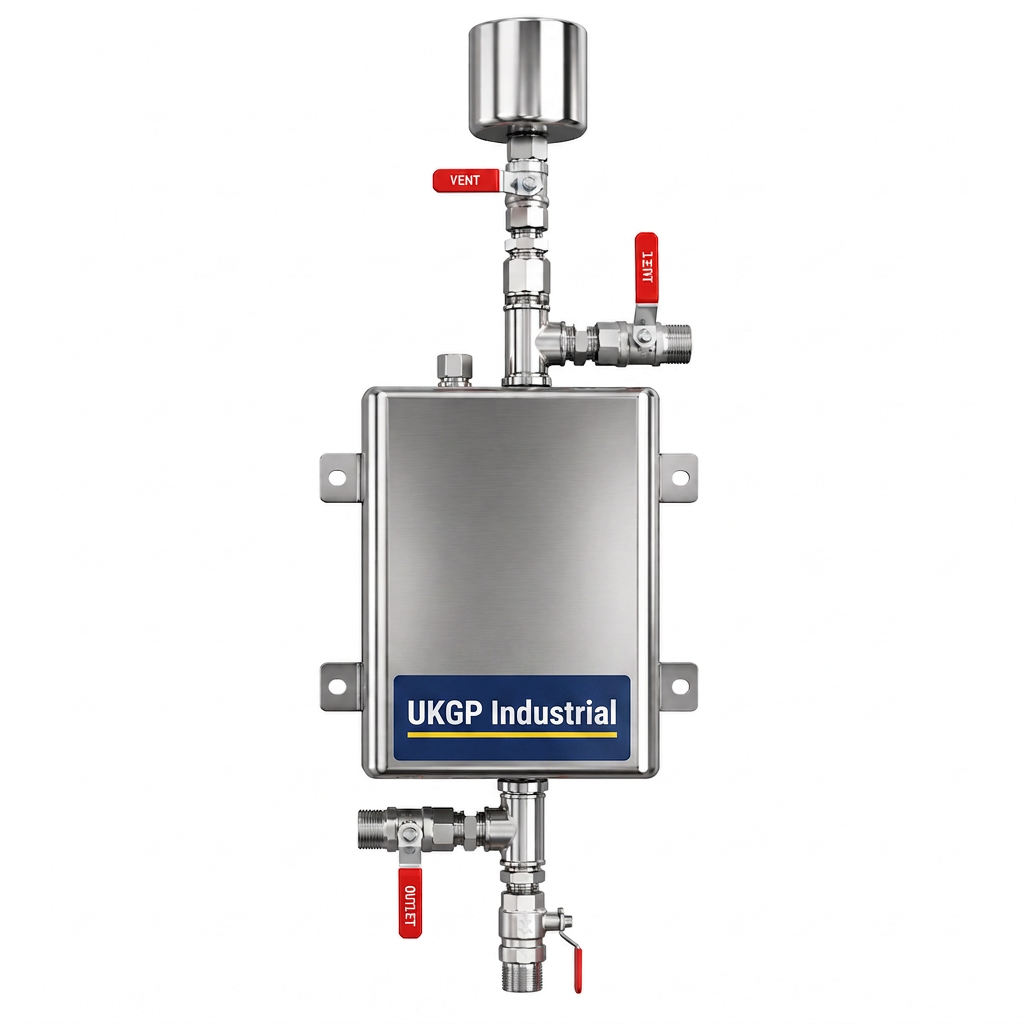
The use of a commercial boiler descaling pump must always be accompanied by correct chemical handling and disposal. Once the descaling process is complete, the internal system remains acidic and must be neutralised to prevent 'flash rusting' of the newly cleaned steel or copper surfaces. Most professional circulation kits include a stage for circulating a neutralising agent. Following this, it is critical to introduce a high-quality inhibitor via a dosing pot to provide a protective film. This multi-step process ensures that the clean surfaces created by the descaling pump stay clean and protected from future oxygen ingress.
Contractors should always consult the boiler manufacturer’s guidelines before selecting a descaling chemical. Some modern aluminium heat exchangers require specific non-acidic cleaners or very mild organic acids to avoid metal loss. Using an overly aggressive chemical in your commercial boiler descaling pump without checking compatibility could void the boiler's warranty. This is where technical expertise from a supplier like UKGP Industrial is invaluable; we understand the nuances of the equipment and can advise on the best methods to maintain system integrity while achieving maximum descaling results.
Finally, environmental responsibility is paramount. The effluent from a descaling operation can be highly acidic and contain high concentrations of dissolved metals. It must be disposed of in accordance with local water authority regulations and UK environmental law. High-end descaling kits often feature drainage ports that allow for the controlled discharge and neutralisation of waste. By following these professional standards, UK engineers not only protect the heating system they are servicing but also stay compliant with the wider legal framework governing industrial waste and building services maintenance.
- Use manufacturer-approved chemicals for local compatibility
- Always follow up with neutralization and passivation and inhibitors
- Introduce inhibitors via a dedicated chemical dosing pot
- Dispose of chemical waste according to UK environmental laws
Frequently asked questions
How long does a typical commercial boiler descaling process take?
- The duration depends on the severity of the scale and the size of the boiler. Generally, using a high-flow commercial boiler descaling pump takes between 2 to 6 hours for a single large heat exchanger. This time includes the initial circulation of acid, the neutralization phase, and the final flush.
Can I use a domestic descaling pump for commercial plant rooms?
- It is not recommended. Domestic pumps often lack the flow rate (L/min) and head pressure required to effectively penetrate the larger, more complex waterways of a commercial boiler. Additionally, industrial kits are built with more robust chemical-resistant materials to withstand frequent use on larger volumes.
How often should a commercial boiler be descaled?
- According to BSRIA BG50 guidelines, descaling should be reactive based on performance indicators like increased flue gas temperatures or reduced Delta T. However, in hard water areas, an inspection every 12-24 months is advised. Installing a side stream filtration skid can significantly extend these intervals.
What is the typical lead time for UKGP filtration equipment?
- Our side stream filtration skids (DN50 to DN100) are made to order at our Surrey facility. The typical lead time is 6-8 weeks from order to delivery, and they come with a comprehensive 2-year warranty as standard.
Will descaling a boiler damage its internal seals?
- If the correct chemicals for the specific boiler material (e.g., stainless steel vs aluminium) are used with a professional commercial boiler descaling pump, the seals will remain intact. Always ensure the pump kit is flushed thoroughly and the acid is neutralized immediately following the cleaning cycle.