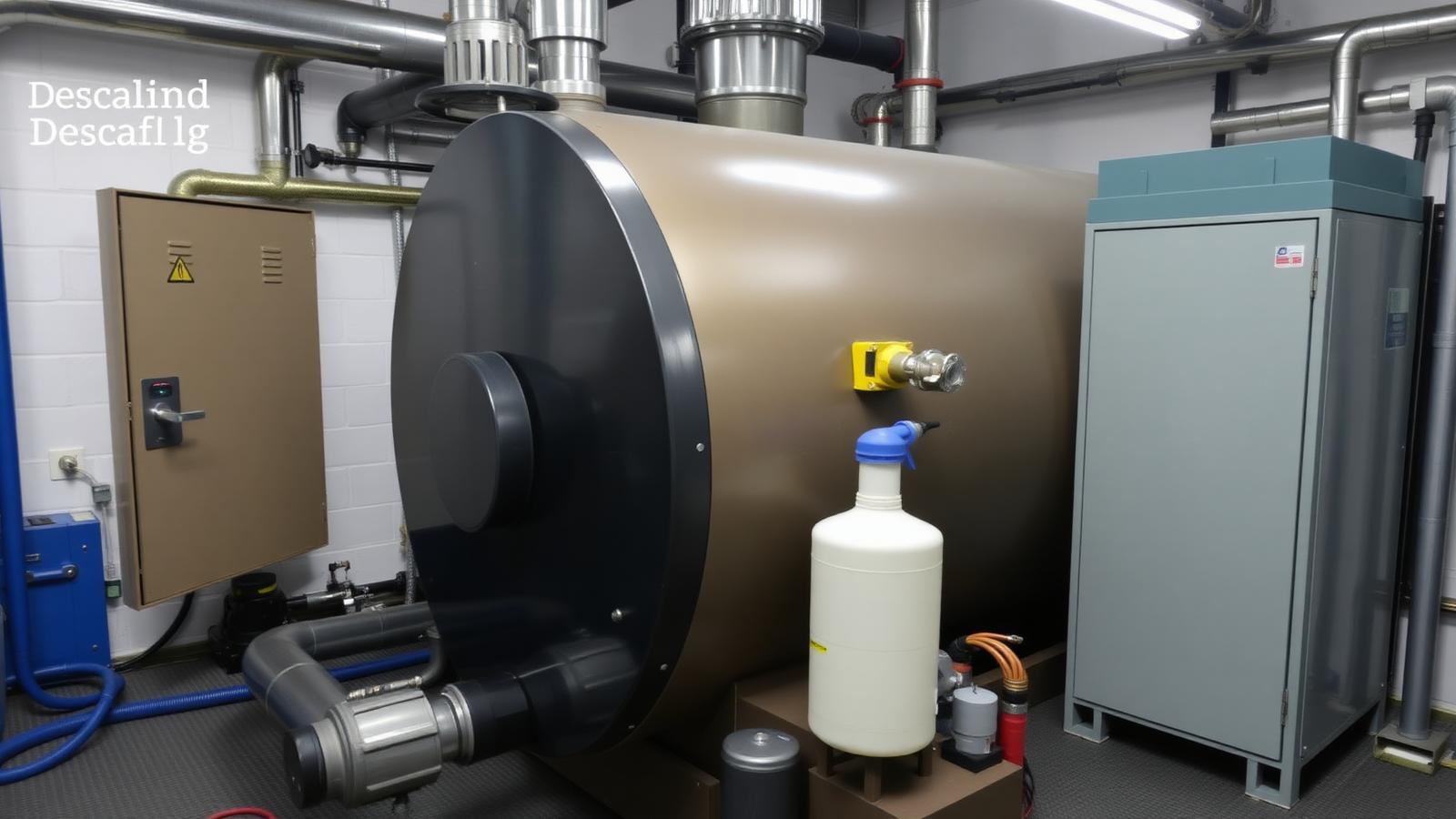
The Impact of Calcium Scale on Heat Exchanger Efficiency
Calcium scale on heat exchanger plates or tubes acts as a highly effective thermal insulator, which is detrimental to system performance. In hard water areas such as London and the South East, the precipitation of calcium carbonate onto heat transfer surfaces can reduce heat transfer coefficients by as much as 40 percent even with a layer thinner than one millimetre. This thermal resistance forces primary circuit boilers or heat pumps to operate at higher temperatures and for longer durations to achieve the required secondary set-points, directly inflating energy bills and increasing the carbon footprint of the facility. For facilities managers, ignoring the gradual build-up of scale results in a compounding financial loss that often goes unnoticed until system capacity is severely compromised.
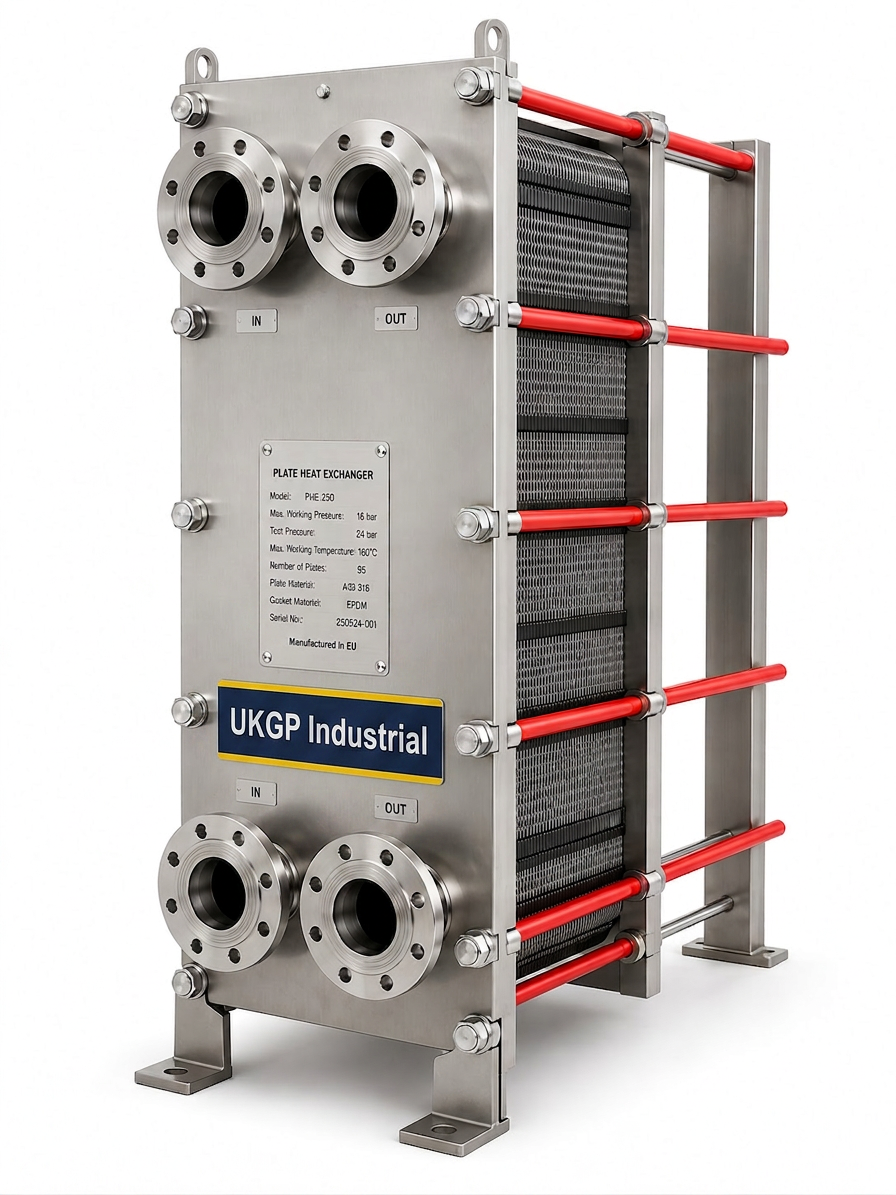
From a mechanical perspective, the presence of calcium scale heat exchanger deposits also increases the pressure drop across the unit. As the internal apertures of a plate heat exchanger (PHE) or shell-and-tube unit narrow due to mineral accumulation, the circulating pumps must work harder to maintain the design flow rate. This hydraulic stress shortens the lifespan of pump seals and motors while potentially triggering low-flow alarms in the Building Management System (BMS). Under BSRIA BG50 monitoring standards, any notable deviation from the commissioned pressure drop across a heat exchanger should be investigated immediately as it often indicates the early stages of fouling or scale formation that requires professional intervention.
Furthermore, the structural integrity of the heat exchanger itself is at risk when scale is present. Differential thermal expansion between the metallic plates and the rigid calcium crust can cause localized stress, leading to fatigue and eventual leaking. In stainless steel units, stagnant areas created beneath scale deposits can facilitate under-deposit corrosion or pitting, which is often irrecoverable once it penetrates the plate thickness. Proactive monitoring of temperature approach—the difference between the primary inlet and secondary outlet temperatures—is the most effective way for plant-room engineers to quantify the impact of scale before it necessitates an emergency shutdown of the building's heating or cooling services.
- Significant reduction in thermal conductivity and heat transfer efficiency.
- Increased carbon emissions due to higher energy consumption requirements.
- Excessive hydraulic pressure drops leading to accelerated pump wear.
- Risk of under-deposit corrosion and localized structural fatigue.
Chemical Descaling Protocol and BSRIA Compliance
When calcium scale heat exchanger deposits reach a critical level, a formal chemical descaling protocol must be implemented to restore system performance. The process typically begins with a thorough water analysis to determine the specific nature of the fouling, ensuring that the chosen descaling agent is compatible with the metallurgy of the system, such as 316L stainless steel plates or EPDM gaskets. Using an aggressive acid-based cleaner without proper inhibition can lead to catastrophic metal loss. Therefore, it is essential to follow BSRIA BG29 and BG50 recommendations regarding water treatment and chemical cleaning procedures. The circuit should be isolated from the main header to prevent descaling chemicals from circulating through sensitive components like boilers or terminal units, which could cause further damage.
The actual cleaning process involves circulating a proprietary descaling solution through the heat exchanger using a dedicated CIP (Clean-In-Place) pump rig. This solution, often based on inhibited phosphoric or citric acid for safety and material compatibility, reacts with the calcium carbonate to break it down into soluble salts and carbon dioxide gas. Engineers must monitor the pH levels and the concentration of the cleaning fluid throughout the process; a stabilizing pH indicates that the calcium has been fully reacted and the surfaces are likely clean. It is vital to reverse the flow direction periodically during this cycle to ensure that any debris trapped in the narrow plate channels is effectively dislodged and evacuated from the heat exchanger assembly.
Once the descaling cycle is complete, the unit must be thoroughly flushed with clean water and neutralized to remove all traces of acidic residue. Failure to neutralize the system properly can lead to post-cleaning corrosion, which may be more damaging than the original scale. After flushing, the heat exchanger should be re-pressurised and leak-tested. For heavily fouled units where CIP is unsuccessful, a manual strip-down and plate-by-plate cleaning may be required, involving the replacement of all gaskets. However, this is a time-consuming and costly exercise. To avoid these high maintenance costs, UKGP Industrial recommends implementing a robust secondary protection strategy that prevents the migration of particulate matter into the heat exchanger in the first place.
- Conduct a detailed water analysis before selecting chemical agents.
- Ensure chemical compatibility with stainless steel and gasket materials.
- Utilize a Clean-In-Place (CIP) rig with flow reversal capabilities.
- Comprehensive neutralisation and flushing post-clean to prevent corrosion.
Preventing Scale Accumulation with Side Stream Filtration
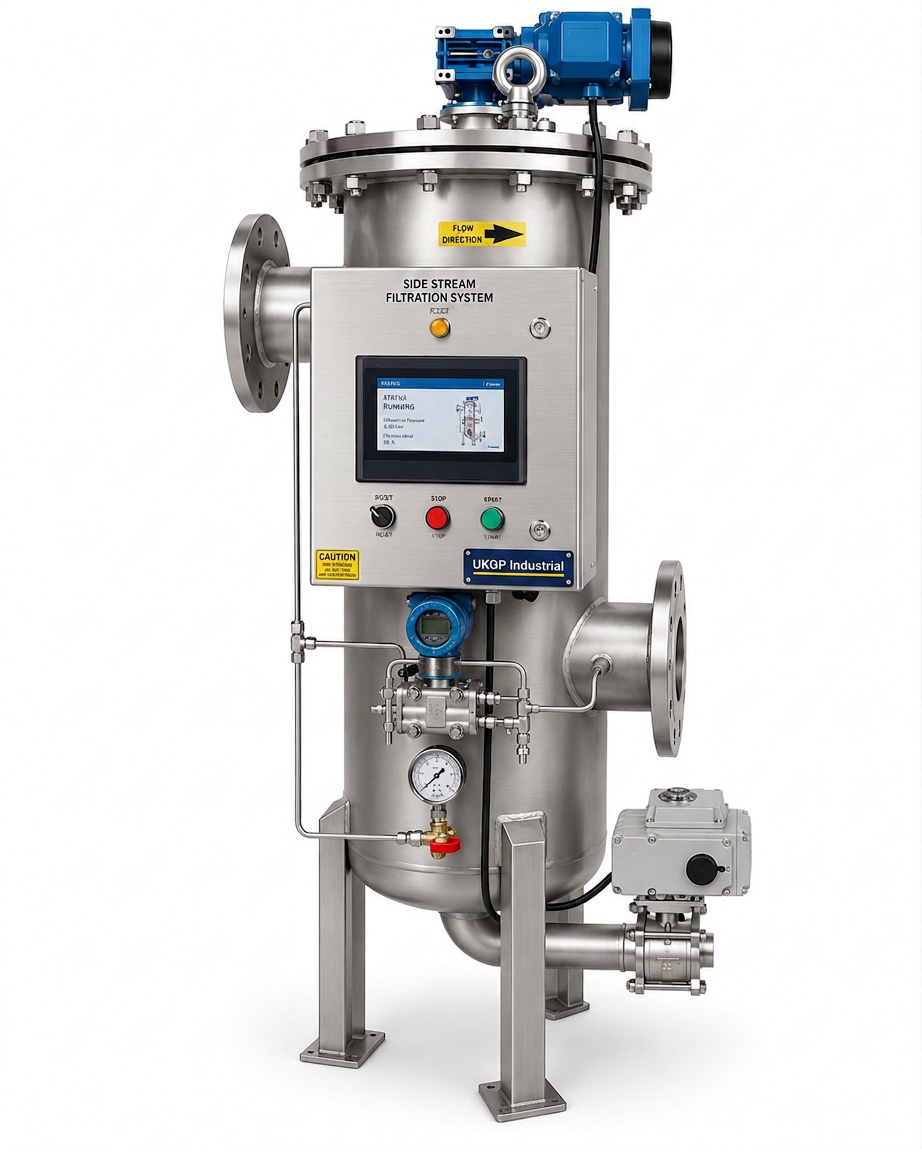
The most effective way to manage a calcium scale heat exchanger issue is to prevent the mineral and suspended solid accumulation through mechanical filtration. While chemical dosing pots are excellent for introducing inhibitors, they do not remove the circulating solids that often act as nucleation sites for scale. Side stream filtration systems are designed to continuously filter a portion of the total system volume, typically 5 to 15 percent, removing debris down to sub-micron levels. By stripping out black iron oxide (magnetite) and other suspended solids, these units significantly reduce the likelihood of scale sticking to the turbulent surfaces found within modern high-efficiency heat exchangers. This preventive approach aligns with BSRIA BG50, which stresses the importance of continuous water quality management.
UKGP Industrial provides high-specification side stream filtration skids specifically engineered for the UK commercial market. Our units, available in sizes ranging from DN50 to DN100, are made to order with a standard 6-8 week lead time and are priced competitively from £6,800+VAT. These skids feature a robust design with a 2-year warranty, ensuring long-term reliability in demanding plant-room environments. By installing a UKGP filtration skid, contractors and FMs can ensure that the water quality remains within the parameters defined by BS 8552, thereby protecting expensive heat exchange assets from the twin threats of scale and corrosion. The ROI for such an installation is frequently realized within two years through energy savings and reduced maintenance call-outs.
Integrating a side stream filter also simplifies the ongoing maintenance of the closed-loop system. Rather than performing periodic full-system flushes which are water-intensive and chemically expensive, a side stream unit allows for the localized removal of contaminants. When combined with correct chemical dosing, it creates a stable environment where calcium ions remain in solution rather than precipitating onto the heat exchanger plates. For bespoke requirements or specific plant-room footprints, our engineering team can tailor the skid assembly to suit, providing a plug-and-play solution that integrates seamlessly with existing BMS platforms for remote monitoring of filter status and system health. Requesting a quote for a UKGP side stream filtration skid is the first step toward a scale-free system.
- Continuous removal of suspended solids down to sub-micron levels.
- DN50 to DN100 sizes available, starting from £6,800+VAT.
- Standard lead times of 6-8 weeks with a full 2-year warranty.
- Reduces nucleation sites for calcium scale formation on heat transfer surfaces.
The Role of Air and Dirt Separators in Scale Prevention
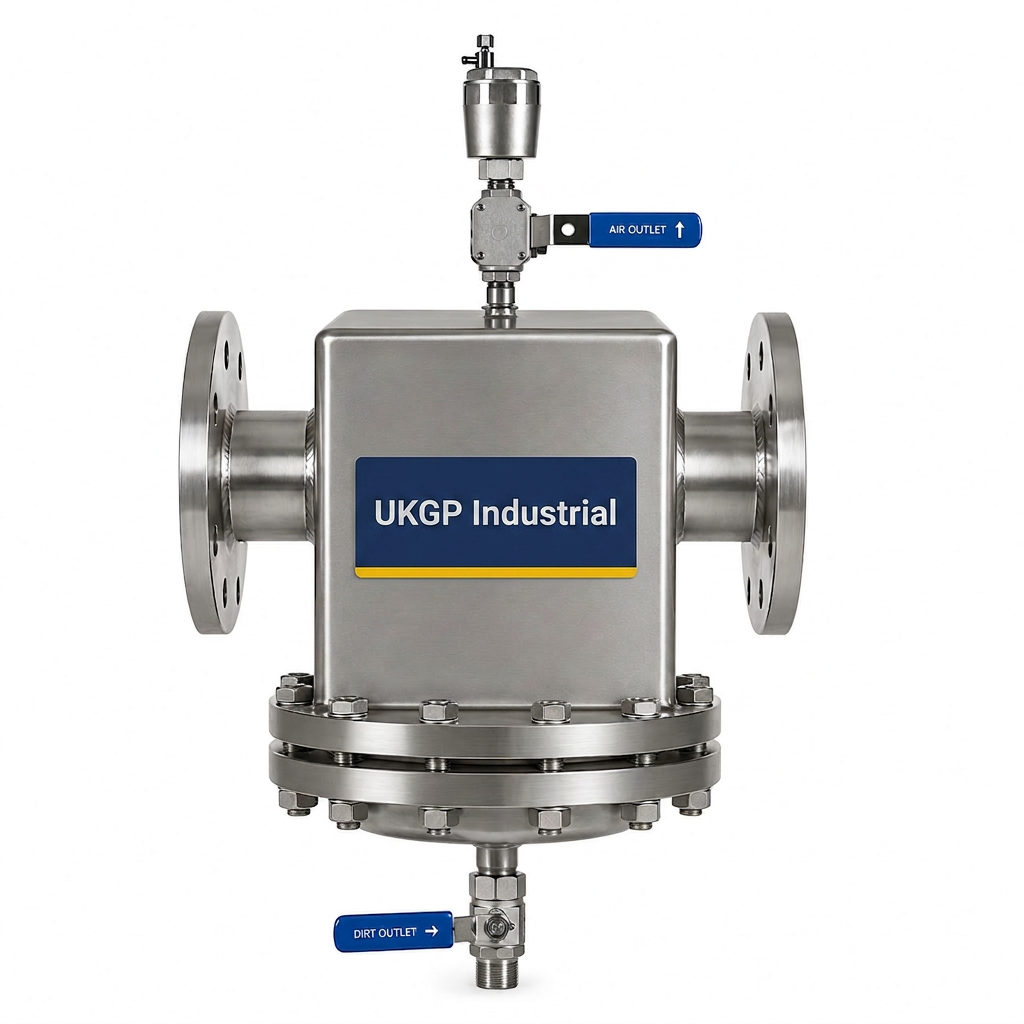
In addition to filtration, managing dissolved gases and microbubbles is crucial for preventing the conditions that lead to calcium scale heat exchanger fouling. High concentrations of oxygen and nitrogen in the system water can lead to oxidative corrosion and the formation of localized hot spots where scale is more likely to precipitate. Air and dirt separators are essential components that should be installed on the flow and return lines of any commercial heating or cooling circuit. By removing microbubbles and large particulate matter before they reach the heat exchanger, these devices complement the work of the side stream filter and ensure the longevity of the entire hydraulic circuit. This dual-layered approach is often cited in CIBSE CP1 as a best practice for heat network design.
The physics of air separation is particularly relevant to scale because as water is heated within a heat exchanger, the solubility of gases decreases, leading to the release of bubbles. These bubbles can trap minerals against the metal surfaces, accelerating the formation of a calcium crust. A high-quality separator utilizes a coalescing medium to force these microbubbles to merge and rise to an automatic air vent. Similarly, the dirt separation function uses a low-velocity zone to allow heavier particles to sink to a collection chamber for easy blow-down. For engineers looking to specify a complete plant-room protection package, UKGP suggests pairing our separators with our dosing and filtration units for maximum system resilience.
When specifying equipment for a new build or a heavy retrofit, the inclusion of an air and dirt separator is a non-negotiable for achieving high efficiency. These units are typically installed in the primary circuit, protecting the most sensitive equipment—the boilers and the plate heat exchangers. By maintaining a debris-free and de-aerated fluid, you ensure that the heat transfer remains optimal throughout the year. UKGP offers a range of high-performance separators that are designed to handle the high flow rates common in commercial systems. Investing in proper separation technology today prevents the need for costly calcium scale heat exchanger descaling services in the future, providing peace of mind for both the contractor and the end-user.
- Elimination of microbubbles that contribute to localized scale precipitation.
- De-aeration prevents oxidative corrosion and improves heat transfer.
- Protection of the primary circuit through efficient dirt and debris removal.
- Easier maintenance via localized blow-down of collected contaminants.
Maintaining Proper Chemical Inhibitor Levels
Chemical treatment is the third pillar of calcium scale protection, alongside filtration and air separation. In accordance with BS 8552, closed-loop systems must be regularly sampled and treated with scale and corrosion inhibitors. These chemicals work by interfering with the crystal growth of calcium carbonate, keeping the minerals in a soft, non-adherent state that can be easily picked up by the side stream filter. Without proper chemical dosing, even the softest water can eventually cause calcium scale heat exchanger issues due to the high temperatures and evaporation rates found at the heat transfer interface. This is especially true in systems with high make-up water rates, which constantly introduce fresh hardness into the circuit.
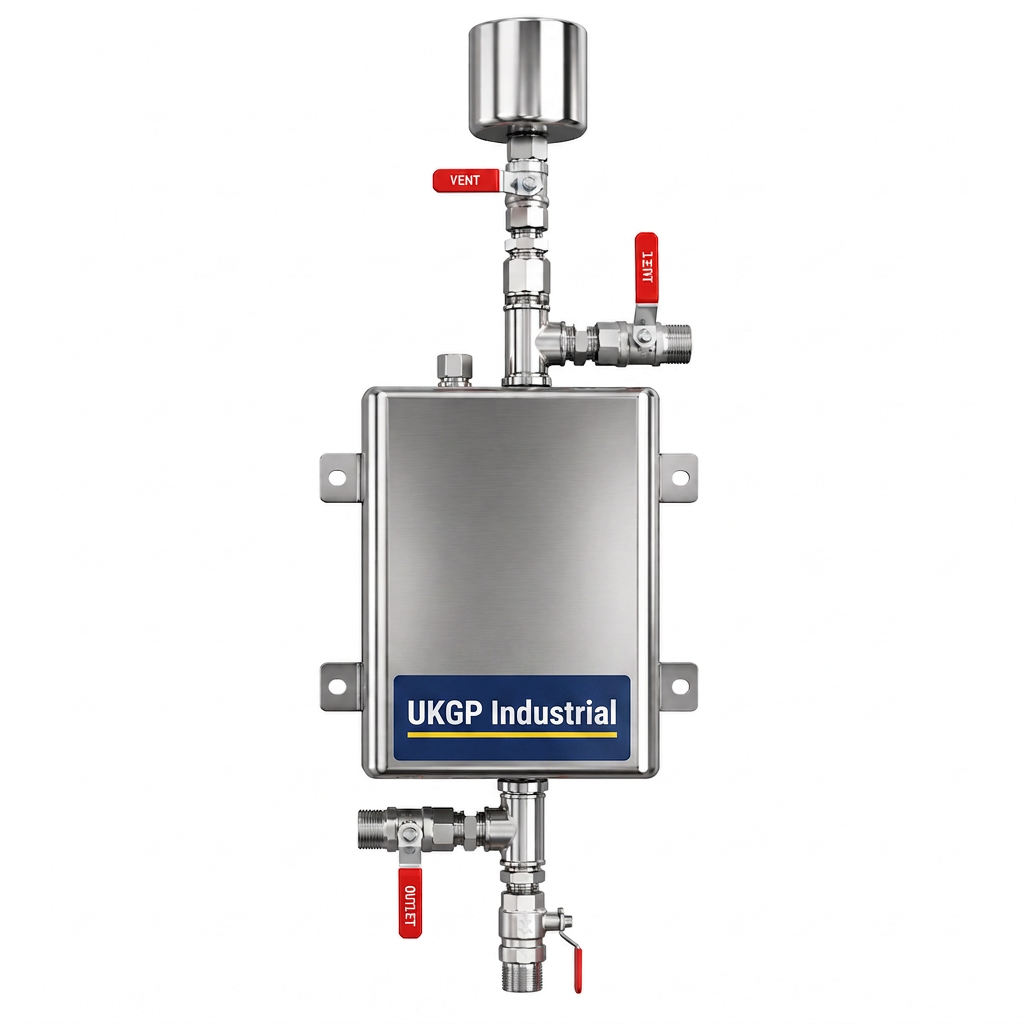
To facilitate easy chemical introduction, every plant room should be equipped with a chemical dosing pot. These units allow for the safe and precise injection of inhibitors without the need to depressurise or shut down the entire system. UKGP Industrial supplies stainless steel dosing pots that are robust enough for high-pressure commercial environments, ensuring that maintenance teams can keep the system chemistry in balance. Regularly testing the concentration of these inhibitors is a key task for any FM, as levels can drop over time due to system leaks or during filter cleaning cycles. A well-maintained chemical regime is the most cost-effective way to ensure that the heat exchanger remains clean and efficient for its entire design life.
Consultants should specify a comprehensive water treatment plan that includes both the hardware—such as UKGP skids and pots—and a regular testing schedule. If a system has recently undergone a descaling protocol to remove calcium scale heat exchanger deposits, it is imperative to re-establish the inhibitor levels immediately to protect the newly cleaned surfaces. Freshly cleaned metal is particularly susceptible to rapid corrosion if left unprotected. By choosing UKGP for your plant-room components, you are securing UK-manufactured reliability backed by technical expertise. Contact our Surrey office today to discuss your project requirements and let our experts help you specify the right protection tools for your commercial HVAC system.
- Use of phosphonates or polymers to inhibit calcium carbonate crystal growth.
- Regular sampling in accordance with BS 8552 water quality standards.
- Safe chemical introduction via dedicated UKGP dosing pots.
- Ensuring post-descaling protection to prevent flash corrosion on metal plates.
The Commercial Reality: ROI and Lead Times
For procurement leads and M&E contractors, the commercial reality of tackling calcium scale heat exchanger problems revolves around lead times and capital expenditure versus operating costs. In the current UK market, waiting months for critical components can derail a project timeline. UKGP Industrial addresses this by maintaining a streamlined manufacturing process for our filtration and heat transfer products. Our side stream filtration skids are made to order with a standard 6-8 week lead time, ensuring that your project stays on track. Starting from £6,800+VAT, these units represent an affordable investment in the long-term health of the building’s infrastructure, especially when compared to the cost of a full heat exchanger replacement or an emergency descaling call-out.
The ROI of installing high-quality side stream filtration is clear when considering the escalation of energy prices in the UK. A mere 10% reduction in heat exchanger efficiency due to calcium scale can add thousands of pounds to annual gas or electricity bills for a large commercial property. By maintaining a clean system, you are not only saving on fuel but also reducing the breakdown frequency of ancillary components like pumps and valves. Our UK-made skids (DN50 to DN100) are built with the rigours of the British plant room in mind, featuring heavy-duty frames and high-quality pipework that will last for decades. This durability is why we confidently offer a 2-year warranty on our filtration assemblies.
When specifying for a project, it is also important to consider the ease of installation. UKGP skids are delivered fully assembled and tested, reducing on-site labour costs for the M&E contractor. This ‘plug-and-play’ philosophy means that the system can be commissioned quickly, ensuring that the calcium scale heat exchanger protection is active from day one of the building's operation. If you are a consultant designing a BSRIA-compliant system, our technical team can provide the 3D models and data sheets required for your submittals. Reach out today to receive a detailed quote and see how UKGP Industrial can support your next commercial heating or cooling project with high-quality, Surrey-made equipment.
- Rapid 6-8 week lead time for made-to-order filtration skids.
- Competitive UK pricing starting from £6,800+VAT for DN50 units.
- Substantial energy savings through maintained heat transfer efficiency.
- Reduced on-site labour with fully assembled and tested UKGP skids.
Frequently asked questions
How often should a heat exchanger be checked for calcium scale?
- According to BSRIA BG50, heat exchangers should be monitored via pressure drop and temperature approach monthly. A physical inspection or chemical analysis of the water should be conducted annually at minimum.
Can I descale a plate heat exchanger without taking it apart?
- Yes, through a Clean-In-Place (CIP) protocol. By circulating an inhibited acidic solution through the unit using a pump rig, you can dissolve the calcium scale heat exchanger deposits without breaking the plate seals.
What is the typical lead time for a UKGP filtration skid?
- Our side stream filtration skids (DN50 to DN100) are made to order in Surrey with a standard lead time of 6 to 8 weeks, ensuring rapid delivery for UK commercial projects.
Is side stream filtration better than a chemical dosing pot?
- They serve different purposes. A dosing pot introduces chemicals to inhibit scale, while a side stream filter physically removes the solids that lead to fouling. BSRIA guidelines suggest using both for optimal system protection.
Does your filtration equipment come with a warranty?
- Yes, all UKGP Industrial side stream filtration skids come with a full 2-year warranty and are manufactured to high UK standards, providing long-term reliability for M&E contractors.