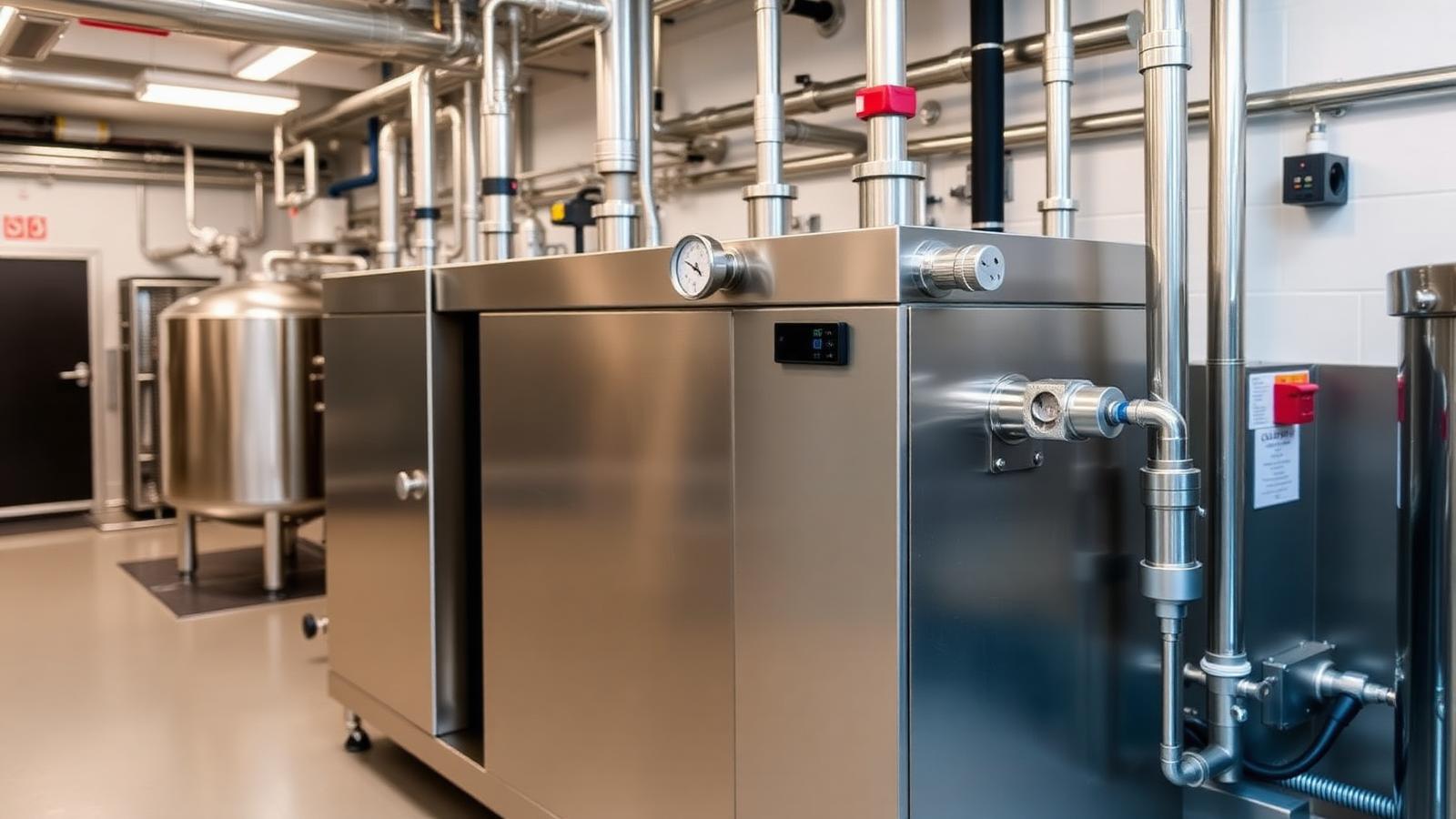
The Mechanics of a Brush Clean Side Stream Filter
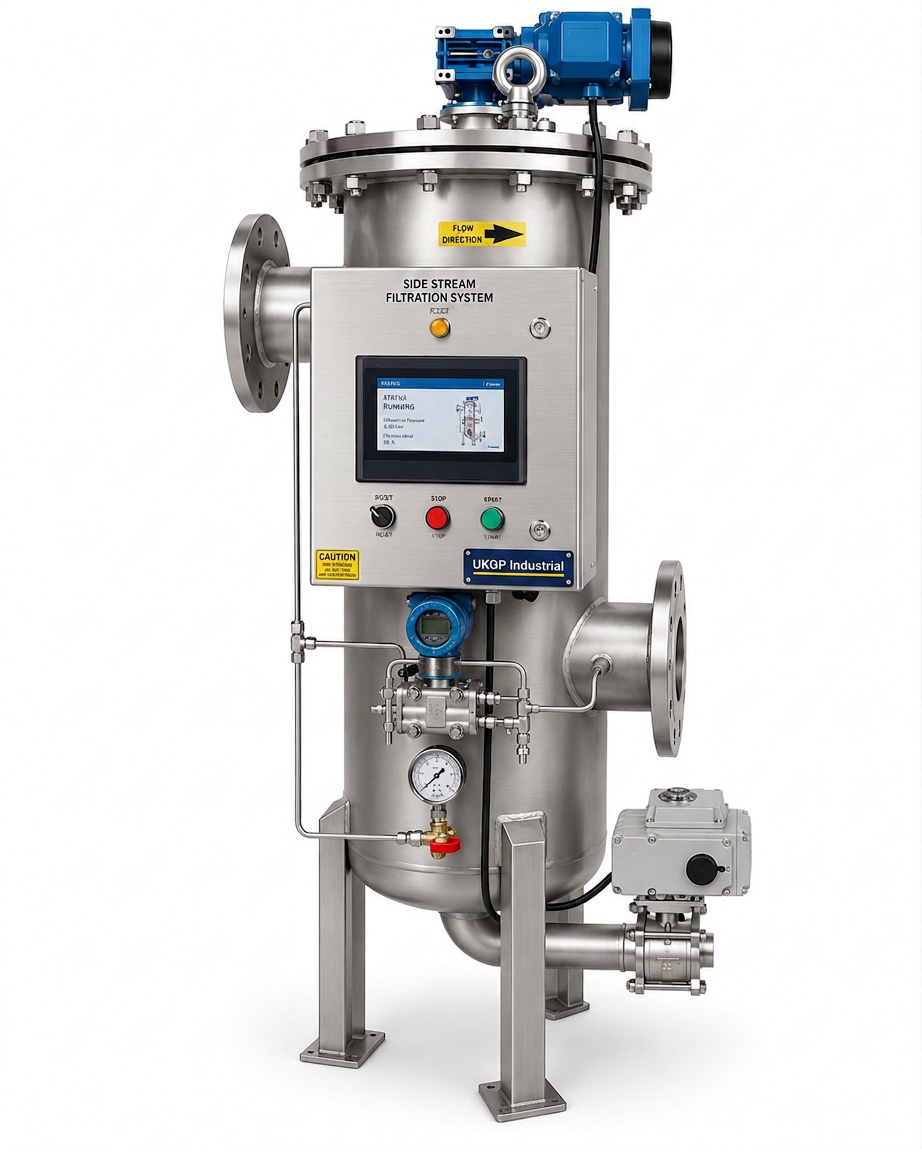
A brush clean side stream filter operates on a continuous mechanical principle designed to capture suspended solids and magnetite from closed-loop systems. Unlike traditional bag or cartridge filters that necessitate system isolation and manual intervention once blinded, the brush-clean mechanism allows for the cleaning of the internal stainless steel screen without stopping the flow. This is achieved through an internal assembly of robust nylon or stainless steel brushes that rotate against the screen surface. When the differential pressure increases—indicating a buildup of debris—the operator or an automated actuator engages the brush mechanism to dislodge trapped particulates into the collection sump. This ensures that the primary heating or cooling loop remains at peak thermal efficiency while maintaining the 5% to 15% side stream flow rate recommended by CIBSE guidelines for optimal particulate management.
The internal architectural design of these units is engineered for high-velocity environments where particulate loading can fluctuate significantly, especially during the post-commissioning phase or after system modifications. As water enters the filter housing, it is forced through the precision-engineered mesh screen, which is typically sized between 50 and 200 microns depending on the specific system requirements and the age of the pipework. The 'side stream' aspect means that only a portion of the total system volume is treated in each pass, but over a 24-hour cycle, the entire water volume is polished multiple times. This method is significantly more cost-effective for larger commercial buildings than full-flow filtration, which would require massive, prohibitively expensive vessels and pumps that consume excessive energy. By integrating this technology, FM teams can ensure that the water chemistry remains stable and the risk of localised corrosion is drastically minimised.
From a commercial perspective, UKGP Industrial provides these skids as made-to-order solutions, typically ranging from DN50 to DN100 connections to suit varied plant room specifications. With a standard lead time of 6-8 weeks and a 2-year warranty, our brush clean side stream filter units represent a long-term capital investment rather than a recurring operational expenditure. Starting from £6,800+VAT, these systems are designed to replace the labour-intensive task of managing consumable filter media. When you consider the cost of replacement bags, the technician's time, and the potential for system contamination during media changes, the ROI on a mechanical brush-clean system becomes clear within the first 18 months of operation. Contact our Surrey-based technical team today to request a quote and ensure your project meets the strict criteria set out in BS 8552 and BG50.
- Continuous filtration without the need for bypass or shutdown during cleaning cycles.
- Stainless steel mesh screens available in various micron ratings for tailored polishing.
- Internal collection sump for easy blow-down and removal of concentrated sludge.
- Reduces the risk of magnetite buildup on heat exchanger surfaces and control valves.
Adhering to BSRIA BG50 and Water Quality Standards
In the UK, the management of closed-loop water systems is governed by strict industry standards, notably BSRIA BG29 (Pre-commission Cleaning) and BG50 (Water Treatment for Closed Heating and Cooling Systems). A brush clean side stream filter is an essential tool for achieving and maintaining the suspended solids targets defined within these documents. BG50 specifically highlights the importance of keeping suspended solids to a minimum to prevent the formation of biofilms and under-deposit corrosion. When debris such as mill scale, sand, or iron oxide settles in low-velocity areas, it creates an environment where anaerobic bacteria can thrive, leading to Microbiologically Influenced Corrosion (MIC). By employing a side stream filtration skid from UKGP Industrial, engineers can proactively remove these precursors before they settle, ensuring the system remains compliant with BS 8552 sampling requirements.
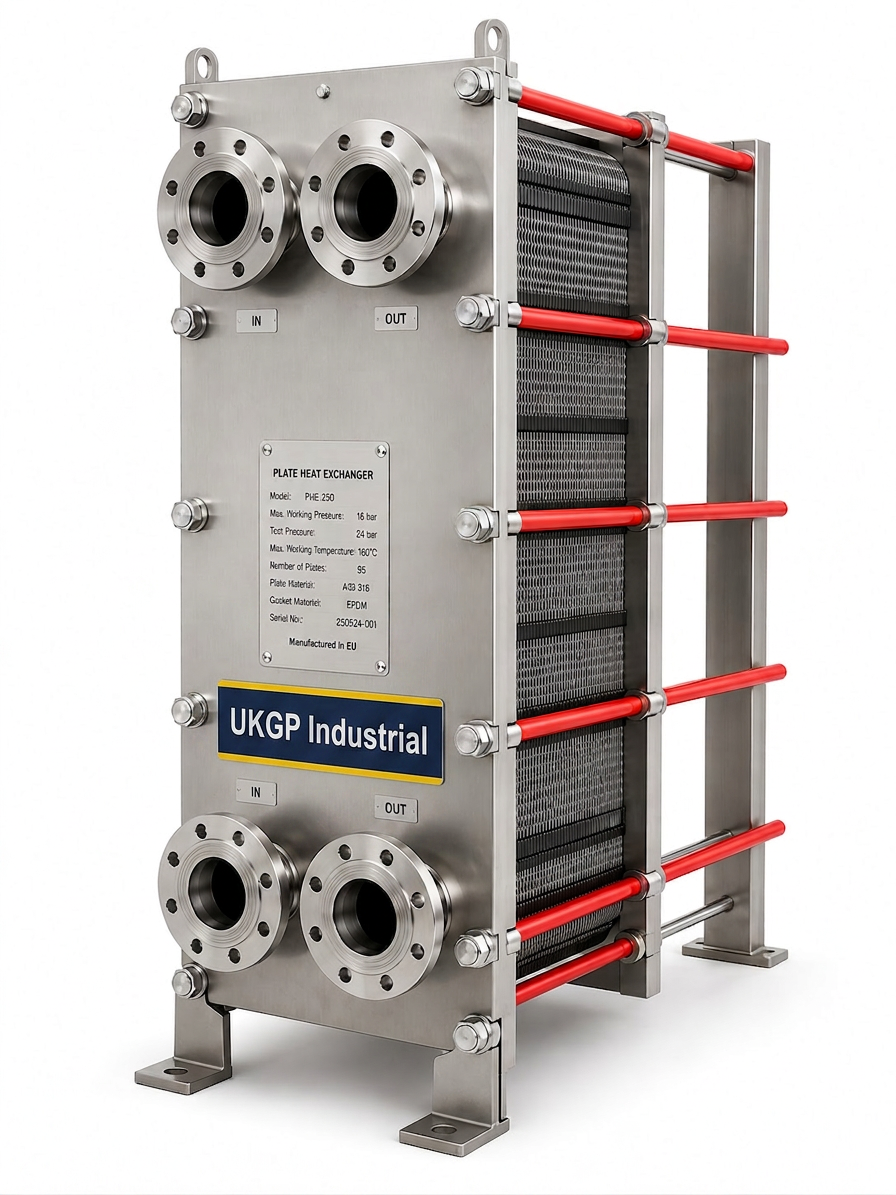
Modern plant rooms often incorporate high-efficiency condensing boilers and plate heat exchangers with narrow waterways that are extremely sensitive to particulate matter. Even small amounts of magnetite can lead to significant drops in heat transfer efficiency or, in the worst cases, total blockage and component failure. The beauty of the brush-clean design is that it provides a consistent barrier that can be maintained with minimal effort. Instead of waiting for a quarterly maintenance visit to check a bag filter, onsite facilities managers can perform a manual brush and purge in less than two minutes. This proactive approach to water quality management is what separates high-performing buildings from those plagued by constant pump seal failures and radiator cold spots. It ensures that the chemical dosing strategy remains effective, as the chemicals are not being 'used up' by reacting with excessive suspended solids.
Furthermore, the integration of a side stream filter simplifies the monitoring process required by CIBSE and BSRIA. By observing the nature of the debris collected in the filter's sump during the blow-down process, engineers can gain valuable insights into the health of the system. For instance, an influx of black magnetite may indicate an issue with the expansion bellows or a failure in the chemical dosing regime. At UKGP Industrial, we understand that these units are part of a wider ecosystem. That is why our filtration skids are built to be robust, with 24-month warranties and full technical support. If you are a consultant specifying a new build or an FM lead looking to remediate a fouled system, our DN50 to DN100 units—starting at £6,800+VAT—offer the reliable performance required to protect your client's expensive HVAC assets over their entire lifecycle.
- Complies with BSRIA BG50 requirements for continuous particulate removal.
- Supports BS 8552 water sampling by maintaining consistent clarity and low TSS.
- Protects sensitive components like plate heat exchangers and control valves.
- Provides a visual indicator of system health through captured debris analysis.
The Operational Advantages of Manual vs. Automatic Cleaning
When selecting a brush clean side stream filter, one of the primary considerations for a mechanical engineer is whether to opt for a manual or an automated cleaning assembly. Manual units require an operator to turn a handle which rotates the internal brushes across the screen. This is a simple, fail-safe method ideal for smaller plant rooms or systems with stable water conditions. However, for larger commercial developments or sites with limited maintenance staff, an automated version can be specified. These units use a differential pressure sensor to trigger a motorized drive, ensuring the filter is cleaned exactly when needed without human intervention. This automation is particularly useful in the early stages of a system's life when particulate levels are naturally higher due to the flushing and cleaning processes outlined in BG29.
UKGP Industrial's side stream filtration skids are designed with this flexibility in mind. Our made-to-order approach means we can customize the skid to include specific valves, gauges, or automation controllers as required by the client. Regardless of the cleaning method, the core benefit remains the same: the removal of the requirement for disposable filtration media. In a busy UK commercial environment, the logistics of sourcing, storing, and disposing of oily filter bags can be a significant headache. The brush-clean system eliminates this waste stream entirely, aligning with modern sustainability goals and ISO 14001 commitments. By significantly reducing the frequency with which the system must be 'opened' to the atmosphere, you also reduce the risk of oxygen ingress—one of the primary drivers of corrosion in closed loops.
Cost-efficiency is also a major factor in this choice. While the initial capital outlay for a brush clean side stream filter—starting at £6,800+VAT for our base units—is higher than a simple pot feeder or a basic bag vessel, the total cost of ownership is substantially lower. When you factor in the 6-8 week lead time for a custom-built UKGP skid, it allows for seamless integration into a project's procurement schedule. The 2-year warranty provides further peace of mind for contractors and consultants. For systems ranging from DN50 up to DN100, the ability to maintain flow during cleaning is an essential feature that ensures the energy-saving benefits of modern variable speed pumps are not negated by high-pressure drops across a dirty filter screen. Investing in the right filtration technology at the outset is the most effective way to prevent costly downtime and litigation related to system failure.
- Manual cleaning handles for simple, reliable operation by onsite FM teams.
- Optional automation via differential pressure sensors for 'fit and forget' performance.
- Elimination of ongoing costs and waste associated with disposable filter bags.
- Maintains system integrity by reducing the need to open the pressurized loop.
Installation and Integration into Existing Plant Rooms
Integrating a brush clean side stream filter into a new or existing plant room requires careful consideration of flow dynamics and spatial constraints. These units are typically installed on a bypass loop across the main flow and return headers, or across the pump's discharge and suction sides. By utilizing the natural pressure differential created by the primary pumps, the side stream filter can operate without the need for an additional dedicated pump, though UKGP can provide fully skid-mounted solutions that include a booster pump if the system pressure is insufficient. This flexibility makes them an ideal choice for retrofit projects where space might be at a premium but water quality has become a concern due to ageing steel pipework or frequent leaks requiring fresh water makeup.
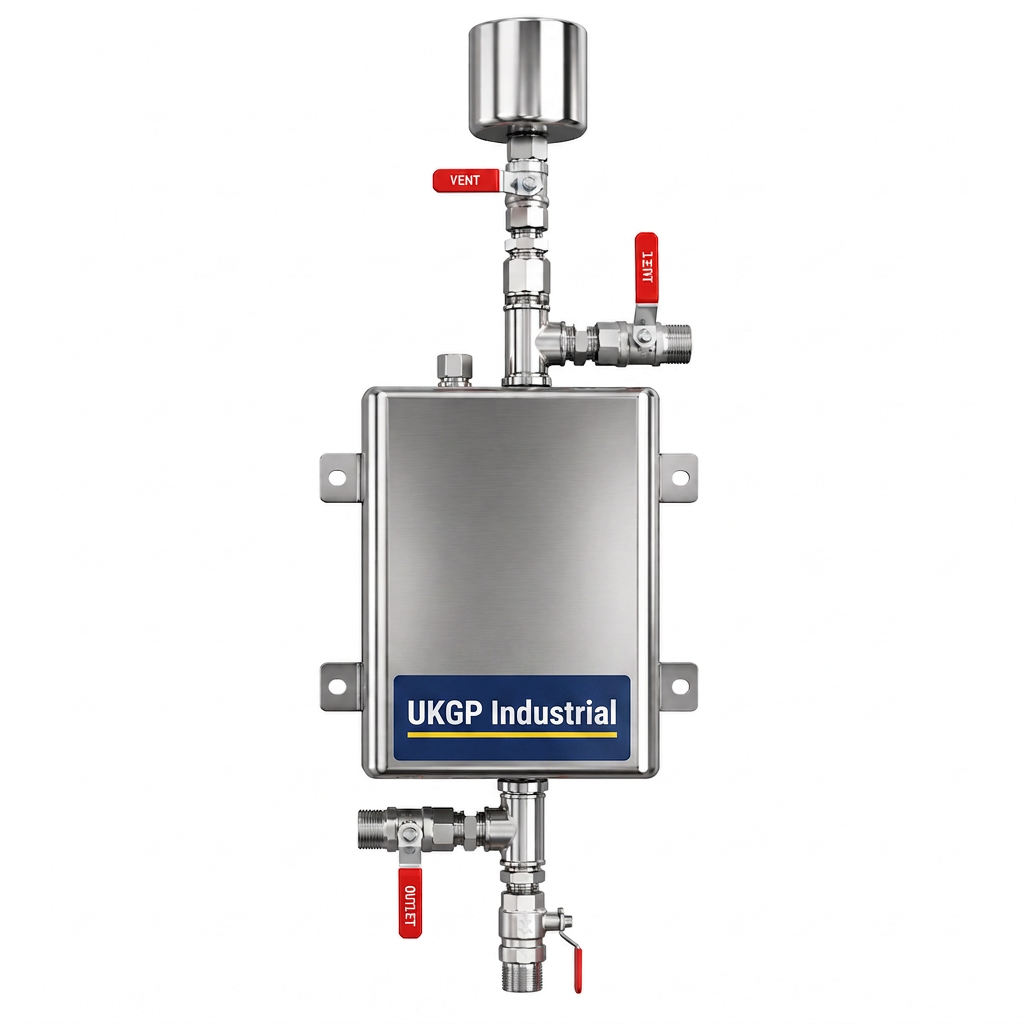
Our standard range covers the most common pipe sizes found in UK commercial systems, from DN50 up to DN100. Because our units are made to order, we can often accommodate specific orientation requirements or flange ratings that off-the-shelf imports simply cannot match. The lead time of 6-8 weeks is utilized to ensure that every manual or automatic brush-clean skid is pressure tested and finished to the highest industrial standards. When installing, it is vital to ensure that there is sufficient clearance for the removal of the internal brush assembly for periodic inspection—usually once a year during the main plant shutdown. We also recommend the installation of a dedicated chemical dosing pot upstream of the filter to allow for easy introduction of inhibitors and biocides as part of the total water treatment strategy.
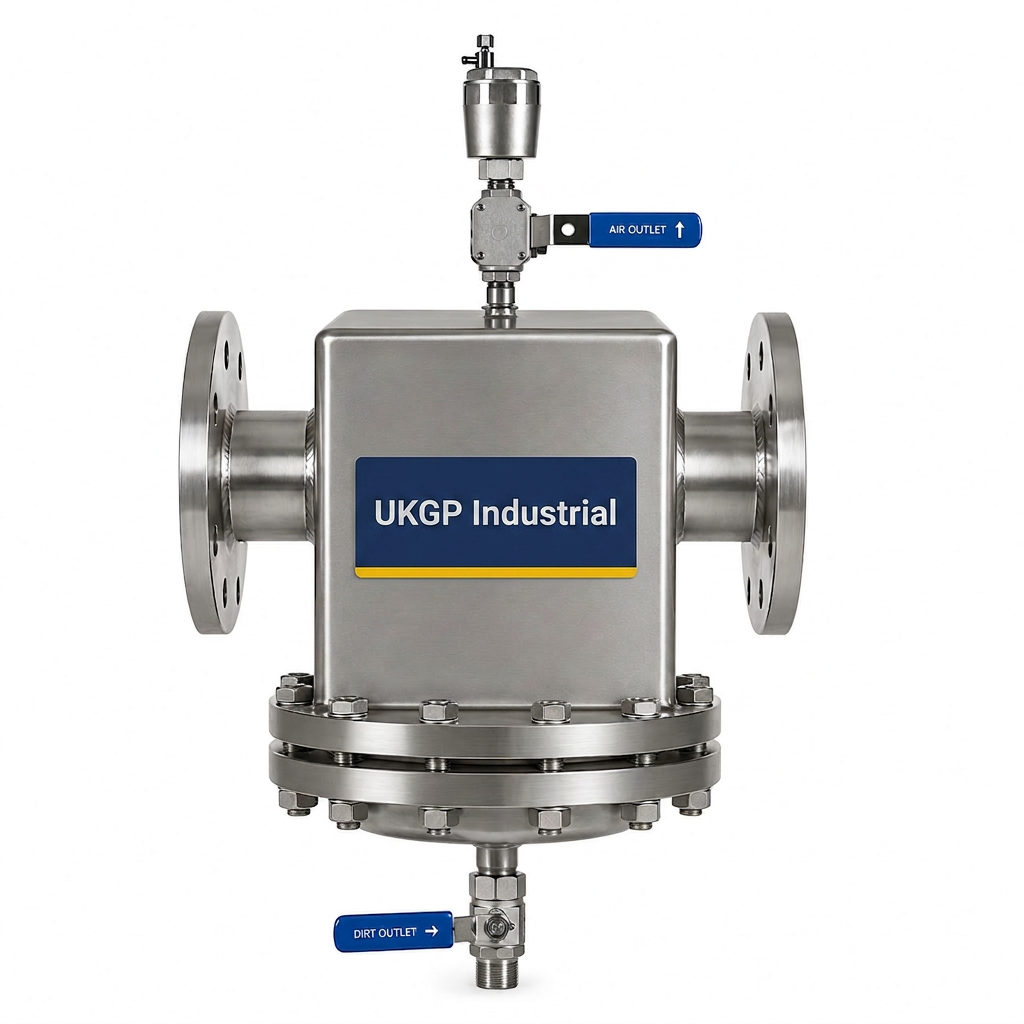
Procurement leads and M&E contractors value the transparency of our pricing and lead times. Knowing that a critical piece of water treatment equipment like a brush clean side stream filter will be delivered in 6-8 weeks allows for precise project planning and avoids the 'hidden costs' of project delays. With prices from £6,800+VAT and a 2-year warranty, UKGP Industrial stands behind the quality of our British-made skids. We provide full technical documentation and 3D CAD files to assist consultants in the design phase, ensuring the filtration system is perfectly sized for the building's peak load. Proper installation not only satisfies BSRIA requirements but also ensures that the system's plate heat exchangers and air & dirt separators can operate at their maximum efficiency without being compromised by circulating sludge.
- Compact footprint suitable for both new-build and complex retrofit installations.
- Designed to work with existing system pressure or as a pumped independent skid.
- Flanged connections from DN50 to DN100 for robust, leak-free integration.
- Easy access for annual internal inspections during scheduled maintenance.
The Impact of Filtration on Energy Efficiency
The relationship between water quality and energy efficiency is well-documented by CIBSE. A system that is plagued by suspended solids will inevitably suffer from reduced heat transfer rates. In a boiler, this means the burner must fire more frequently and at higher temperatures to achieve the desired flow temperature. In a chilled water system, the chiller must work harder to overcome the insulating effect of sludge on the evaporator coils. A brush clean side stream filter acts as an 'efficiency insurance policy' by ensuring that the heat transfer surfaces remain clean and conductive. By removing fine particulates that typically pass through a standard Y-strainer, the brush-clean system helps maintain the design Delta T of the plant, which is critical for the performance of modern condensing technology.
Beyond the heat transfer surfaces, particulate matter also increases the friction loss within the pipework. This forces the circulating pumps to consume more electricity to move the same volume of water. In larger UK developments, the energy savings achieved by maintaining a clean system can amount to thousands of pounds annually. This makes the £6,800+VAT starting price for a UKGP brush clean side stream filter a very attractive proposition for building owners focused on reducing their carbon footprint and operational costs. Furthermore, by preventing the erosion of valve seats and pump seals caused by abrasive particulates, the filter extends the maintenance intervals for all other mechanical components in the loop, further reducing the total cost of ownership and the likelihood of emergency call-outs.
At UKGP Industrial, we see the brush clean side stream filter as a cornerstone of modern sustainable building management. While traditional water treatment often relied solely on chemicals, the shift toward mechanical filtration is a more circular and environmentally friendly approach. Our 6-8 week lead time ensures you don't have to wait months for high-quality, Surrey-engineered equipment. Every skid we produce, from DN50 to DN100, is built to last with a 2-year warranty, reflecting our confidence in the design's ability to withstand the harsh conditions of a commercial heating system. For consultants looking to specify a system that genuinely delivers on its energy efficiency promises, a mechanical brush-clean filter is the most reliable choice available on the market today.
- Maintains optimal Delta T by keeping heat transfer surfaces free of insulating sludge.
- Reduces pump energy consumption by lowering friction and preventing blockages.
- Protects expensive energy-saving components like variable speed drives and ECM pumps.
- Contributes to BREEAM and LEED certifications through improved system efficiency.
Choosing the Right Specification for Your Project
Selecting the correct brush clean side stream filter involves more than just matching the pipe size. Engineers must consider the total system volume, the anticipated particulate loading, and the desired level of filtration (micron rating). At UKGP Industrial, we typically recommend a filtration rate that can handle the full system volume every 24 hours. This usually equates to approximately 5% to 10% of the total circulating flow. For a DN50 system, this might be a relatively small skid, whereas a DN100 system in a large-scale district heating scheme would require a far more substantial unit. Our made-to-order service allows us to provide the precise capacity required, ensuring that the filter does not become a bottleneck while still providing effective polishing of the entire loop.
Material selection is another critical factor. While our standard units feature high-grade stainless steel internals and robust carbon steel or stainless steel housings, we can accommodate specific requests for aggressive environments or pure water applications. The 2-year warranty we offer is a testament to the build quality of our Surrey-manufactured units. We understand that in the UK B2B sector, reliability and technical support are just as important as the hardware itself. That is why our filtration skids come with clear installation guides and ongoing support for FM teams. With prices starting at £6,800+VAT, we offer a commercially viable solution that bridges the gap between basic strainers and complex, high-maintenance filtration systems that are often overkill for standard commercial applications.
In summary, the brush clean side stream filter is the modern standard for closed-loop water maintenance. It provides the mechanical robustness needed to satisfy BSRIA BG50 while offering the operational simplicity that facilities managers crave. Whether you are dealing with a new build that needs to meet BG29 standards or an older system that is suffering from efficiency losses, UKGP Industrial has the engineering expertise to help. Our 6-8 week lead time and made-to-order flexibility mean we can deliver exactly what your project require, from DN50 to DN100. Don't let poor water quality undermine your mechanical design—invest in a UKGP filtration skid and ensure your system performs at its best for years to come. Reach out to our team today for a detailed technical quote and lead time confirmation.
- Expert sizing based on system volume and CIBSE flow rate recommendations.
- Multiple micron options (50 to 200) to suit specific system sensitivities.
- Surrey-manufactured with a focus on ease of maintenance and long-term durability.
- Competitive UK pricing from £6,800+VAT with a comprehensive 2-year warranty.
Frequently asked questions
What is the typical lead time for a brush clean side stream filter?
- Our side stream filtration skids are made to order in our Surrey facility. The typical lead time is 6-8 weeks from order to delivery, ensuring every unit is built to your specific project requirements.
Does a brush-clean filter require the system to be turned off for cleaning?
- No. One of the primary advantages of a brush clean side stream filter is that it allows for the cleaning of the internal screen while the system is under pressure and the flow is maintained, preventing any process interruption.
What size connections are available for UKGP filtration skids?
- We offer standard configurations from DN50 to DN100, though as our units are made to order, we can discuss bespoke requirements for larger or specialized applications.
How does this filter help with BSRIA BG50 compliance?
- BG50 requires the continuous removal of suspended solids in closed-loop systems. A brush-clean filter efficiently removes these particulates down to specific micron levels, ensuring the water remains within the clarity limits defined by the standard.
What is the warranty period for UKGP Industrial filtration units?
- We provide a comprehensive 2-year warranty on our brush clean side stream filter skids, covering manufacturing defects and ensuring long-term reliability for your plant room.