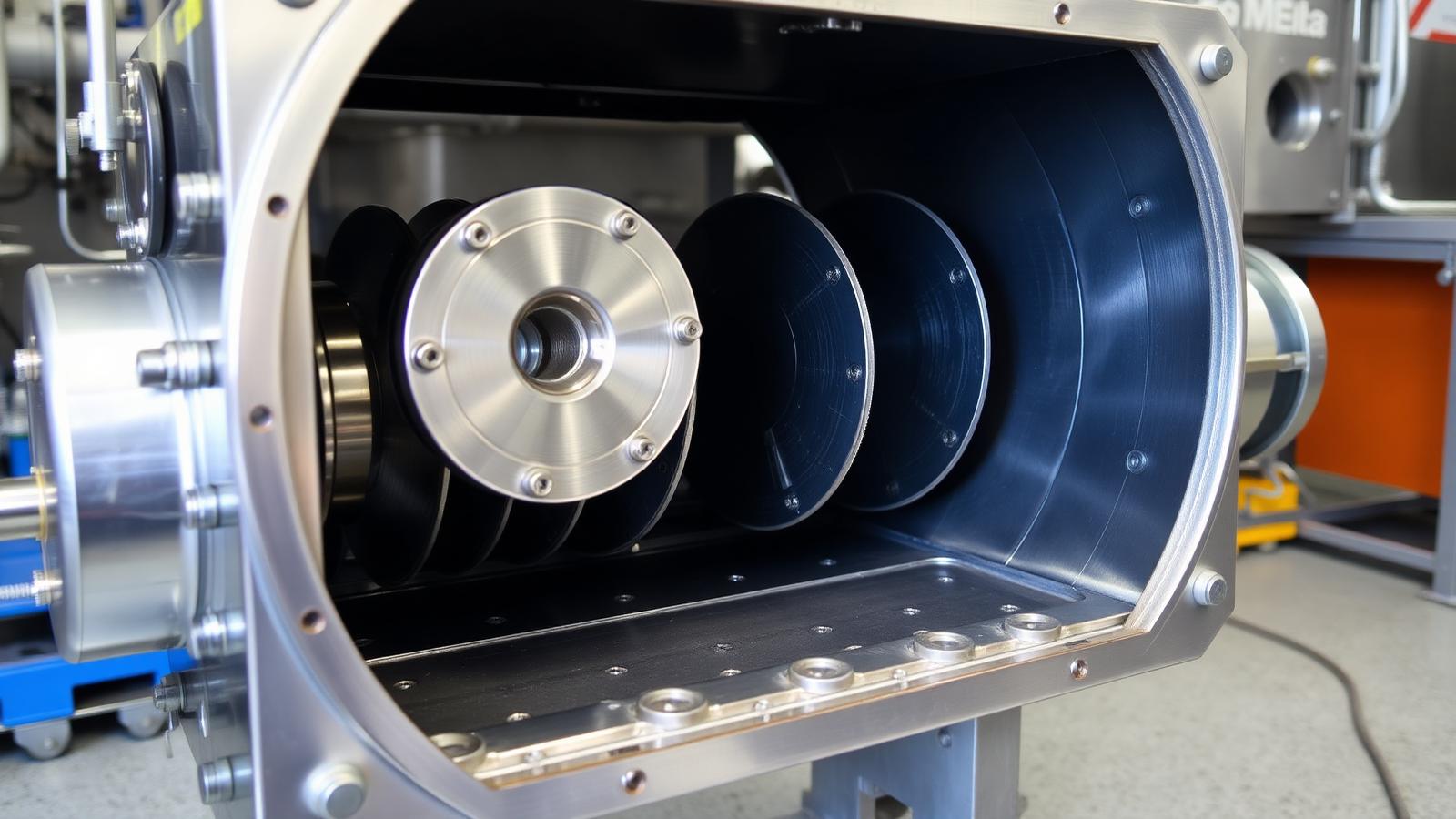
The Challenge of Brazed Plate Heat Exchanger Cleaning
Implementing an effective brazed plate heat exchanger cleaning protocol is arguably one of the most significant challenges for plant-room engineers and facilities managers across the UK. Unlike gasketed variants, brazed units are factory-sealed and cannot be dismantled for manual mechanical scrubbing. This design inherent to compact HVAC systems means that once internal fouling occurs, the thermal transfer efficiency is compromised. According to BSRIA BG50 guidelines, water quality management is the first line of defence, yet many UK systems suffer from calcium carbonate scaling or iron oxide sludge that eventually necessitates a chemical intervention. When the pressure drop across the unit exceeds design parameters, immediate action is required to avoid system failure.
The primary difficulty lies in the narrow flow paths between the stainless steel plates, which are susceptible to clogging from suspended solids. If a system has not been properly flushed according to BSRIA BG29 standards during commissioning, the brazed plate heat exchanger acting as a hydraulic interface will inevitably capture debris. This results in localized hot spots and reduced flow rates, which can destabilize the entire heating or cooling circuit. UKGP Industrial emphasises that prevention is cheaper than cure, yet when performance metrics dip, a structured Clean-In-Place (CIP) methodology becomes the only viable route to restoring the design DT (Delta T) across the primary and secondary circuits.
Commercial buildings in the UK, particularly those in hard water areas like London and the South East, face the highest risk of scale-induced efficiency losses. Without a proactive brazed plate heat exchanger cleaning strategy, the utility costs for running pumps harder to overcome resistance can spiral. It is also important to consider the metallurgy; typically, these units consist of 316L stainless steel plates brazed with copper. Choosing the wrong cleaning chemicals can lead to copper leaching or localized pitting. Therefore, identifying the exact nature of the fouling—be it biological, particulate, or mineral—is essential before selecting a chemical cleaning agent to ensure the structural integrity of the unit remains intact.
- Non-accessible internals require specialized chemical circulation.
- High sensitivity to suspended solids relative to shell-and-tube designs.
- Increased pressure drop typically indicates heavy internal scaling.
- Compliance with BSRIA BG50 is critical for longevity.
Chemical CIP Methods for Effective Maintenance
The most effective method for brazed plate heat exchanger cleaning in a B2B environment is the Clean-In-Place (CIP) cycle. This involves isolating the heat exchanger from the main loop and circulating a bespoke cleaning solution directly through the unit. For carbonate scales, a mild organic acid is typically employed, while alkaline cleaners are better suited for biological films or organic matter. The goal is to dissolve the fouling without degrading the copper brazing material. We recommend a reverse-flow approach, where the cleaning solution is pumped in the opposite direction to the standard operational flow. This back-flushing action helps to dislodge particulate matter stuck in the plate corrugations that a forward-flow cycle might miss.
While CIP is highly effective, it requires precise control over temperature and concentration. If the acid concentration is too high, you risk catastrophic failure of the unit; if it is too low, the brazed plate heat exchanger cleaning will be incomplete, and the scale will quickly regrow. In accordance with CIBSE CP1 standards for heat networks, maintaining a log of these cleaning intervals is vital for long-term asset management. For UK facilities managers, this process is often outsourced to specialist water treatment contractors who can provide the necessary certification and ensure that wastewater is disposed of according to local environmental regulations. Failure to document these interventions can lead to complications with insurance and health and safety audits.
During the cleaning process, engineers should monitor the pH of the effluent and the pressure at the pump. Once the pressure drop stabilizes and the pH remains constant, it indicates that the chemical reaction with the fouling layer is complete. Following the chemical stage, the unit must be neutralized and flushed thoroughly with demineralised water. This prevents residual acids from causing corrosion once the unit is reintroduced to the main system flow. At UKGP Industrial, we often find that systems incorporating a high-quality sidestream filter require significantly less frequent CIP interventions, as the bulk of the particulate load is removed before it can settle in the narrow heat exchanger channels.
- Reverse-flow circulation maximizes mechanical debris removal.
- Organic acids are preferred over harsh inorganic acids for copper safety.
- Post-cleaning neutralisation is mandatory to prevent corrosion.
- Monitoring pH and pressure provides real-time cleaning feedback.
Preventing Fouling with Side Stream Filtration
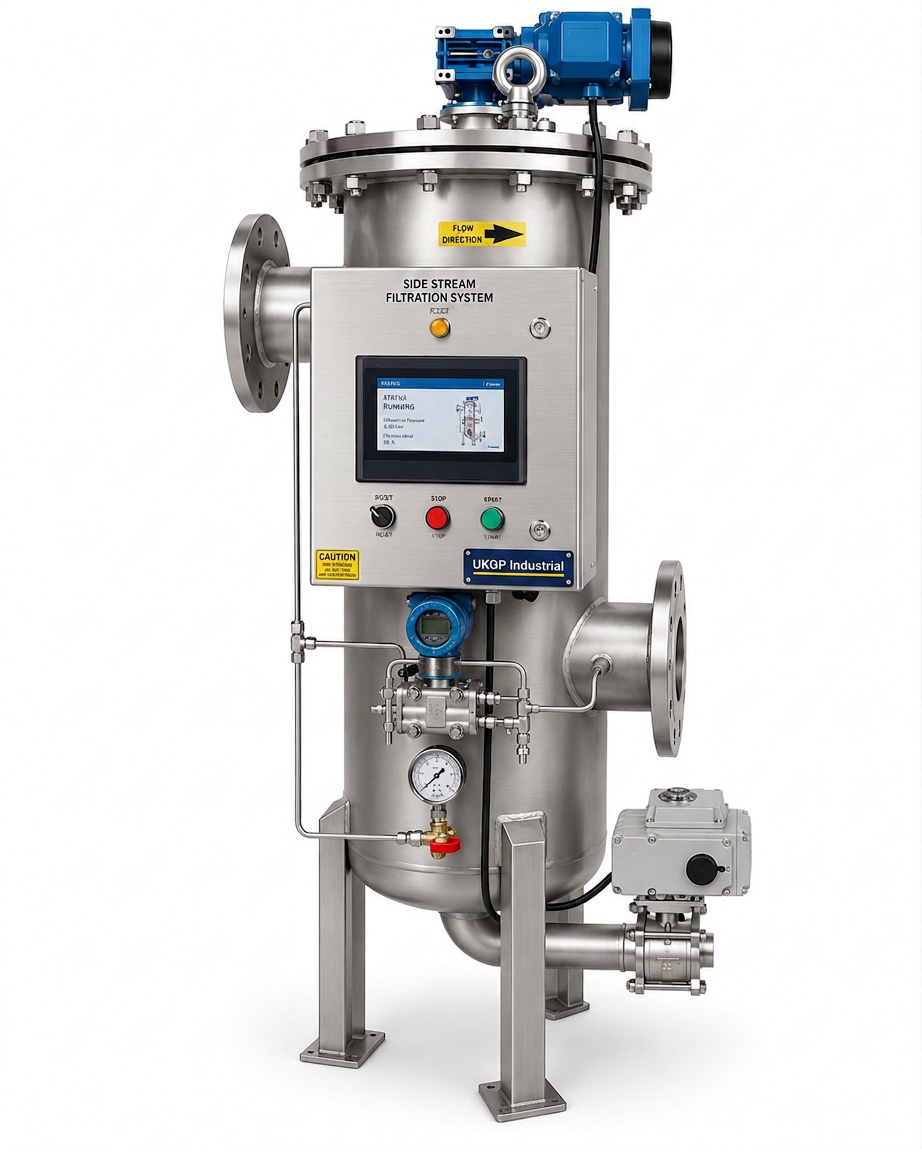
Integrating side stream filtration is the most robust way to extend the interval between brazed plate heat exchanger cleaning sessions. By targeting the fine iron oxides and suspended solids that circulate in UK closed-loop systems, these filters prevent the 'baking' of sludge onto heat transfer surfaces. BSRIA BG50 highlights that maintaining low levels of Total Suspended Solids (TSS) is non-negotiable for high-efficiency modern systems. Our UKGP side stream filtration skids are specifically designed for this purpose, providing a high-capacity solution that protects downstream components. With a lead time of 6-8 weeks and availability from DN50 to DN100 sizes, these units are a primary investment for any commercial boiler room or chiller plant aimed at long-term reliability.
The economic case for filtration is clear when considering the costs of brazed plate heat exchanger cleaning and potential downtime. A standard UKGP side stream filtration skid starts from £6,800+VAT, providing a made-to-order solution that includes a 2-year warranty for peace of mind. By continuously polishing 5-15% of the system volume, the skid ensures that debris concentrations never reach the thresholds that cause plate blockage. For M&E contractors and procurement leads, specifying these skids at the design stage or during a plant-room retrofit is a best-practice move that aligns with the latest CIBSE recommendations for heat network longevity. Reducing the particulate load directly correlates to a more stable DT and lower pumping energy.
When you consider that a fouled heat exchanger can lose up to 30% of its thermal efficiency within months of commissioning in a dirty system, the ROI on a filtration skid is often realized within the first two years of operation. Our skids are engineered in the UK to handle rigorous industrial and commercial demands, ensuring that your brazed plate heat exchanger remains clean and operational. Beyond the hardware, the inclusion of magnetic separation stages within our filtration units ensures that magnetite—the primary cause of pump and heat exchanger failure in the UK—is removed with surgical precision. This proactive approach is always superior to the reactive nature of emergency chemical cleaning and unit replacement.
- Standard UKGP skids available from DN50 to DN100 sizes.
- Reduces the frequency of costly chemical cleaning interventions.
- Provides 24/7 protection against magnetite and suspended solids.
- Starting from £6,800+VAT with a 2-year manufacturer warranty.
When to Replace vs. Clean Your Heat Exchanger
In some instances, brazed plate heat exchanger cleaning may no longer be cost-effective or physically possible. If a unit is completely blocked, the chemical solution cannot circulate, rendering CIP ineffective. In the UK market, where labour costs for specialized cleaning can be high, it is sometimes more economical to replace the unit entirely, especially for smaller models. A critical sign that replacement is necessary is the presence of internal cross-contamination. If the primary and secondary fluids are mixing, the internal plates have been breached, often due to erosion or acid-induced corrosion from improper past cleaning. In such cases, no amount of cleaning will restore the unit, and a replacement must be sourced immediately.
Procurement leads should balance the £600-£2,000 cost of a professional CIP service against the capital expenditure of a new brazed plate heat exchanger. For mid-to-large scale commercial units, cleaning is usually the preferred first step, but for smaller plate counts, the labour-to-asset value ratio often tips toward replacement. When replacing a unit, it is essential to investigate the root cause of the previous failure. If the cause was heavy scaling, then water treatment and side stream filtration must be addressed simultaneously with the new installation. Installing a new unit into a fouled system without hardware improvements like a UKGP dosing pot or filter is simply inviting a repeat of the failure.
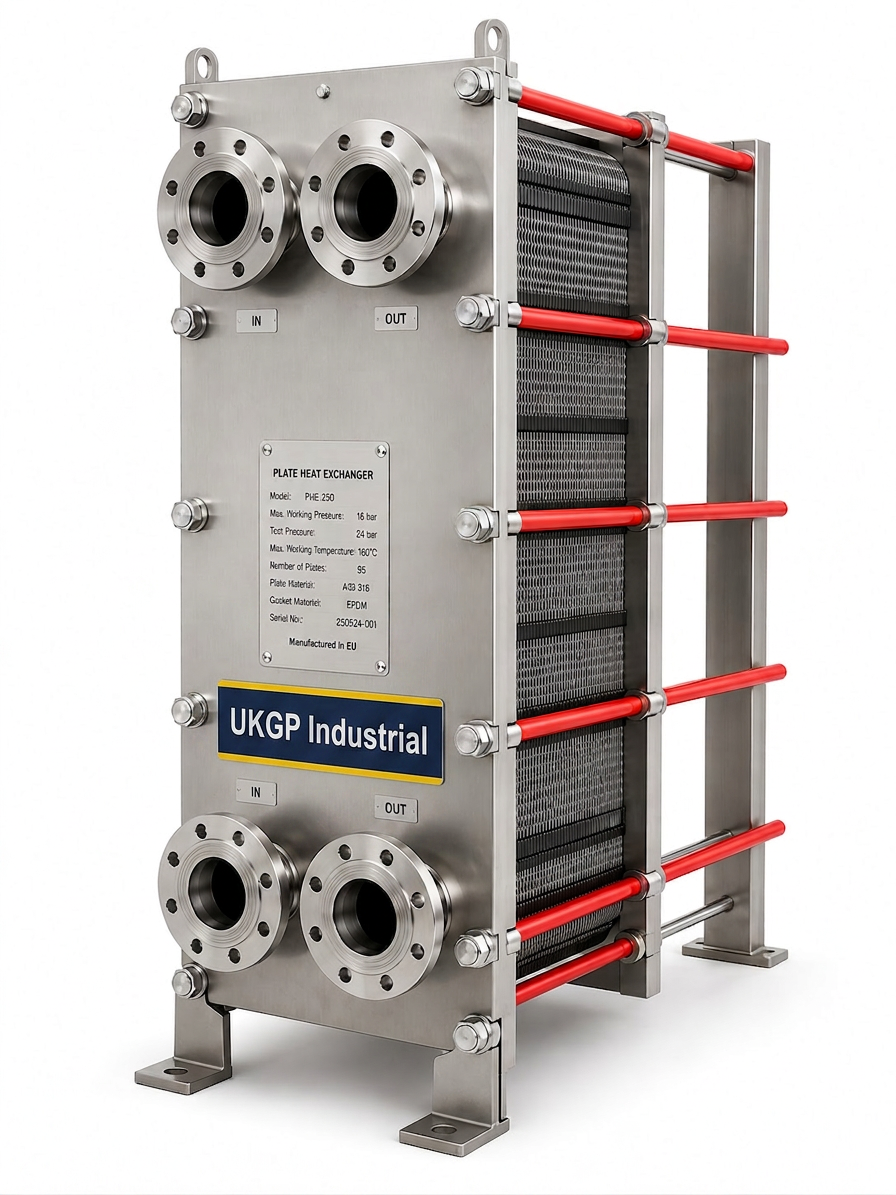
UKGP Industrial provides technically superior plate heat exchangers for various commercial applications. If your existing unit is beyond the help of a cleaning cycle, our team can specify a high-efficiency replacement that meets your exact duty requirements. We recommend that any new installation is accompanied by a full system flush as per BG29 to ensure the new asset starts its life in a clean environment. Furthermore, ensure that de-aeration and dirt separation are accounted for using high-quality air and dirt separators to prevent air-bound pockets which can accelerate localized scale formation. A holistic view of the plant room is the only way to escape the cycle of frequent heat exchanger failures and underperformance.
- Evaluate the cost of labour vs. the cost of a new replacement unit.
- Cross-contamination is a definitive signal for immediate replacement.
- Always address system-wide water quality when installing new units.
- Total blockages often prevent cleaning chemicals from reaching the core.
Optimising System Health with Dosing and Separation
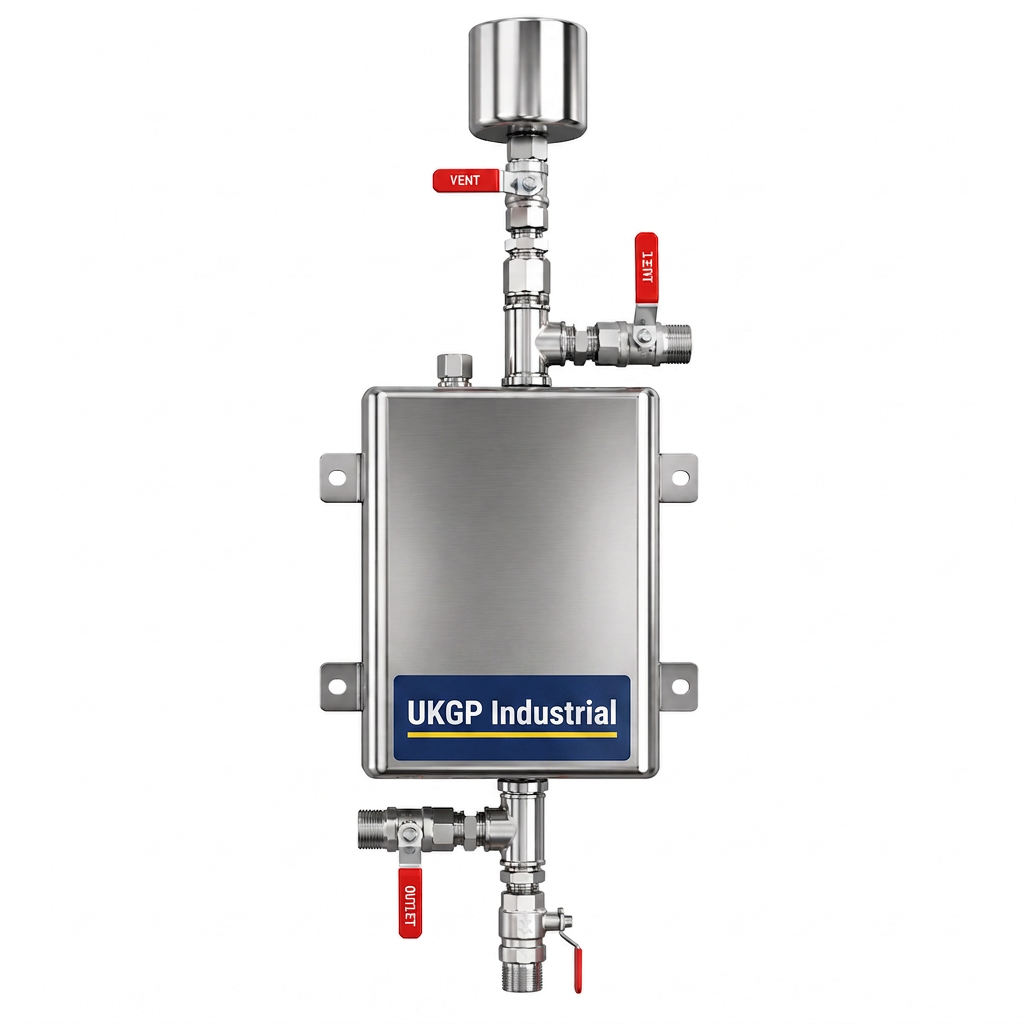
A successful brazed plate heat exchanger cleaning strategy is incomplete without considering the chemical balance of the system. Using a UKGP chemical dosing pot allows for the controlled introduction of corrosion inhibitors and biocides, which are essential for preventing the 're-fouling' of the heat exchanger after a CIP cycle. According to BS 8552, regular sampling and testing of the system water should dictate the dosing regimen. If the inhibitor levels drop, the risk of oxygen-driven corrosion increases, leading to a buildup of magnetite that will eventually clog the heat exchanger plates again. UK contractors should ensure that dosing is treated as a continuous maintenance task rather than a one-off event.
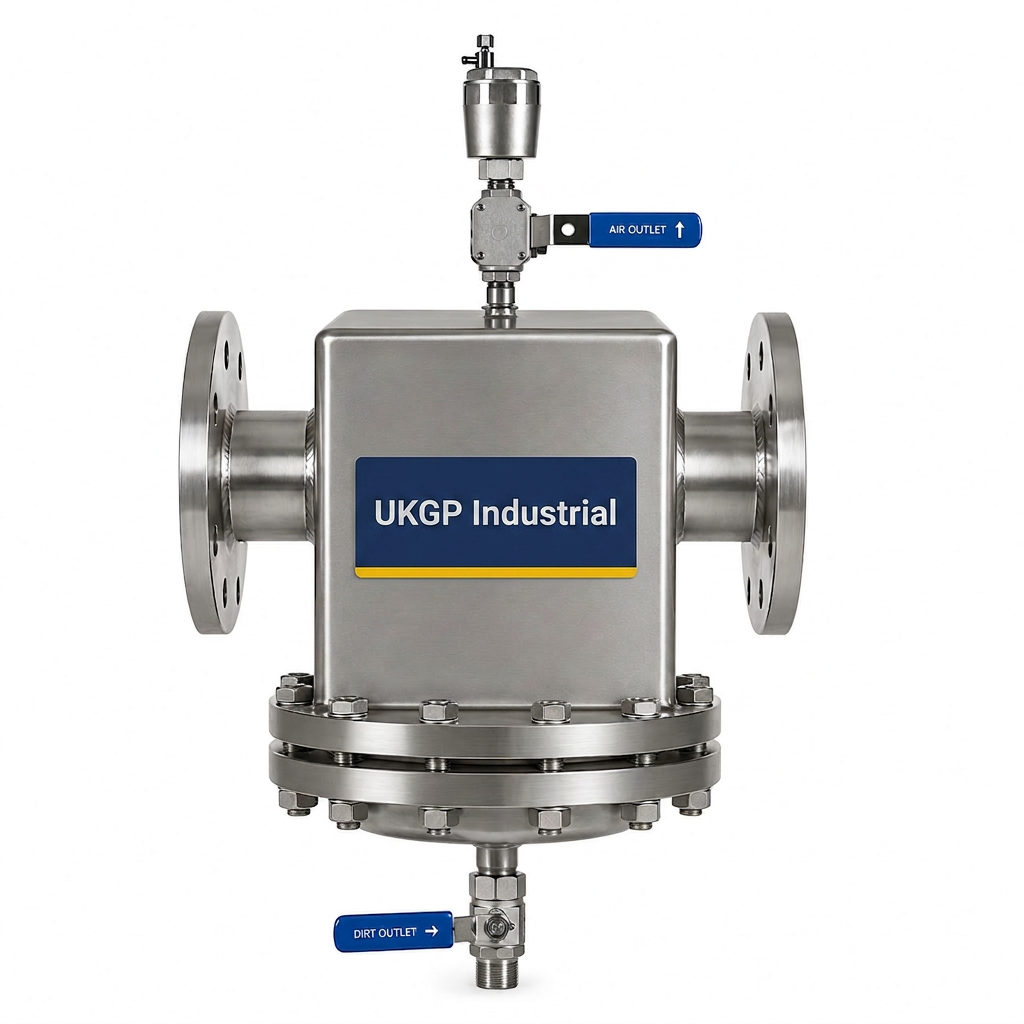
Combined with chemical dosing, the use of air and dirt separators is crucial. Microbubbles in the system can lead to oxidative corrosion, whereas suspended dirt can mechanically erode the thin plates of a brazed heat exchanger. By stripping these elements from the flow, you protect the thermal core of the system. In the UK, M&E contractors are increasingly seeing the benefits of installing these components in tandem with plate heat exchangers to safeguard the 20-year design life of the plant. At UKGP Industrial, we provide the full suite of plant-room ancillaries to support this goal, ensuring that the water entering your heat exchanger is as clean as possible.
Ultimately, the goal is to create a 'low-maintenance' environment where brazed plate heat exchanger cleaning is a rare necessity rather than an annual headache. This is achieved through a combination of mechanical separation, side stream filtration, and chemical management. If you are currently facing high pressure drops or poor heat transfer in your Surrey or London-based facility, it is time to audit your water treatment hardware and consider a UKGP filtration skid. With lead times of 6-8 weeks and UK-based technical support, we can help you stabilize your system's performance and significantly reduce the lifetime cost of your HVAC assets.
- Chemical dosing pots enable precise control of corrosion inhibitors.
- Separation of air and dirt prevents localized erosion and oxidation.
- Compliance with BS 8552 ensured through consistent water sampling.
- Reduced particulate load equals higher heat transfer efficiency.
The Technical Specification of Cleanable Systems
When specifying systems that require brazed plate heat exchanger cleaning, engineers must include service valves and bypasses in their designs. Without these, isolating the heat exchanger for a CIP cycle becomes a major plumbing operation involving system drain-downs, which is both expensive and disruptive. A properly designed plant room should allow for the connection of a CIP pump skid directly to the heat exchanger ports. This technical foresight is what separates a high-quality UK installation from a standard one. It is also advisable to specify units with slightly larger plate gaps if the system water quality is known to be sub-optimal, although this does come at the cost of a larger footprint.
Regular monitoring is the final piece of the puzzle. By installing temperature and pressure gauges on both the primary and secondary inlets and outlets, FMs can track the performance of the heat exchanger in real-time. A gradual increase in the approach temperature (the difference between the primary inlet and secondary outlet) is a clear indicator that a brazed plate heat exchanger cleaning is overdue. In the context of the UK’s drive for Net Zero, maintaining these units at peak efficiency is no longer optional; it is a critical component of carbon reduction strategies for commercial buildings and district heating networks.
In summary, while brazed plate heat exchanger cleaning is a more complex task than cleaning gasketed units, it is perfectly achievable through professional chemical circulation. By following BSRIA BG50 guides and utilizing British-made UKGP filtration and dosing equipment, you can ensure your heat exchangers deliver reliable service for years. For units that are already compromised, consider our range of side stream filtration skids, starting from £6,800+VAT, to prevent future occurrences. Our team is ready to provide bespoke quotes for made-to-order skids and heat exchangers to fit your specific DN50 to DN100 pipework requirements.
- Service valves and bypasses are essential for CIP accessibility.
- Real-time monitoring of approach temperature identifies fouling early.
- Efficient heat exchange is vital for UK commercial carbon targets.
- UKGP technical support provides bespoke solutions for Surrey projects.
Frequently asked questions
How often should I perform brazed plate heat exchanger cleaning?
- Frequency depends on system water quality and the presence of filtration. In systems without side stream filtration, annual inspections are recommended, whereas systems compliant with BSRIA BG50 may only require cleaning every 3-5 years.
Can I use hydrochloric acid for cleaning brazed units?
- No. Hydrochloric acid can be too aggressive for the copper brazing material and can cause rapid failure. Always use a recommended organic acid or a safe chemical agent specifically rated for 316L stainless steel and copper.
What is the typical lead time for a UKGP filtration skid?
- Our side stream filtration skids are made to order with a standard lead time of 6-8 weeks, ensuring you get a unit that fits your specific DN50 to DN100 pipework requirements.
What are the costs associated with filtration skids?
- Pricing for a UKGP side stream filtration skid starts from £6,800+VAT. This is a commercial-grade solution designed to prevent the scale and sludge that necessitate frequent heat exchanger cleaning.
Does your equipment come with a warranty?
- Yes, all UKGP Industrial side stream filtration skids and heat exchangers come with a 2-year warranty, reflecting our confidence in UK manufacturing and engineering quality.