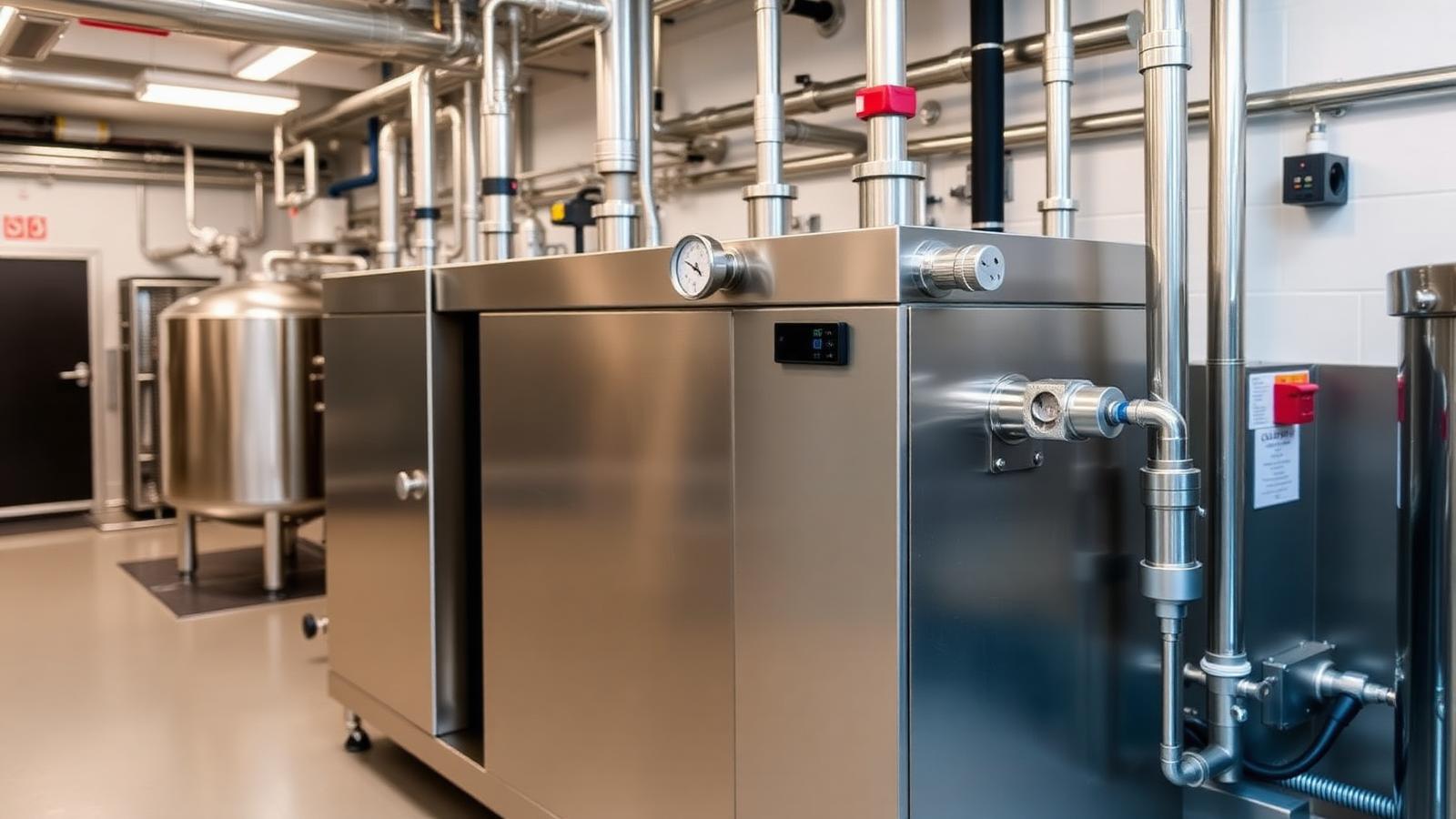
The Role of BMS Side Stream Filtration in Water Quality
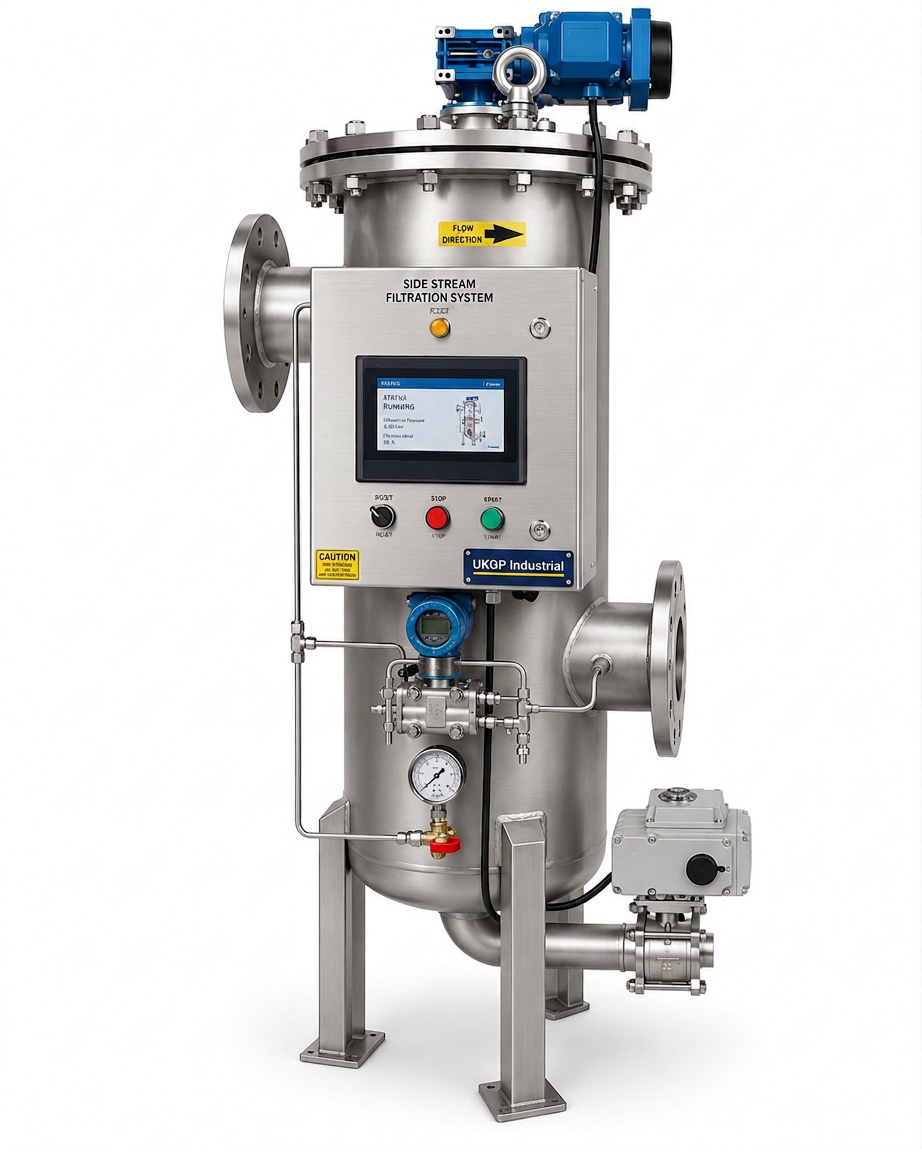
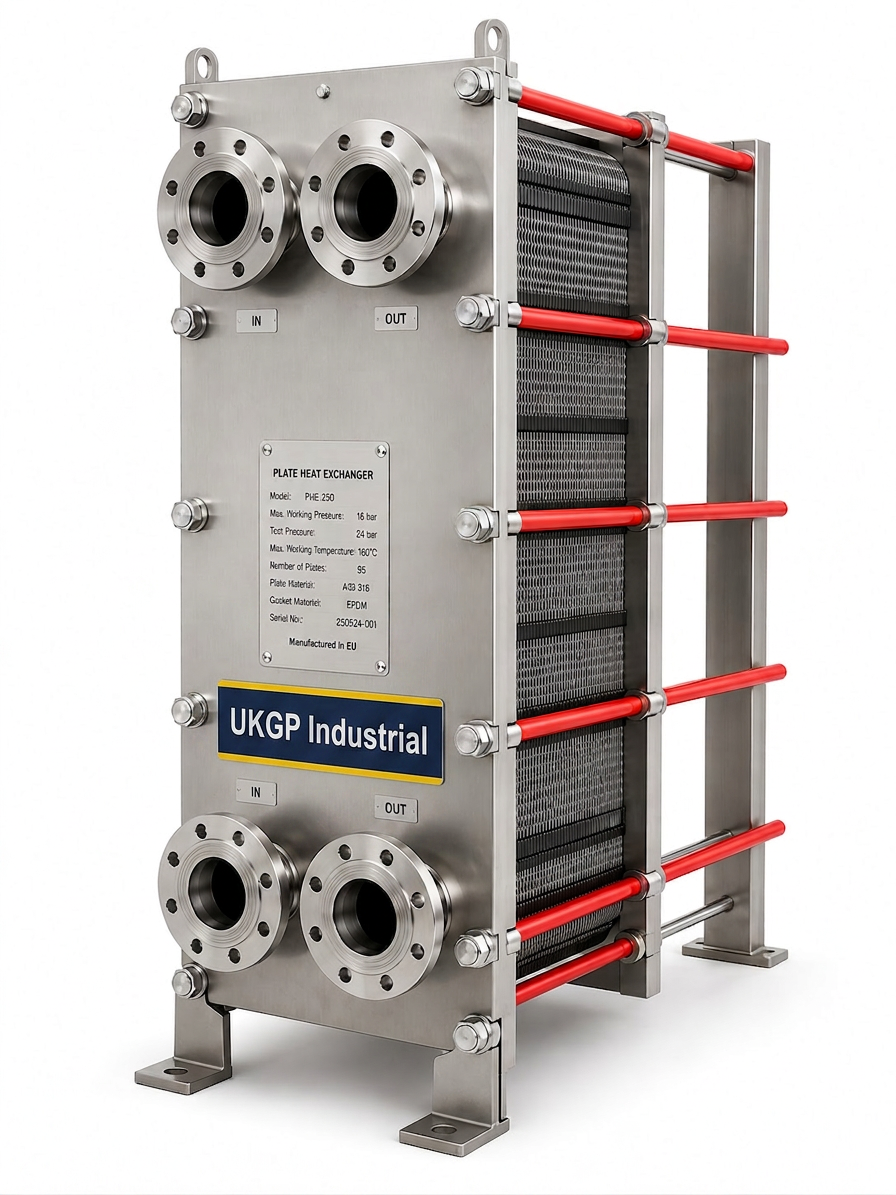
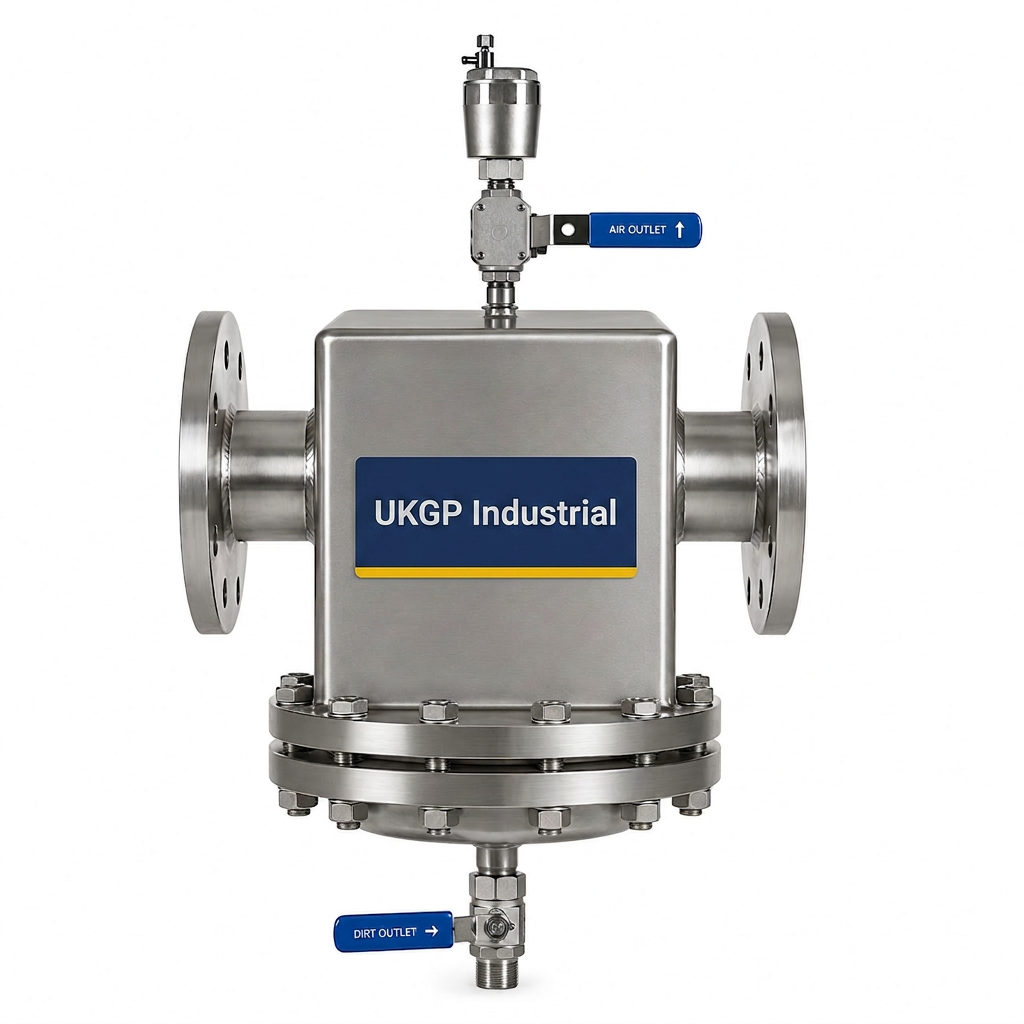
In the UK building services sector, the transition from reactive maintenance to proactive monitoring is largely driven by the adoption of sophisticated Building Management Systems (BMS). When we discuss bms side stream filtration, we are looking at the critical interface between physical water treatment and digital oversight. High-velocity heating and cooling circuits are prone to magnetite buildup and suspended solids, which compromise the efficiency of plate heat exchangers and control valves. By integrating these filtration units into a central BMS, plant-room engineers can receive immediate notifications when the pressure drop across the filter media exceeds pre-set thresholds, indicating a saturated state that requires manual intervention or a backwash cycle.
Adhering to BSRIA BG50 'Water Treatment for Closed Heating and Cooling Systems' is essential for any facility manager or M&E contractor aiming to extend the lifecycle of their plant. The document highlights the importance of keeping suspended solids to a minimum, and a connected side stream filtration unit provides the data log required to prove system stability over time. UKGP Industrial designs skids specifically to facilitate this communication, using dry contact signals or Modbus protocols to relay status updates. This ensures that the water quality remains within the parameters defined by BS 8552, preventing the corrosive environments that lead to premature pipework degradation and high insurance premiums.
Without proper bms side stream filtration monitoring, a filtration unit might sit in a bypass state or with a fully blocked filter for months without being noticed. This lack of visibility nullifies the capital investment in water treatment technology. By ensuring your filtration skid is smart-ready, you can transition to a data-led maintenance schedule. This approach reduces the frequency of unnecessary site visits while ensuring that critical faults are addressed within hours rather than weeks. Our current UKGP skids are made to order with a standard 6-8 week lead time, ensuring your specific BMS requirements—whether they be basic volt-free contacts or complex data strings—are integrated at the point of manufacture.
- Real-time pressure differential monitoring for filter replacement alerts.
- Compliance with BSRIA BG50 and BG29 water quality standards.
- Reduced man-hours through remote status verification of pump sets.
- Early detection of pump failure or loss of flow within the side stream loop.
- Historical data logging to identify seasonal trends in system debris.
Technical Requirements for Alarm Integration
Integrating a filtration skid into a local BMS architecture requires a clear understanding of the input/output (I/O) requirements at the design stage. Most UK building services consultants specify a minimum of a 'Common Fault' alarm, but more granular data is often preferred for high-value commercial properties. A robust bms side stream filtration strategy includes monitoring for pump trip, high pressure, and low flow conditions. These signals are typically wired back to an outstation using 2-core screened cable for volt-free contacts. This allows the BMS head-end to display high-level graphics showing the live status of the filtration skid, which is particularly useful in sprawling sites like hospitals or campuses where physical plant access is restricted.
When specifying a side stream filtration skid from UKGP Industrial, it is vital to consider the electrical interface of the control panel. Our skids, ranging from DN50 to DN100, are built with high-quality components designed for 24/7 industrial duty. They provide the necessary terminal points for straightforward integration with systems like Trend, Siemens, or Honeywell. By choosing a made-to-order solution, contractors can ensure the skid's control logic matches the building's operational requirements. For example, some sites require the filtration pump to shut down upon a BMS 'System Off' signal, while others prefer the filtration to run independently to maintain water clarity even during low-demand periods.
The commercial implications of ignoring BMS integration for water treatment are significant. A 'blind' system may suffer from massive energy loss as the heat transfer surfaces become fouled with sludge. By using bms side stream filtration alerts, maintenance teams can intervene the moment a fault is detected, such as a tripped MCB or a burst seal. This proactive stance is why many UK procurement leads now prioritise smart-enabled skids. With UKGP providing a 2-year warranty on all British-made filtration units, the long-term reliability of the system is backed by high-spec manufacturing, with pricing starting from £6,800+VAT depending on the required flow rates and specific BMS interface modules required.
- Standard volt-free contacts for common fault and run status.
- Analogue 4-20mA or 0-10V outputs for precise pressure monitoring.
- Integration with Modbus or BACnet for comprehensive telemetry.
- IP-rated control panels suitable for harsh plant room environments.
- Remote start/stop capability to align with building occupancy schedules.
Critical Alarms: Preventative Action and Downtime Mitigation
High-priority alarms within a bms side stream filtration setup are designed to protect both the filtration equipment and the wider HVAC network. A high-differential pressure alarm is perhaps the most common, indicating that the filter bag or cartridge has reached its capacity for particulate capture. Under BSRIA BG50 guidelines, maintaining low levels of Total Suspended Solids (TSS) is non-negotiable for system longevity. If this alarm is ignored, the filtration efficiency drops to zero, and the system begins to collect debris in 'dead-legs' or areas of low flow. Integrating this alarm allows the system to send an automated email or SMS to the duty engineer, ensuring the filter media is changed promptly.
Another vital alarm is the pump health status. Because side stream filtration relies on an secondary pump to draw water from the main return, a pump failure can go unnoticed if there is no flow monitoring. A bms side stream filtration link can identify a 'no-flow' condition despite a 'run' command being active. This indicates a mechanical failure, such as a seized impeller or a broken coupling. For M&E contractors, having this data available remotely means they can arrive on-site with the correct spare parts, significantly reducing the Mean Time to Repair (MTTR) and ensuring the client's water quality remains within the specified BS 8552 parameters for closed loops.
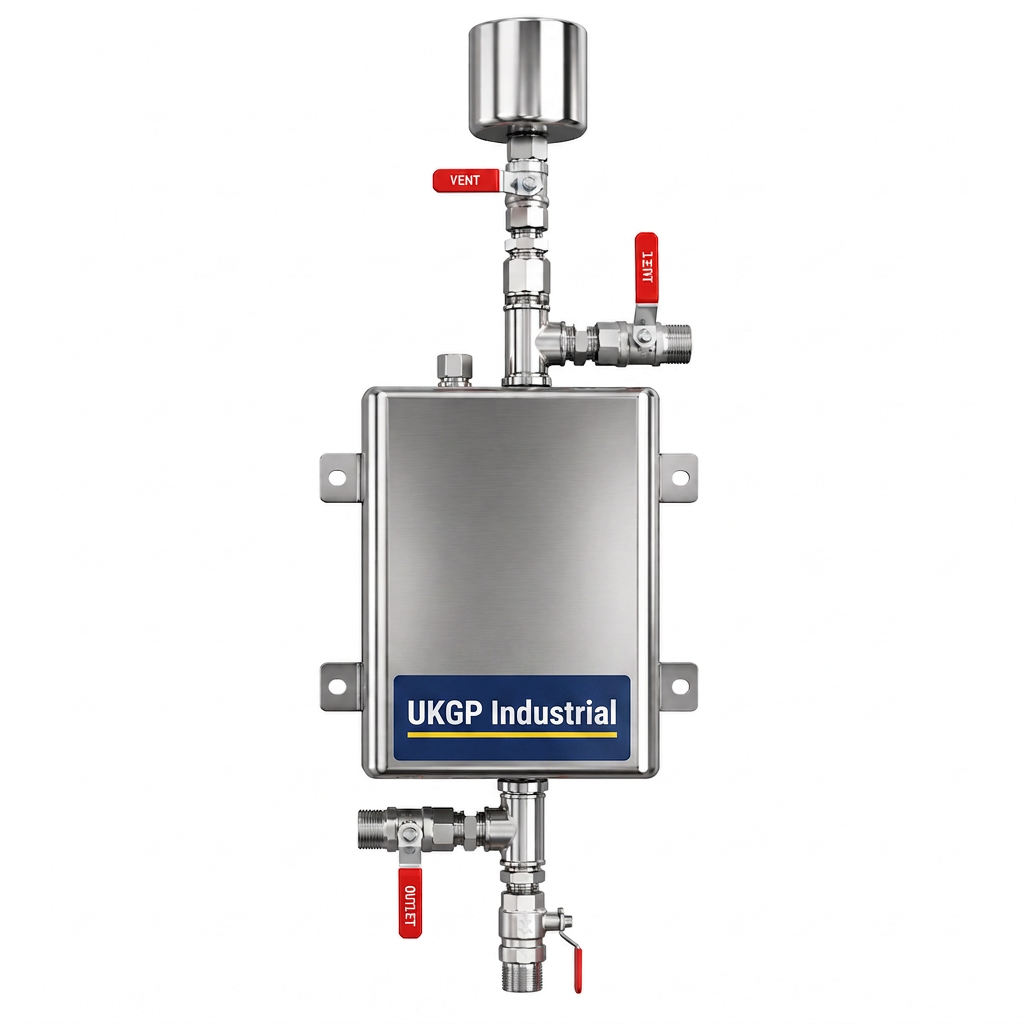
Beyond mechanical failure, BMS monitoring can also track the chemical dosing levels if integrated with a combined skid solution. While side stream filtration removes physical particles, chemical balance is equally important for corrosion inhibition. UKGP Industrial offers tailored solutions that can combine filtration with chemical dosing pots to provide a comprehensive water treatment station. Ensuring these critical components communicate with the BMS avoids the traditional 'fit and forget' mentality which so often leads to system failure. With lead times of 6-8 weeks for custom-built skids, now is the time to review your plant room specifications to include high-resolution monitoring for all water treatment assets.
- Digital flow switches to verify the presence of active filtration.
- Thermal overload protection alerts for pump motor safeguarding.
- Differential pressure switches for automated filter change-out notification.
- Leak detection sensors around the skid base for flood prevention.
- Integration with central alarm management for 24/7 site monitoring.
Optimising Energy Efficiency via BMS Control
Energy efficiency is a top priority for UK building managers, especially with rising utility costs and carbon reduction targets. A bms side stream filtration system can contribute to these goals by ensuring that pumps only run when necessary. For instance, sensors can detect the water turbidity levels, allowing the BMS to modulate the filtration rate or pause the operation once the water has reached the target clarity. This demand-based filtration significantly reduces the electrical consumption of the 230V or 400V pumps used in the skid. Without BMS integration, most units run 24/7 at fixed speeds, leading to unnecessary wear and higher than required energy bills for the end-user.
Furthermore, the indirect benefits of 'clean' water monitored via BMS are immense. Clean water ensures that plate heat exchangers (PHEs) operate at their designed thermal efficiency. Even a 1mm layer of magnetite on a heat exchanger plate can reduce thermal transfer by as much as 10%, forcing the primary boilers or chillers to work harder to achieve the same temperature setpoints. By utilizing bms side stream filtration data to maintain pristine water conditions, the overall Carbon Reduction Commitment (CRC) performance of the building is improved. This makes a clear commercial case for the initial investment in a high-quality UKGP skid starting from £6,800+VAT, as the ROI is realised through both energy savings and reduced maintenance.
The standardisation of data via CIBSE technical guides also points towards increased automation. As we move toward the Fourth Industrial Revolution (Industry 4.0) in building services, the ability to trend performance data becomes a competitive advantage for FM providers. A well-integrated bms side stream filtration unit provides the necessary data points to calculate the Total Cost of Ownership (TCO) of the HVAC system. UKGP’s technical team works closely with consultants to provide the specific sensor data required for these complex calculations, ensuring that our made-to-order units are not just filters, but intelligent nodes in a building's digital ecosystem.
- Variable Speed Drives (VSD) controlled via BMS to optimize flow.
- Reduced thermal fouling on heat transfer surfaces through cleaner water.
- Automated reporting for ISO 50001 energy management compliance.
- Decreased carbon footprint via intelligent pump runtime scheduling.
- Lower peak demand on the building's electrical infrastructure.
Installation and Commissioning of Smart Skids
The installation phase of a bms side stream filtration unit is critical to its long-term performance. It is not enough to simply plumb the unit into the pipework; the electrical and control commissioning must be handled with equal care. UKGP Industrial skids are delivered ready for connection, but the integration with the site-wide BMS must be verified by a qualified controls engineer. This includes checking that the volt-free contacts change state correctly and that the BMS head-end interprets the 'Normally Open' or 'Normally Closed' signals accurately. Failure to commission these points correctly can lead to false alarms or, more dangerously, a failure to report a genuine system outage.
During commissioning, it is also standard practice to set the baseline pressure for the filter media. As specified in BSRIA BG29, the pre-commission cleaning phase often generates a large volume of debris which can quickly blind a new filter. Using a bms side stream filtration setup during this phase allows contractors to see exactly how quickly the filters are filling, providing an objective measure of the system's cleanliness progress. Post-commissioning, the alarm setpoints should be refined to ensure that they are sensitive enough to be useful but robust enough to avoid nuisance tripping. UKGP provides a 2-year warranty on our manufacture, giving installers peace of mind that the hardware is built to last through the rigorous commissioning process.
For procurement leads and M&E contractors, planning for this integration starts at the tender stage. Ensuring that the specification includes 'BMS capable' side stream filtration is key to avoiding costly retrofits later. With UKGP’s lead times of 6-8 weeks, there is ample opportunity to coordinate between the filtration supplier and the controls contractor. This collaborative approach ensures that when the skid arrives on-site, the wiring diagrams match the BMS outstation plans. Investing in a properly integrated system from the start—with pricing typically starting from £6,800+VAT—is the most cost-effective way to ensure long-term compliance with UK building standards and CIBSE recommendations.
- Pre-delivery testing of all control panel signals at the UKGP factory.
- Coordination with controls contractors for seamless site integration.
- Step-by-step commissioning checklists for BMS signal verification.
- Baseline data capture for future performance comparison.
- In-depth documentation and wiring diagrams provided with every skid.
Long-Term Compliance and Warranty with UKGP
Long-term reliability is the cornerstone of UKGP Industrial’s philosophy. When you invest in bms side stream filtration, you are not just buying a piece of equipment; you are securing the future of your building's HVAC infrastructure. Our skids are manufactured in the UK, using high-grade materials and robust pumps designed for the specific pressures and temperatures of commercial systems. By providing a 2-year warranty, we demonstrate our confidence in the build quality of our units, ranging from DN50 to DN100. This warranty is particularly valuable for Facility Managers who need to guarantee the uptime of critical cooling or heating services in high-stakes environments.
Compliance with BS 8552 and BSRIA standards is a continuous process, not a one-time event. The data provided by a bms side stream filtration interface allow you to generate the necessary reports for audits and ESG (Environmental, Social, and Governance) disclosures. Having a digital record of water quality maintenance proves that the building is being managed to the highest professional standards. This is essential for maintaining the value of the asset and for ensuring that manufacturer warranties on other plant room equipment, such as boilers and chillers, remain valid, as these often require proof of water quality maintenance.
To get started with an upgraded filtration strategy, we encourage consultants and engineers to request a bespoke quote. Every plant room has unique constraints, and our made-to-order approach ensures that the skid fits your footprint and your control logic. Whether you are refurbishing an existing plant room or designing a new-build project, our team provides the technical expertise to ensure your water treatment is fully integrated and smart-ready. Contact UKGP today to discuss your requirements for side stream filtration and experience the benefit of UK-based manufacturing and expert support for your next project.
- British-made quality for reliable, long-term plant room duty.
- Comprehensive 2-year warranty on all skid components and controls.
- Expert technical support for UK building services professionals.
- Fast response times for parts and service within the UK mainland.
- Custom designs tailored to specific CIBSE and BSRIA project requirements.
Frequently asked questions
What are the common BMS signals for side stream filtration?
- The most common signals are common fault (volt-free contact), run status, and high-differential pressure across the filter. Advanced systems may also include pump health monitoring, flow rate (L/s), and water turbidity levels via Modbus or BACnet.
How does bms side stream filtration help with BG50 compliance?
- BSRIA BG50 requires ongoing monitoring of water quality in closed systems. BMS integration provides a continuous data log showing that the filtration unit is active and that TSS levels are being managed, which is essential for audit trails.
What is the typical lead time for a UKGP filtration skid?
- Our side stream filtration skids are made to order with a lead time of 6-8 weeks. This allows us to customise the control panel and BMS interface to your specific project requirements.
Can older filtration units be retrofitted with BMS alarms?
- Yes, it is possible to retrofit sensors and a new control panel to older units, though it is often more cost-effective to replace ageing plant with a modern, high-efficiency skid that includes a 2-year warranty and native BMS connectivity.
What size filtration skids does UKGP provide?
- We provide skids ranging from DN50 to DN100 as standard, with bespoke sizes available upon request. These are designed to handle the flow rates of most UK commercial and industrial HVAC systems.