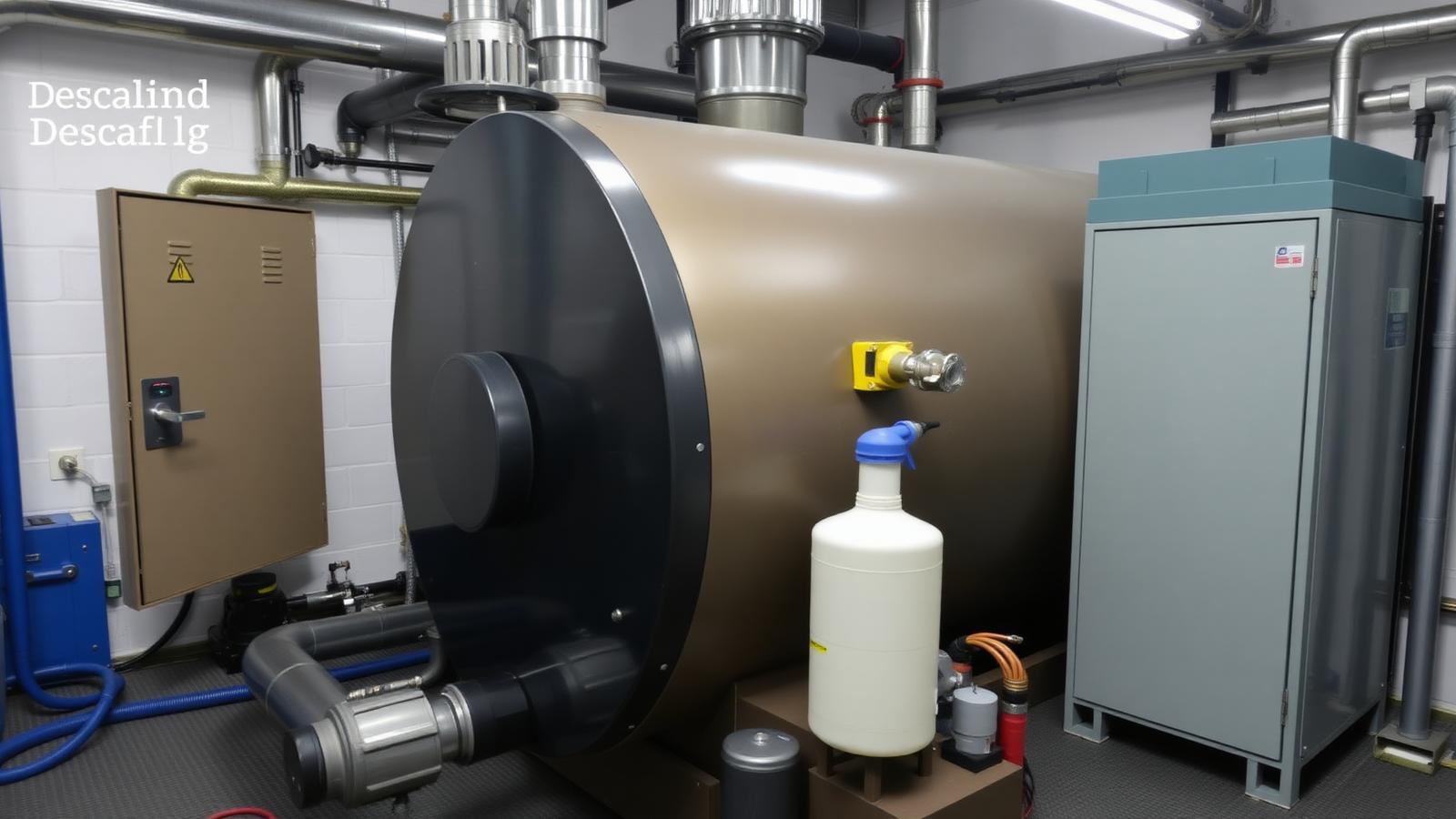
Identifying the Best Commercial Boiler Descaler for UK Systems
When sourcing the best commercial boiler descaler, engineering teams must distinguish between reactive acid-based flushes and preventative chemical inhibitors. In hard water areas like South East England, calcium carbonate builds up rapidly on heat exchanger surfaces, creating an insulating layer that forces the boiler to work harder. The most effective descaling agents are typically inhibited sulphamic or phosphoric acids, which are formulated to dissolve limescale without aggressively attacking the base metals of the boiler, such as stainless steel or aluminium. It is essential to match the chemical composition of the descaler to the specific metallurgy of your heat exchanger to avoid pitting or pinhole leaks during the cleaning process.
Choosing the best commercial boiler descaler is only half the battle; the application method is equally critical for commercial-scale installations. A professional power flush or a targeted circulator pump application ensures that the descaling solution reaches every internal plate or tube. Following the application, the system must be thoroughly neutralised and flushed to remove any residual acidity, as per BSRIA BG29 guidelines for pre-commissioning and ongoing cleaning. Failure to neutralise the system can lead to secondary corrosion, which often proves more damaging than the original scale build-up. Always consult the manufacturer's safety data sheets (MSDS) to verify compatibility with existing seals, gaskets, and pump internals before commencing a full-system chemical intervention.
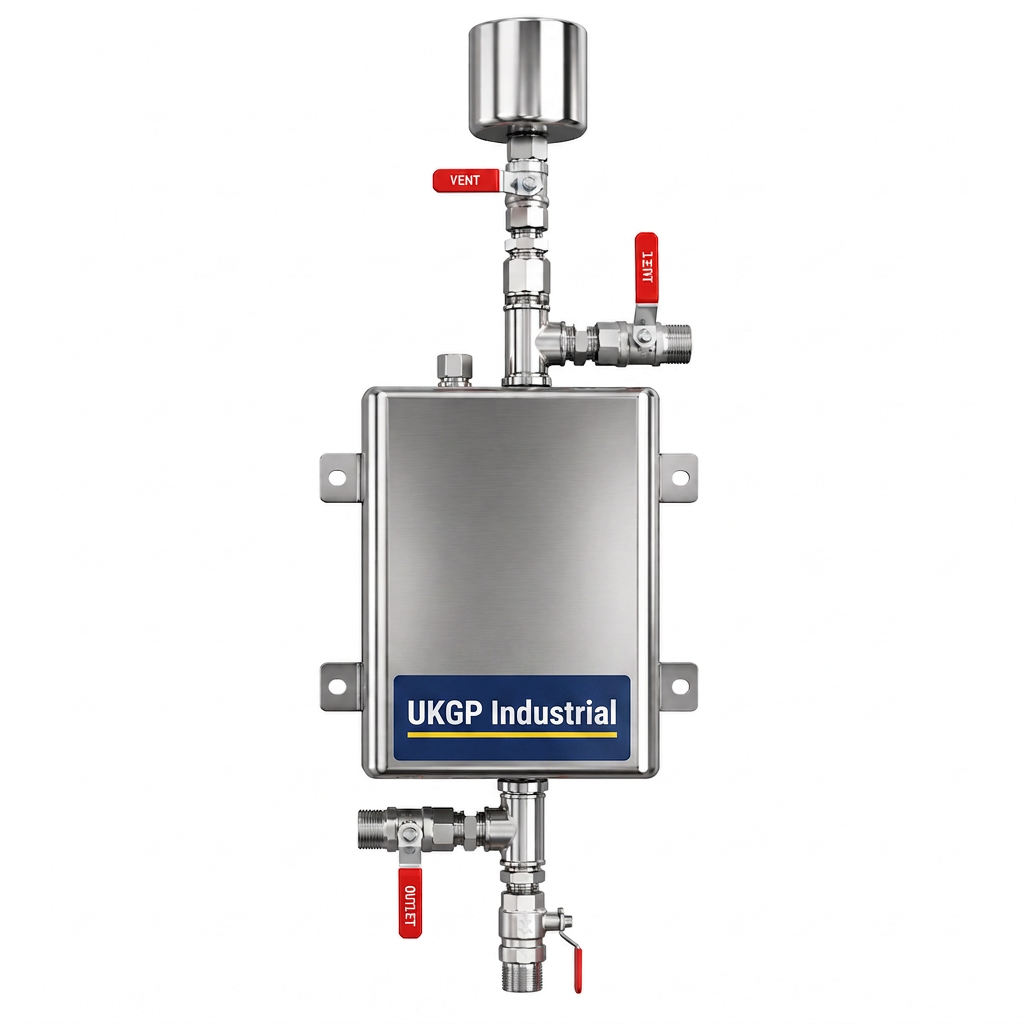
Precision in chemical dosing is the cornerstone of effective boiler descaling and long-term protection. Simply pouring a descaler into a system without monitoring concentrations often leads to suboptimal results. Industry professionals rely on UKGP chemical dosing pots to introduce these agents safely and accurately into the primary circuit. By using a dedicated dosing pot, engineers can ensure the best commercial boiler descaler or subsequent corrosion inhibitors are distributed evenly without introducing large volumes of oxygenated fresh water. Proper dosing, combined with regular water analysis under BS 8552, allows facility managers to maintain a stable chemical environment that inhibits future scale formation and preserves the high thermal conductivity required for energy-efficient operation in complex commercial buildings.
- Inhibited acid cleaners for safe calcium carbonate removal.
- Neutralising agents to stabilise pH levels post-descaling.
- Compatibility with aluminium and stainless steel heat exchangers.
- Alignment with BSRIA BG29 and BG50 maintenance standards.
- Integration via high-quality stainless steel dosing pots.
The Role of Side Stream Filtration in Scale Prevention
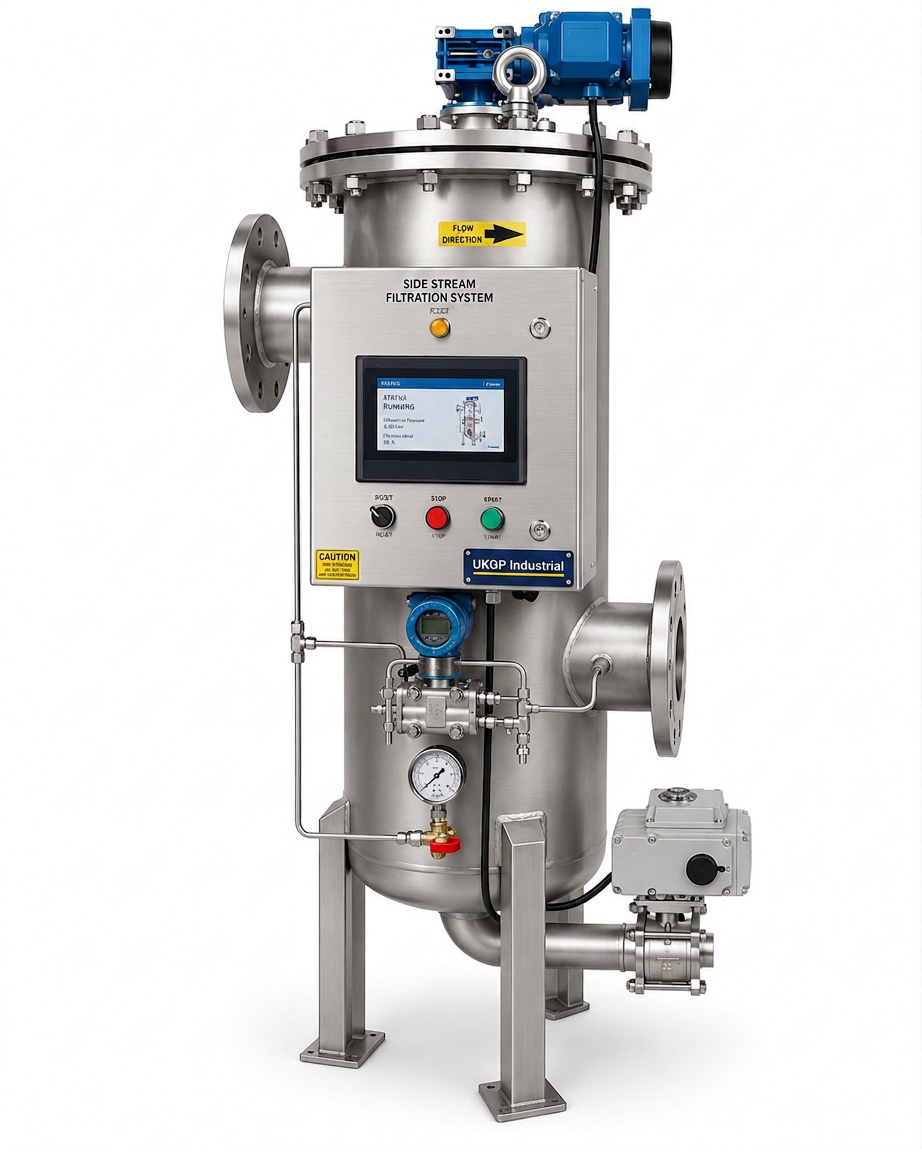
While reactive descaling is vital for restoring performance, the most cost-effective strategy is to prevent scale and magnetite accumulation through continuous side stream filtration. Even the best commercial boiler descaler cannot fix a system that is constantly being re-contaminated by poor water quality. UKGP side stream filtration skids are designed to process a portion of the system volume, removing suspended solids and preventing the sediment that often acts as a precursor to scale bonding. By maintaining ultra-clean water, the efficacy of chemical inhibitors is significantly enhanced, as they are not 'used up' by reacting with loose debris. This proactive approach is recommended by CIBSE and BSRIA BG50 as a standard for modern plant room management.
UKGP offers robust side stream filtration solutions that are made to order in our Surrey facility, typically with a 6-8 week lead time. These units are specifically engineered for the demands of UK commercial heating circuits, ranging from DN50 to DN100 pipe sizes. Starting from £6,800+VAT, these skids provide a sophisticated alternative to basic magnetic filters, incorporating high-efficiency pumps and fine-micron filtration bags or cartridges. Investing in a UKGP skid, which comes with a comprehensive 2-year warranty, ensures that once you have used the best commercial boiler descaler to clean your system, it stays clean. This reduces the frequency of intrusive chemical flushes and extends the operational life of expensive plant assets like plate heat exchangers and boiler blocks.
For procurement leads and M&E contractors, specifying a side stream filtration unit is a mark of long-term commercial awareness. Beyond just removing scale-forming minerals, these units tackle the 'black sludge' or magnetite that plagues older UK heating systems. A UKGP side stream filter operates while the system is live, meaning there is no downtime required for the cleaning process. This is a critical advantage for hospitals, schools, and care homes where 24/7 heating availability is non-negotiable. By integrating these skids, you create a self-cleaning circuit that maintains the design efficiency of the boiler, ensuring that the initial investment in high-efficiency condensed boilers is not wasted due to rapid fouling and thermal degradation.
- Continuous removal of magnetite and suspended solids.
- UKGP skids available in DN50 to DN100 configurations.
- Starting cost of £6,800+VAT with a 2-year warranty.
- Made to order in Surrey with 6-8 week lead times.
- Reduces reliance on frequent chemical descaling interventions.
BSRIA BG50 and the Technical Standards for Scale Management
Operating a commercial boiler system in the UK requires strict adherence to BSRIA BG50, which provides definitive guidance on water treatment for closed heating and cooling systems. The standard emphasises that using the best commercial boiler descaler is only one part of a wider water quality management plan. If a system is found to have significant scale, it suggests a failure in the initial pre-treatment or a constant ingress of raw, untreated water through leaks. BG50 encourages the use of water meters on fill lines to track water makeup, as every litre of new water introduces fresh calcium into the system. High levels of scale can increase fuel consumption by over 10%, making compliance with BSRIA standards a matter of fiscal responsibility as much as technical necessity.
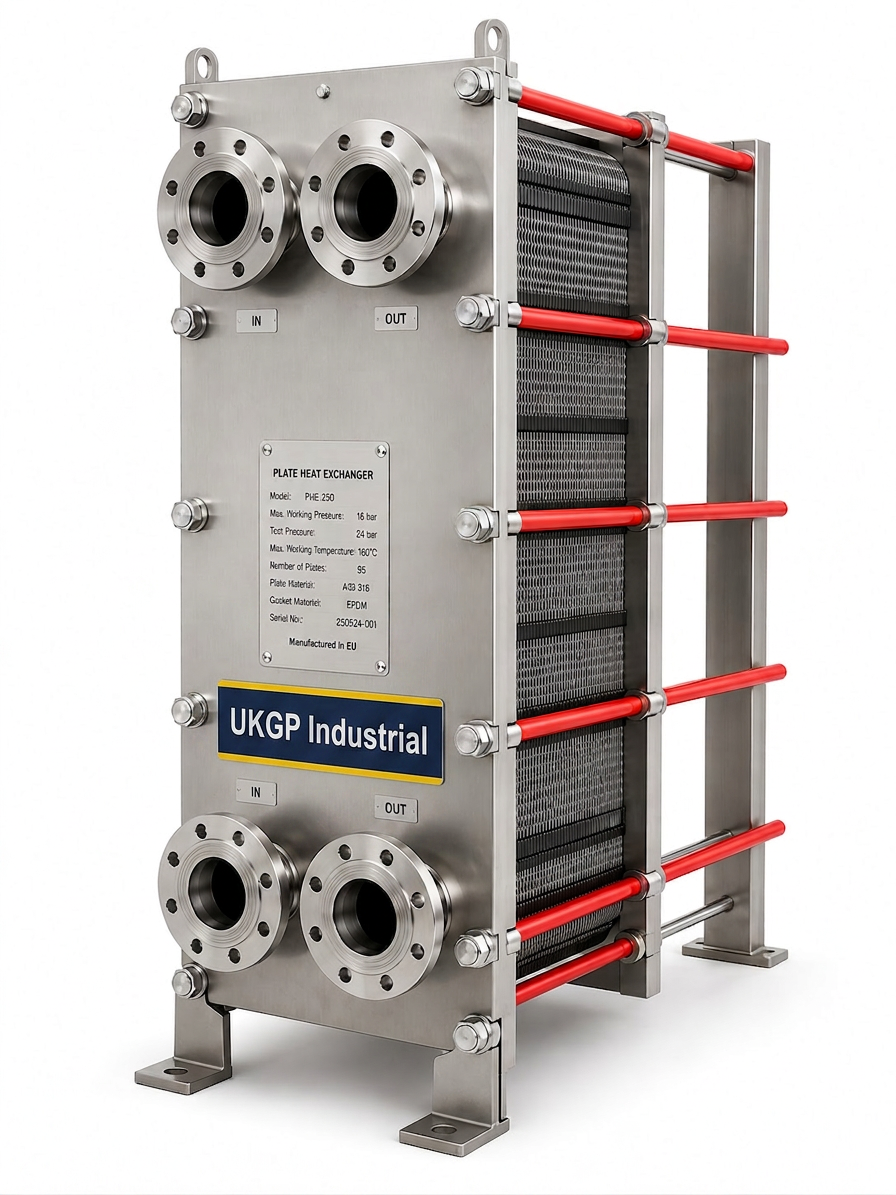
To satisfy a BSRIA-compliant maintenance regime, engineers must perform regular water testing and maintain a log of chemical dosages. If the best commercial boiler descaler is used, the system must then be passivated to protect the freshly exposed metal surfaces. This is often where UKGP plate heat exchangers come into play; by hydraulically separating the boiler circuit from the rest of the building's secondary pipework, you can limit the volume of water that requires intensive chemical treatment. This 'sealed' primary loop is much easier to keep scale-free, as it is protected from the potential debris and leaks present in older, larger radiator circuits. It is a strategic move that simplifies maintenance and ensures the boilers operate within their peak thermal efficiency windows.
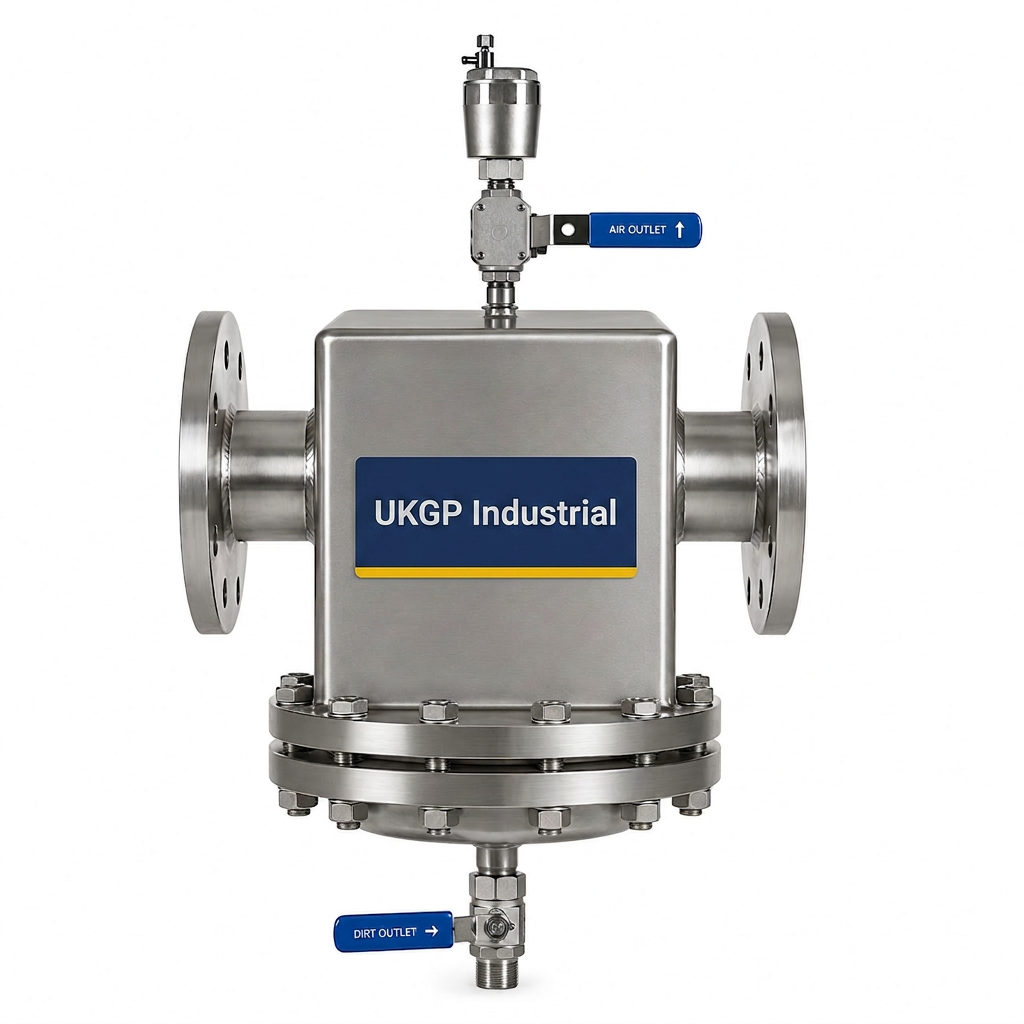
In addition to chemical monitoring, physical protection via air and dirt separators is mandated for a 'best practice' plant room. These devices help remove microbubbles and heavy particles before they can settle onto heat transfer surfaces. When combined with the best commercial boiler descaler during a maintenance cycle, these components ensure that the heat transfer remains optimal. If you are currently facing high pressure drops or reduced heat output, it is likely that your system requires a comprehensive review involving both chemical cleaning and the installation of modern filtration hardware. Our team in Surrey can advise on the correct sizing of separators and skids to suit your specific flow rates and system volumes.
- Mandatory water quality logging under BSRIA BG50.
- Passivation of metal surfaces following acid descaling.
- Hydraulic separation using plate heat exchangers for protection.
- Importance of air and dirt separators in preventing fouls.
- Fuel savings achieved by maintaining a scale-free system.
Signs Your Boiler Requires Immediate Descaling
The first indicator that you need the best commercial boiler descaler is usually an audible one. 'Kettling' or loud banging noises within the heat exchanger occur when water becomes trapped behind a layer of scale, turns to steam, and then collapses. This process creates significant mechanical stress on the boiler components and can lead to thermal shock. If you notice these sounds, it is essential to act quickly. A fouled boiler will also show an increased flue gas temperature (FGT), as the heat being generated is not being effectively transferred to the water but is instead being lost out of the chimney. Monitoring FGT is a professional way to quantify the need for a descaling procedure before a complete lockout occurs.
Another tell-tale sign is a decreasing delta T (temperature difference) across the boiler flow and return. While this can be caused by various flow issues, in a system with consistent pump speeds, it often points to a reduction in heat transfer efficiency caused by scale. When you research the best commercial boiler descaler, look for products that offer a colour-change indicator; these change hue once the acid has been exhausted or the scale has been successfully dissolved, taking the guesswork out of the cleaning timeframe. This transparency is vital for FM contractors who need to provide proof of service and efficiency restoration to their clients, ensuring the boiler returns to its commissioned performance levels.
Pressure fluctuations and frequent venting of air can also suggest that scale is disrupting the internal hydraulics of the system. Scale is rarely uniform; it often creates turbulent flow patterns that can lead to localized boiling and gas liberation. If your expansion bellows are frequently compensating for rapid pressure spikes, it may be time to investigate the internal condition of the boiler. Using the best commercial boiler descaler in conjunction with a full system audit will often reveal that the core issue is poor water conditioning. By correcting the water chemistry and installing a UKGP side stream filtration skid, you eliminate the root cause, ensuring these symptoms do not return after the initial cleaning is complete.
- Kettling sounds indicating localized boiling behind scale.
- Increased flue gas temperatures indicating poor heat transfer.
- Decreased Delta T across the boiler's primary circuit.
- Pressure spikes and mechanical stress on expansion bellows.
- Colour-indicator acids for verifying descaling progress.
The Commercial Case for Professional Water Treatment
For procurement leads, the choice of the best commercial boiler descaler must be balanced against the total cost of ownership. While a high-quality descaler may have a higher upfront cost than generic acids, the reduction in labor time and the safety it affords the boiler's internal components provide a better return. Poor quality chemicals can damage the gaskets in plate heat exchangers or the flexible liners in expansion vessels, leading to secondary costs that far outweigh the savings on the chemical itself. Our Surrey-based technical team often speaks with engineers who have learned this the hard way, emphasizing that professional-grade solutions are the only way to safeguard high-value UK plant room equipment.
Similarly, the commercial impact of a boiler failure in a B2B environment is catastrophic. Whether it is a hotel losing revenue or a factory stopping production, the downtime cost is immense. Therefore, using the best commercial boiler descaler as part of a planned preventative maintenance (PPM) schedule is an insurance policy. UKGP assists facility managers by providing the hardware necessary to keep chemicals circulating correctly. Our dosing pots and side stream skids are built to survive the harsh environments of industrial plant rooms, featuring high-grade stainless steel and robust valving. When you order a UKGP skid for £6,800+VAT, you are investing in a system that makes your choice of descaler and inhibitor work more effectively for years to come.
Efficiency is no longer just about performance; it is about carbon footprint and sustainability. A scaled boiler consumes more gas to reach the same setpoint, increasing the building's carbon emissions. In the current UK regulatory climate, where ESG (Environmental, Social, and Governance) targets are paramount, maintaining a clean system using the best commercial boiler descaler is a low-hanging fruit for carbon reduction. By combining the right chemicals with a UKGP side stream filtration unit (available on a 6-8 week lead time), you ensure that your boilers operate at their highest possible SEDBUK rating, reducing both fuel bills and the environmental impact of your facility's heating infrastructure.
- Total cost of ownership vs. upfront chemical pricing.
- Impact of boiler downtime on commercial business continuity.
- Protection of ancillary equipment like expansion vessels.
- Reduction of carbon footprint through restored efficiency.
- Long-term ROI of UKGP side stream filtration investment.
Implementing a Permanent Solution with UKGP Hardware
Once the immediate problem of scale has been solved with the best commercial boiler descaler, it is time to look at the permanent hardware configuration. A critical addition to any large-scale boiler room is a UKGP side stream filtration skid. These units are manufactured in the UK and specifically designed to meet the rigorous standards of British building services. With options for DN50 through to DN100 connections, they can be retrofitted into existing plant rooms or designed into new builds. The ability to clean the filter media without shutting down the entire heating system makes them a favorite for maintenance engineers who need to keep the plant running while maintaining water quality to BSRIA BG50 standards.
The procurement process for these units is straightforward. UKGP provides a 2-year warranty on all side stream filtration skids, with a typical lead time of 6-8 weeks from order. Starting at £6,800+VAT, these skids are a made-to-order solution that provides peace of mind for site managers and building owners alike. The use of premium components ensures that the unit itself does not become a maintenance burden. When paired with our high-capacity chemical dosing pots, you have a complete system for both the physical removal of debris and the chemical management of scale and corrosion, ensuring that the best commercial boiler descaler is rarely needed in the future.
Ultimately, the health of your commercial boiler depends on a holistic approach. It is not just about the chemicals; it is about the circulation, the filtration, and the separation of air and dirt. UKGP products are designed to work in synergy with the best commercial boiler descaler products on the market. By controlling the environment inside the pipework, you extend the life of your boilers and ensure that your heating system remains a reliable asset rather than a constant source of emergency call-outs. Contact our Surrey office today for a technical consultation or a quote on our range of filtration and dosing solutions to permanently protect your commercial heating investment.
- Retrofit compatibility for existing UK plant rooms.
- Made-to-order skids with 6-8 week lead times.
- Technical support from our expert Surrey-based team.
- Comprehensive 2-year warranty on all UKGP skids.
- Synergy between chemical treatments and physical filtration.
Frequently asked questions
What makes a descaler the 'best' for commercial use?
- The best commercial boiler descaler is one that is specifically inhibited to protect the system's metallurgy (like stainless steel or aluminium) while efficiently dissolving calcium carbonate. It should be compliant with BSRIA BG29 and easy to neutralise.
How often should I descale my commercial boiler?
- With proper water treatment and a UKGP side stream filtration skid, you should rarely need to descale. However, if water quality isn't managed, an annual check of flue gas temperatures and Delta T will indicate if a descaling cycle is required.
Are acid descalers safe for all boilers?
- No. Many high-efficiency boilers have aluminium heat exchangers which can be dissolved by traditional strong acids. You must select a descaler specifically formulated for the metal types in your system.
What is the lead time for a UKGP side stream filtration skid?
- Our skids are made to order in Surrey with a typical lead time of 6-8 weeks. They are available in sizes DN50 to DN100 and come with a 2-year warranty.
Will descaling a boiler lower my energy bills?
- Yes. Even a few millimetres of scale can reduce heat transfer by 10-15%, significantly increasing the gas required to meet the building's heat load. Descaling restores the intended efficiency of the boiler.