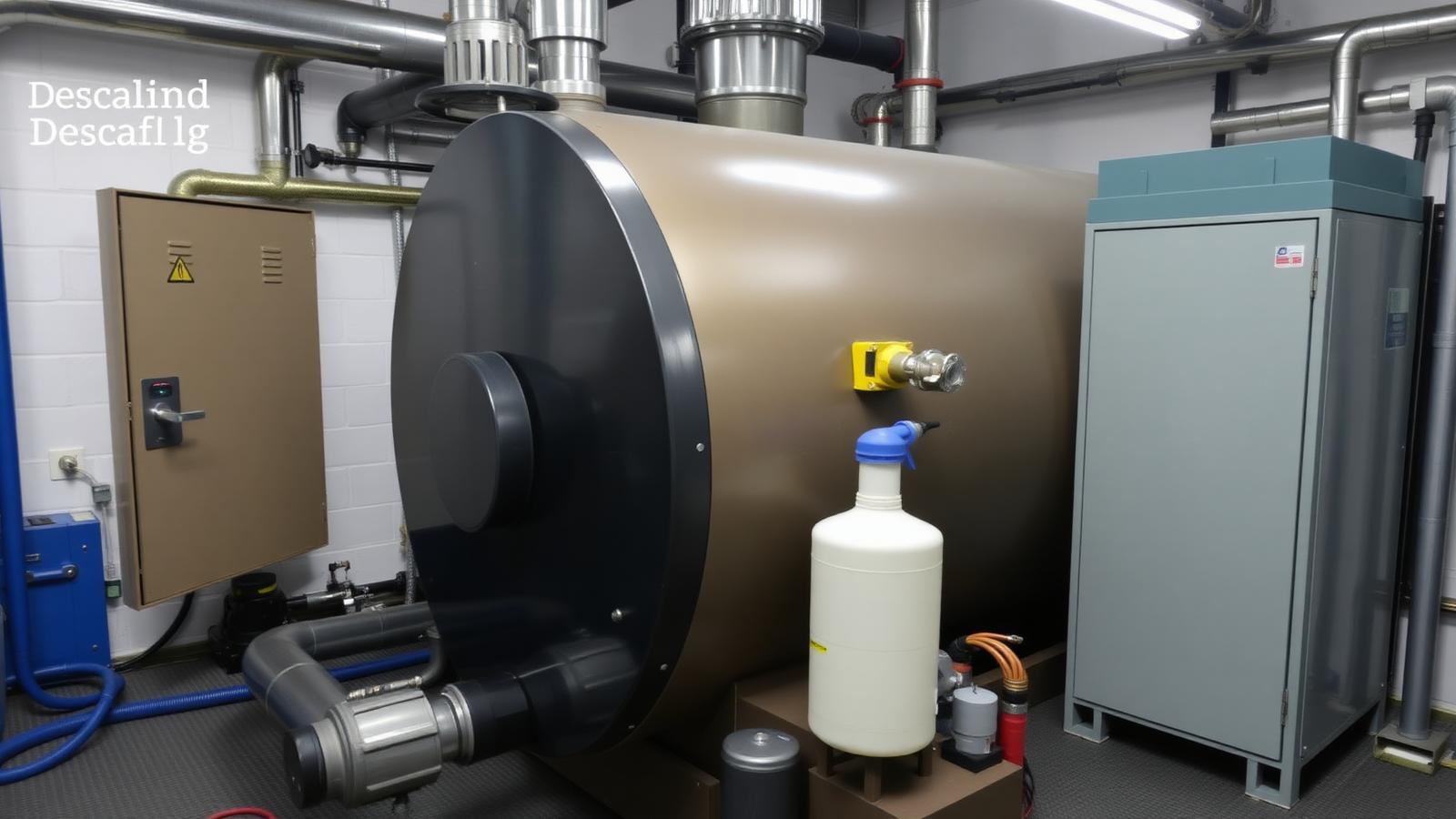
Understanding the Need for Acid Descaling Commercial Boiler Units
In the UK commercial heating sector, the accumulation of limescale and mineral deposits within a boiler's heat exchanger is a primary cause of reduced thermal efficiency and premature component failure. When hard water is heated, calcium and magnesium salts precipitate out of solution, forming an insulating layer that forces the boiler to work harder to achieve the same output. This thermal stress can lead to 'hotspots' and eventual cracking of the exchanger. Conducting an acid descaling commercial boiler procedure is often the only way to restore the system to its original design parameters once heavy scaling has occurred, particularly in regions with high water hardness.
From a commercial perspective, even a 1mm layer of scale can reduce heat transfer efficiency by over 7%, leading to a significant spike in annual fuel costs for large-scale developments or industrial facilities. Facilities managers must recognize the physical symptoms of scaling, such as increased operational noise (kettling) and high flue gas temperatures, which indicate that heat is not being transferred effectively to the primary water circuit. While preventative water treatment is the preferred strategy under BSRIA BG50 guidelines, reactive descaling remains a vital service tool when system chemistry has been neglected or when makeup water rates have been excessively high.
The decision to undertake an acid descent should not be taken lightly, as the chemicals involved are corrosive by design to dissolve the mineral bonds. It is essential to conduct a thorough site survey and system audit before introducing any acidic descaling agents into a commercial circuit. UKGP Industrial provides the necessary plant-room components to support these maintenance cycles, ensuring that your system is robust enough to handle high-pressure flushing and chemical cleaning. By following a structured approach, engineers can safely remove deposits without compromising the structural integrity of the copper, steel, or stainless steel components within the boiler assembly.
- Identification of scale-related efficiency drops using flue gas analysis.
- The impact of hard water mineral precipitation on heat exchanger longevity.
- Adherence to CIBSE guidelines for reactive boiler maintenance.
- Mitigating the risk of thermal shock and localized overheating.
Pre-Cleaning Assessment and Chemical Selection
Before commencing the acid descaling commercial boiler process, it is vital to identify the specific metallurgy of the system. Mixing the wrong chemical with certain metals can be catastrophic; for example, hydrochloric acid should never be used on stainless steel heat exchangers due to the risk of stress corrosion cracking. Instead, organic acids or specially inhibited phosphoric acid blends are often preferred for modern UK boiler plant. Assessing the age of the boiler is also critical, as older cast iron units may be held together by the scale itself, and aggressive cleaning could result in immediate leaks after the scale is removed.
BSRIA BG29 and BG50 highlight the importance of water testing before any chemical intervention. A full laboratory analysis of the system water and a physical sample of the scale can determine the most effective solvent and the required concentration. This phase also involves checking the integrity of all valves, seals, and expansion bellows to ensure they can withstand the cleaning pressures. In many cases, it is advisable to isolate the boiler from the wider distribution network to prevent liberated debris from migrating into sensitive terminal units or control valves elsewhere in the building’s infrastructure.
Consulting with a specialist chemical provider is recommended to ensure that the chosen descaling agent includes copper inhibitors and foaming agents to manage the release of carbon dioxide gas during the reaction. Safety data sheets must be reviewed, and full PPE must be deployed, including acid-resistant gloves and face shields. This preparation phase is the foundation of a safe procedure, ensuring that the chemical reaction is controlled and that the waste products can be neutralized effectively before disposal into the foul sewer in accordance with local UK water authority regulations.
- Compatibility checks between descaling chemicals and heat exchanger metals.
- Utilization of inhibited acids to protect base metals during cleaning.
- Site-specific risk assessments for chemical handling in confined plant rooms.
- Neutralization protocols for spent acid disposal (pH balancing).
Step-by-Step Acid Descaling Procedure
The actual process of acid descaling commercial boiler systems begins with a full system isolate and drain-down of the boiler unit itself. A temporary circulation loop is typically established using a high-flow descaling pump, which allows the chemical to be circulated in a closed circuit through the heat exchanger. This method ensures that the chemical remains at the correct concentration and allows for the monitoring of the reaction. As the acid reacts with the calcium carbonate, it will produce CO2 gas, which must be safely vented. Monitoring the pH of the solution throughout the process is essential; a rising pH indicates that the acid is being 'spent' as it dissolves the scale.
Once the pH stabilizes and the effervescence stops, it suggests that the scale has been successfully dissolved or that the acid has reached its capacity. At this stage, it is common practice to reverse the flow of the circulation pump to help dislodge any loosened but undissolved particles. Thoroughness is key here; incomplete descaling can leave jagged surfaces that actually accelerate the formation of new scale once the boiler is returned to service. Engineers should continue the circulation until the solution remains clear and the pH remains consistently acidic for a set period, verifying that all accessible mineral deposits have been neutralized.
After the chemical circulation is complete, the boiler must be thoroughly flushed with clean water to remove all traces of the acid and any residual sludge. A neutralization agent is often added during the final flush to ensure that the internal surfaces are returned to a passive, non-acidic state (typically a pH between 7 and 8.5). This prevent 'flash rusting' of steel components which can occur if the metal is left in a reactive state. Finally, the boiler is refilled with treated water including a high-quality corrosion inhibitor as per BS 8552 standards, ready for recommissioning and performance testing under load.
- Establishment of a closed-loop circulation for controlled chemical application.
- Continuous monitoring of pH levels and gas evolution during the reaction.
- Reversed-flow flushing to clear physical debris from narrow waterways.
- Final neutralization and passivation of internal metal surfaces.
Maintaining Efficiency Post-Descale with Side Stream Filtration
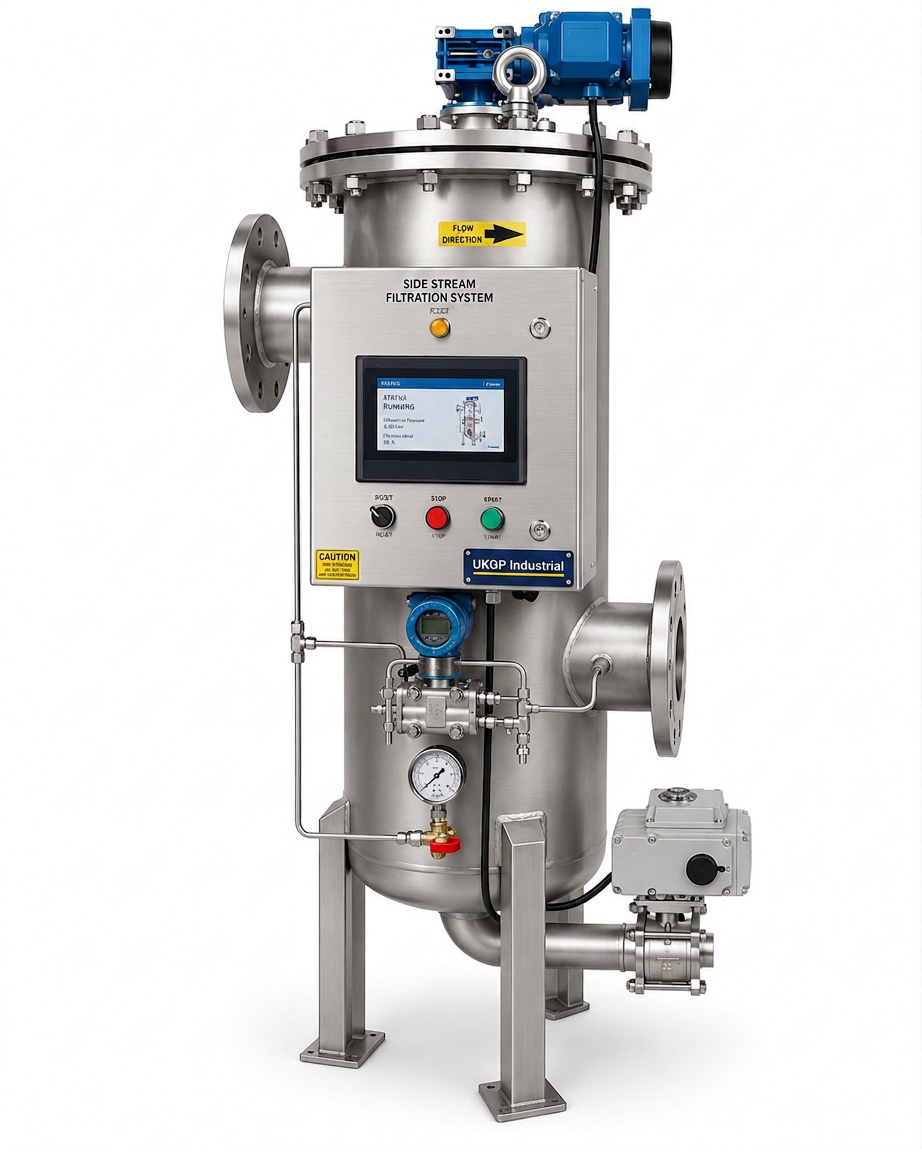
While acid descaling restores efficiency, it is a reactive and potentially damaging process if repeated too frequently. To prevent the rapid recurrence of scale and the buildup of magnetite—which often follows a major chemical clean—UKGP Industrial recommends the installation of a high-performance side stream filtration skid. In accordance with BSRIA BG50, maintaining low suspended solids is critical for system health. Our side stream filtration units, available from £6,800+VAT, are designed to continuously remove particulates down to 5 microns, ensuring that even if minor scaling occurs, the debris is captured before it can settle and bake onto heat transfer surfaces.
Installing a side stream filtration unit is a proactive investment that often pays for itself by extending the intervals between required descales and reducing the chemical load on the system. For a commercial boiler plant, a DN50 to DN100 unit is typically specified depending on the total system volume. These skids are made to order in the UK with a 6-8 week lead time and come with a comprehensive 2-year warranty, giving M&E contractors and FMs peace of mind. By integrating filtration, you ensure that the water quality remains within the strict parameters required by modern high-efficiency boiler manufacturers, protecting the factory warranty of the primary plant.
The synergy between a clean heat exchanger and effective filtration cannot be overstated. When a system is properly filtered, the chemical inhibitors added after an acid descaling commercial boiler procedure can work more effectively, as they are not being wasted on suspended sludge. For new builds or plant room refurbishments, specifying a side stream filtration skid is now considered best practice across the UK building services industry. Contact UKGP Industrial today for a technical quote on a filtration solution tailored to your specific plant room requirements, ensuring your newly descaled boiler remains at peak performance for its full design life.
- Continuous removal of magnetite and scale debris to 5 microns.
- Compliance with BSRIA BG50 for closed-loop water quality management.
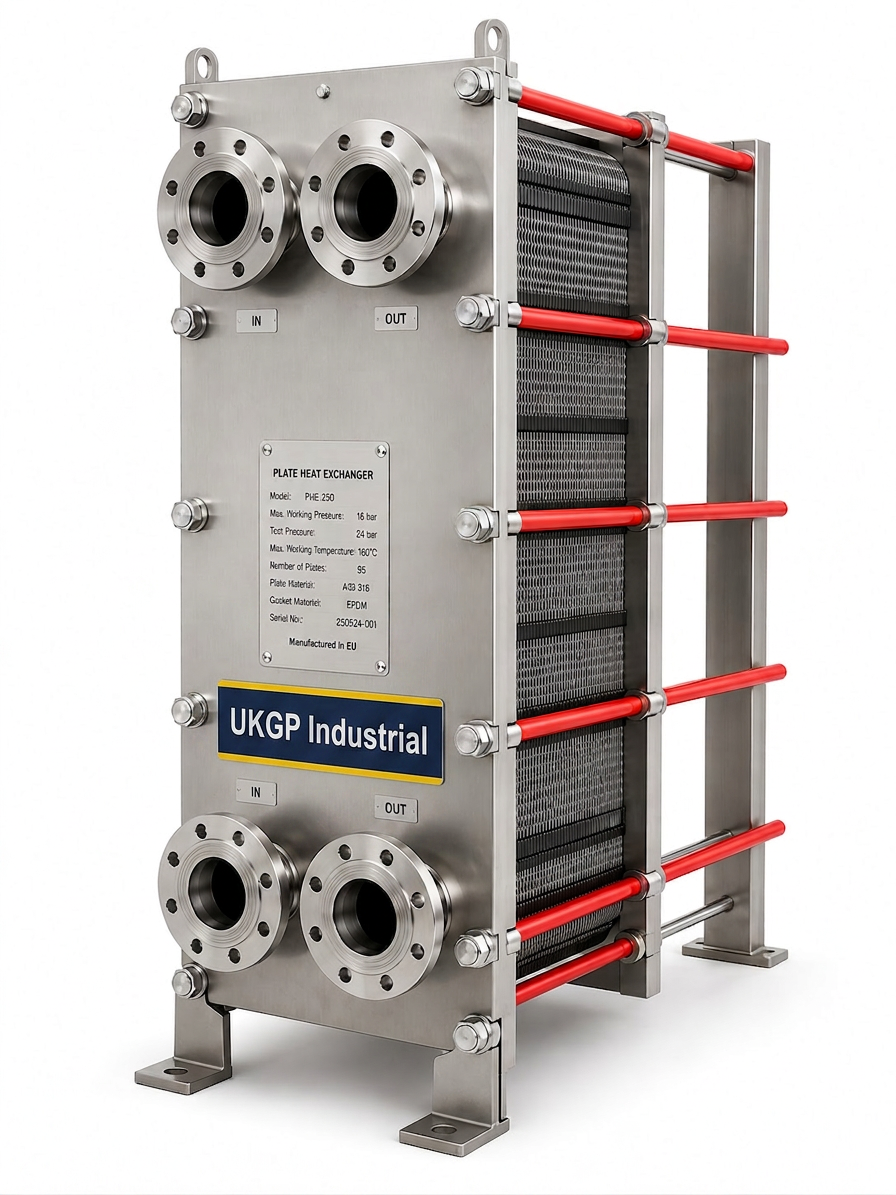
- Cost-effective protection for boilers and plate heat exchangers.
- Available in DN50-DN100 sizes with a 2-year manufacturer warranty.
The Role of Deaeration and Dirt Separation
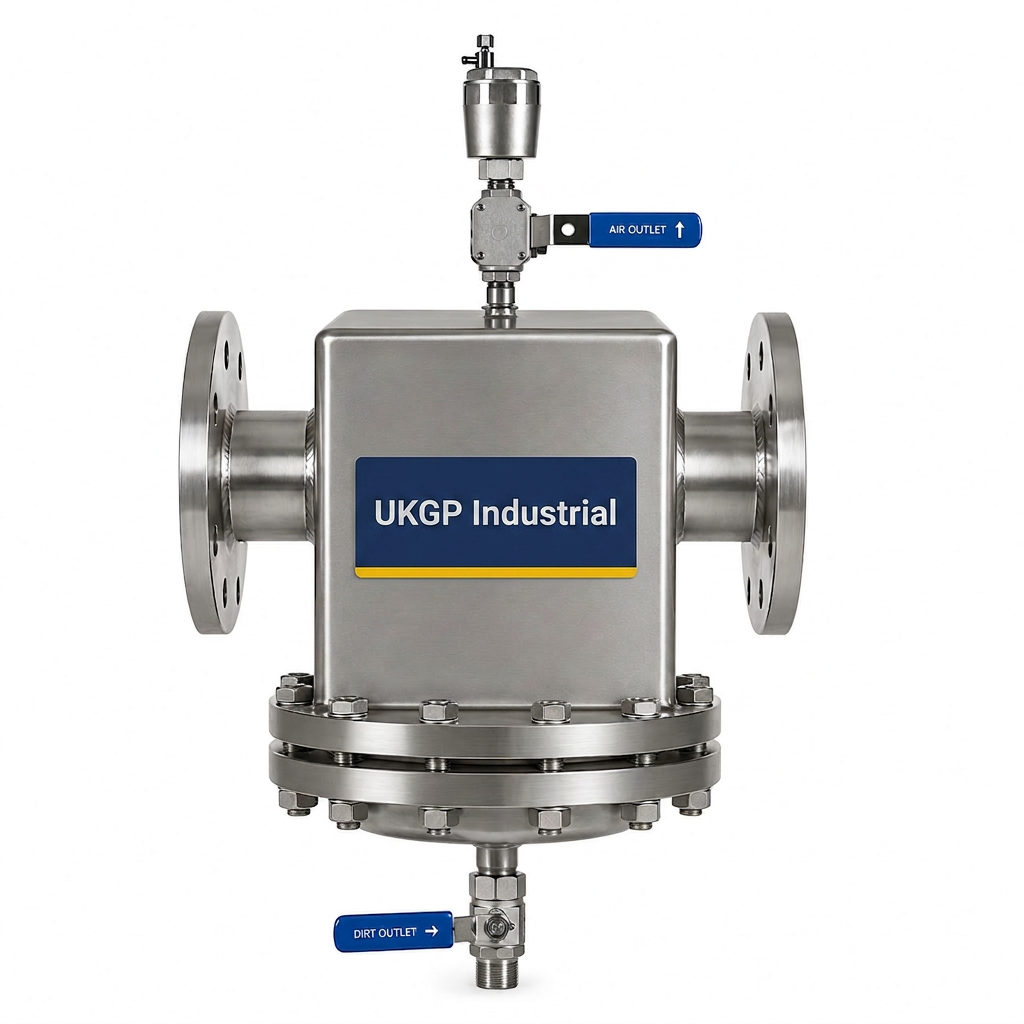
Oxygen is the primary driver of corrosion in commercial heating systems, and where there is corrosion, there is usually a buildup of iron oxide (magnetite) which mimics the effects of scale. Following an acid descaling commercial boiler procedure, it is vital to ensure that the system is properly deaerated to prevent rapid oxidation of the freshly cleaned metal. Micro-bubble air and dirt separators should be installed on the flow and return headers to strip dissolved oxygen from the water circuit. When oxygen levels are high, even the best chemical inhibitors can struggle to maintain a protective layer on the internal surfaces of the boiler.
Incorporating a high-quality air and dirt separator alongside your boiler helps to maintain the heat transfer coefficients achieved during the descaling process. These units use a coalescing medium to slow down the water flow, allowing air bubbles to rise and be vented, while heavier dirt particles settle to the bottom for manual purging. This mechanical separation complements the chemical cleaning and side stream filtration, creating a multi-layered defense strategy for the plant room. In the UK, where many systems are retrofitted into older pipework, the inclusion of these separators is a non-negotiable step for any reputable M&E contractor.
For engineers and procurement leads, managing the long-term O&M costs means looking beyond the immediate descaling fix. By ensuring that the system is free from trapped air and circulating debris, you reduce the risk of localized corrosion cells that lead to pinhole leaks in heat exchangers. Furthermore, removing air reduces the noise within the system and improves the accuracy of control valves and sensors. At UKGP Industrial, we supply robust separation solutions designed to withstand the rigours of commercial heating and chilled water environments, ensuring that your acid descaling efforts provide lasting benefits rather than a temporary reprieve.
- Prevention of oxygen-induced corrosion post-chemical cleaning.
- Mechanical removal of micro-bubbles and heavy circulating particles.
- Protection of sensitive control valves and heat exchanger surfaces.
- Reduction in system noise and improvement in heat transfer stability.
Commercial Implications and Compliance Standards
Operating a commercial boiler system in the UK without a robust water treatment and maintenance strategy is a significant commercial risk. Failure to perform acid descaling commercial boiler maintenance when required can lead to catastrophic unit failure, resulting in building downtime and emergency replacement costs that far exceed the price of preventative care. Furthermore, insurance providers and manufacturers may void warranties if BSRIA BG50 and BS 8552 guidelines are not followed. Documenting every chemical intervention and cleaning cycle is required to prove 'due diligence' in the event of a system failure or health and safety audit.
The cost of a professional descaling service for a large commercial boiler can range from a few thousand pounds to tens of thousands depending on the system complexity. When you factor in the UKGP Industrial side stream filtration skid starting from £6,800+VAT, the total cost of a system 'reset' is modest compared to the £50,000+ price tag of a new high-output boiler. Procurement leads should view these expenditures as CAPEX protection. Our equipment, manufactured in Surrey, is built to assist in this exact lifecycle management, offering the durability needed to keep UK schools, hospitals, and offices heated efficiently year-round.
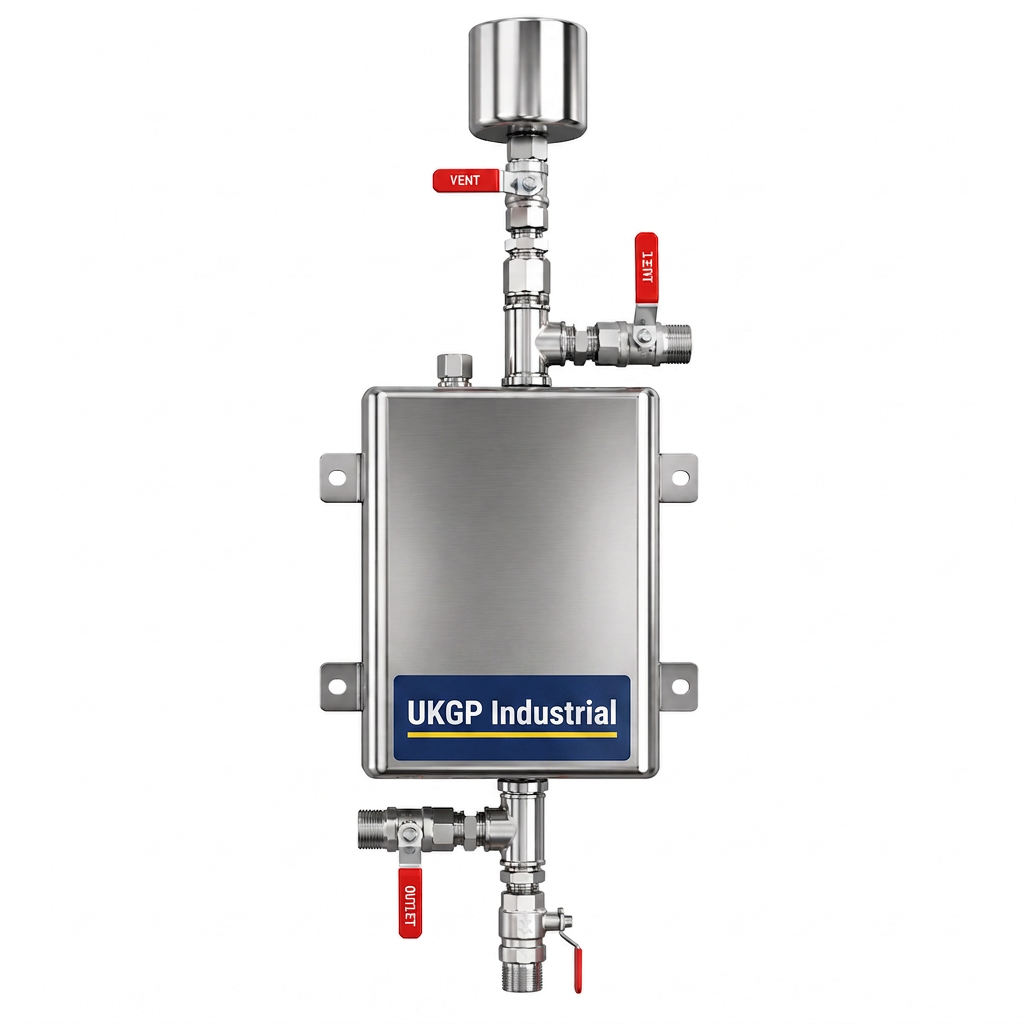
In conclusion, while the acid descaling commercial boiler procedure is an intensive technical task, it is a necessary part of the facility manager's toolkit. By combining expert chemical cleaning with the installation of high-quality UKGP Industrial components—such as our made-to-order filtration skids and dosing pots—you create a resilient heating system. Our 2-year warranty and commitment to 6-8 week lead times ensure that your maintenance schedule remains on track. Ensure your plant room meets the highest standards of the UK building services industry by integrating superior filtration and separation technology alongside your rigorous boiler maintenance regimes.
- Mitigation of emergency capital expenditure through lifecycle planning.
- Compliance with UK insurance and manufacturer warranty requirements.
- Adherence to BS 8552 for monitoring water quality in buildings.
- Enhanced ROI on plant room assets through improved thermal efficiency.
Frequently asked questions
How often should I perform an acid descaling commercial boiler clean?
- It should be a reactive measure based on performance data. If flue gas temperatures rise or heat transfer drops despite correct water chemistry, an inspection is needed. Ideally, with proper water treatment and a UKGP side stream filtration skid, descaling should only be required every 5-10 years.
Is it safe to descale a stainless steel heat exchanger?
- Yes, but you must never use hydrochloric acid as it causes stress corrosion. Specially formulated organic or inhibited acids must be used. Always verify the boiler manufacturer's approved chemical list before starting the procedure.
What are the lead times for UKGP Industrial support equipment?
- Our side stream filtration skids and plate heat exchangers are made to order in the UK, typically with a 6-8 week lead time. This allows us to ensure the highest quality standards and provide a full 2-year warranty.
Do I need a dosing pot for the descaling process?
- While descaling usually involves an external pump, a UKGP dosing pot is essential for the ongoing addition of inhibitors and pH buffers once the system is returned to service, ensuring the scale does not return quickly.
Which BSRIA standards apply to boiler cleaning?
- BSRIA BG29/2020 covers the pre-commission cleaning of new systems, while BG50/2021 provides the framework for water treatment and maintenance in older, existing systems, including chemical cleaning protocols.