The Mechanics of 2-Wire Loop-Powered Transmitters
The 2-wire pH transmitter is the standard for modern industrial water treatment. It operates on a 'current loop' principle, typically 4-20mA, where the device acts as a variable resistor. The same pair of wires provides the 24V DC power to the electronics and carries the analogue signal back to the controller. This architecture is highly efficient for plant rooms where sensor locations may be distant from the main control panel, as it eliminates the need for localised 230V AC or 24V DC power drops.
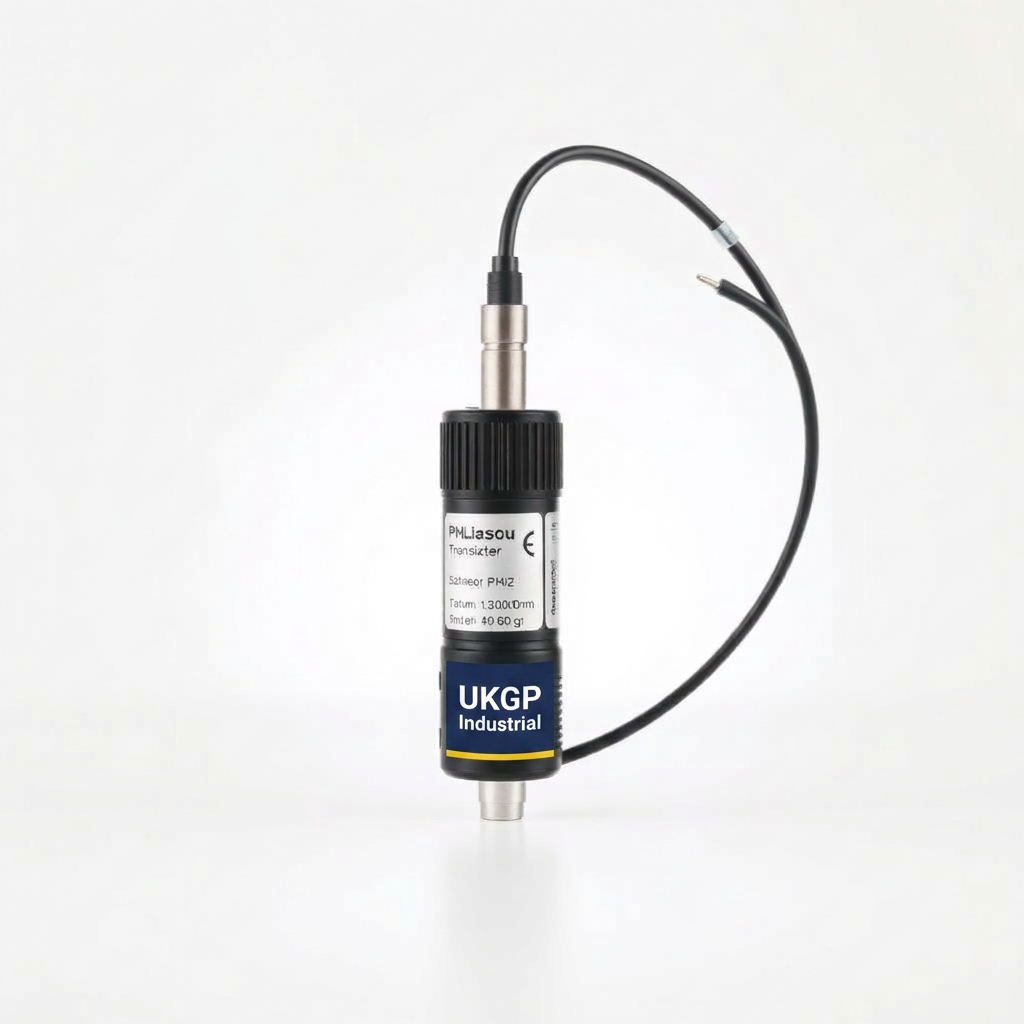
Key to the success of 2-wire systems is the integration of smart electronics directly at the sensor head. Modern British standards for plant room maintenance, including BSRIA BG50, emphasise the need for reliable monitoring to prevent corrosion. By using M12 quick-connect interfaces, the sensitive high-impedance signal from the pH electrode is converted to a robust 4-20mA signal immediately, preventing the signal degradation commonly seen with long coaxial cable runs to remote transmitters.
- No separate mains power required at the sensor location.
- Inherent immunity to ground loops due to isolated loop power.
- Reduced cabling costs (single shielded twisted pair).
- Suitability for intrinsically safe (IS) zones.
4-Wire Transmitters: Power and Control at the Point of Use
4-wire pH transmitters utilise two wires for power (typically 230V AC or 24V DC) and two separate wires for the 4-20mA signal output. This configuration is often chosen when the transmitter must perform more than just signal transmission. In complex chemical process applications or standalone wastewater stations, a 4-wire unit may be required to power a large local LCD display or to trigger local mechanical relays for acid/base dosing pumps without relying on a central PLC.
However, 4-wire systems introduce complexities in UK industrial environments. The requirement for a local power source increases installation time and cost, particularly if RCD protection and local isolation are required by BS 7671 IET Wiring Regulations. Furthermore, engineers must be cautious of ground loops; if the power ground and signal ground are not galvanically isolated within the transmitter, small voltage potentials between the sensor location and the PLC can cause significant measurement drift or 'ghosting' in the pH readings.
- High power availability for integrated displays and backlit screens.
- Ability to drive multiple mechanical relays for local pump control.
- Optional integration with high-draw digital communication cards.
- Separation of power and signal circuits.
Selecting the Right Transmitter for Water Treatment
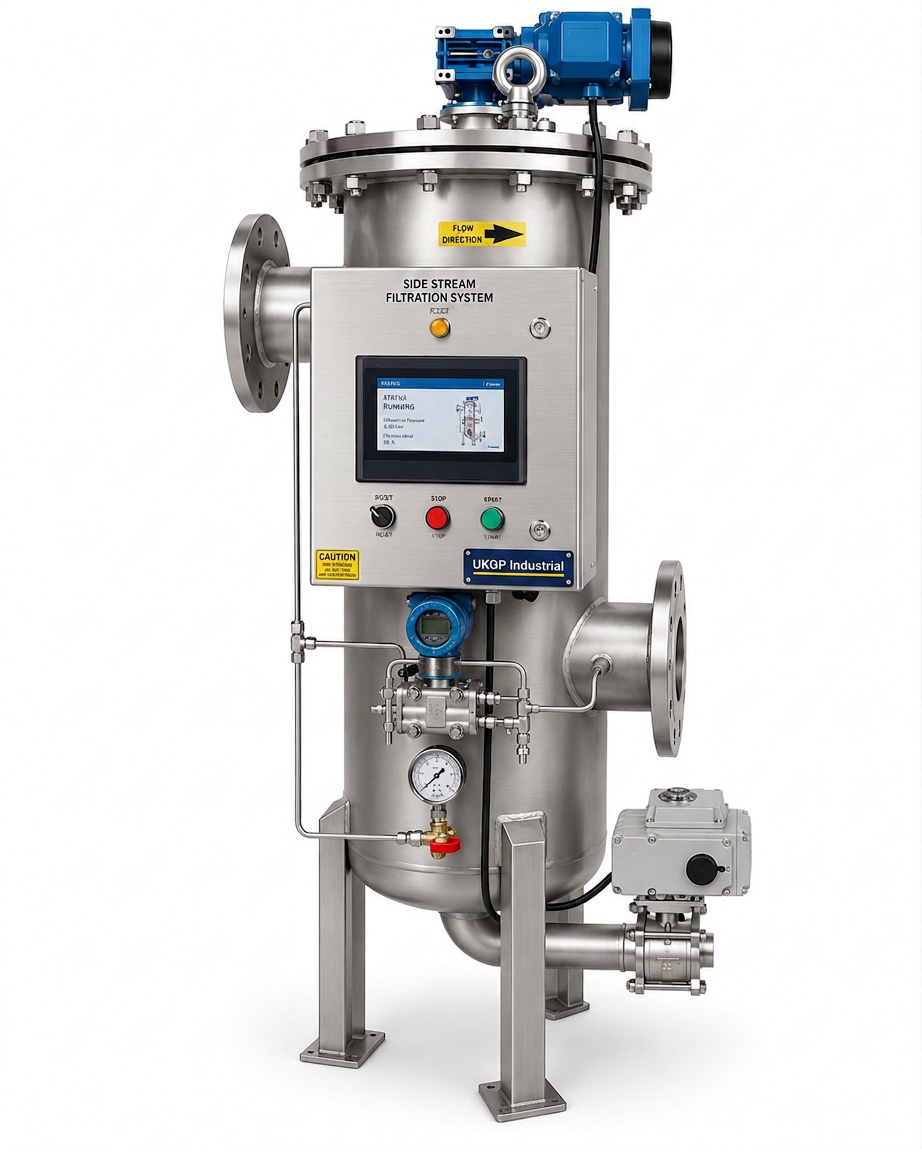
For the majority of UK building services applications—such as cooling tower blowdown control or side-stream filtration monitoring—the 2-wire transmitter is the superior choice. The primary driver is the reduction in 'noise' and electrical interference. pH electrodes produce a millivolt signal with extremely high impedance; if this signal is carried over long distances via traditional coax before reaching a 4-wire transmitter, it is highly susceptible to EMI from VFDs (Variable Frequency Drives) and heavy pump motors.
Utilising 2-wire transmitters with M12 quick-connect electronics allows the transmitter to be mounted directly on the sensor. This 'Smart Sensor' approach ensures that the signal leaving the probe assembly is already a low-impedance 4-20mA current loop, which is far more resilient to the electromagnetic environment of a modern plant room. This aligns with BSRIA BG29/21 guidelines regarding the precision of water chemistry monitoring during system pre-commissioning and ongoing management.
- Integrated M12 smart electronics for digital signal processing.
- Standardised 4-20mA output for seamless BMS integration.
- IP68 rated connectors for humid plant room environments.
- Automatic temperature compensation (ATC) functionality.
Signal Integrity and Ground Loop Mitigation
Ground loops are the primary cause of failure in industrial pH measurement. In a 4-wire setup, if the sensor is in contact with a grounded liquid (such as water in a steel pipe) and the transmitter is powered by a different ground source, a current can flow through the reference electrode. This leads to rapid polarisation of the sensor, resulting in inaccurate readings and premature sensor failure. 2-wire loop-powered transmitters are inherently less prone to this issue because the signal loop is floating relative to the local earth.
Designers should specify transmitters that include internal galvanic isolation. This is particularly important when pH monitoring is integrated into side-stream filtration skids or chemical dosing stations. When the transmitter is isolated, the electrochemical potential of the pH probe is protected from external electrical influence, ensuring that the 4-20mA signal accurately represents the hydrogen ion concentration without offset.
- Minimising cable cross-talk in dense cable trays.
- Ensuring proper shielding and grounding at the PLC end only.
- The role of galvanic isolation in preventing electrode fouling.
Total Cost of Ownership in Plant Room Environments
From a CAPEX perspective, 2-wire systems significantly reduce the amount of copper and conduit required. In a large-scale commercial development where pH monitoring is required across multiple chilled water and LTHW (Low Temperature Hot Water) circuits, the savings in labour and materials are substantial. A 2-wire transmitter requires only standard 2-core screened instrument cable, whereas a 4-wire unit requires 4-core cable or two separate cable runs, alongside more complex termination requirements.
OPEX is also improved through the use of M12 quick-connect electronics. In traditional 4-wire or non-integrated systems, replacing a pH probe often involves opening the transmitter housing and rewiring terminals, which exposes the internal electronics to the humid, chemical-laden atmosphere of the plant room. M12 connectors allow for a 'hot-swap' of the sensor head, ensuring that downtime is minimised and the IP rating of the system is never compromised. This is a critical factor for facilities managers tasked with maintaining system health under BG50 standards.
- Reduced wiring complexity for M&E contractors.
- Faster sensor replacement during 6-monthly calibration cycles.
- Lower risk of moisture ingress into sensor terminals.
Summary of Engineering Specifications
When drafting specifications for UK industrial applications, the default should be 2-wire loop-powered transmitters. They offer the highest reliability-to-cost ratio and are better suited to the digital-ready infrastructure of modern buildings. The integration of the transmitter directly into the sensor assembly via M12 connectors solves the historical problems of signal degradation and moisture ingress that have plagued pH monitoring in the past.
For engineers managing critical cooling systems or chemical dosing, the priority must be signal stability. The 2-wire 4-20mA architecture, when combined with industrial-grade smart electronics, provides the most robust solution for ensuring water chemistry remains within safe operating limits, thereby protecting high-value assets like chillers and heat exchangers from corrosion and scale.
- Specify 2-wire for remote monitoring via PLC/BMS.
- Specify 4-wire only if local relay control or high-power displays are mandatory.
- Always mandate M12 connectors for sensor-to-transmitter links.
Frequently asked questions
Why are 2-wire transmitters more common in water treatment?
- 2-wire transmitters are generally preferred for industrial water treatment because they reduce cable costs and eliminate the risk of ground loops by using a single shielded pair for both power and signal.
Can I connect a 4-wire pH transmitter to a standard PLC input?
- Yes, but it requires an isolated 4-20mA output. Many legacy 4-wire devices share a common ground between power and signal, which can introduce electrochemical interference into the pH measurement unless an isolator is used.
What is the benefit of M12 quick-connect electronics in pH sensing?
- The M12 connector provides an IP67/IP68 seal and ensures 'plug-and-play' connectivity. This eliminates wiring errors in the field, protects the sensitive high-impedance pH signal from moisture ingress, and allows for rapid sensor hot-swapping during maintenance.
What is the maximum cable distance for a 2-wire pH loop?
- Cable runs should be kept under 300 metres for 4-20mA signals to maintain accuracy. For distances exceeding this, or in environments with high EMI, digital protocols or local signal boosting via smart M12 transmitters should be employed.